Architecture, by its very nature, is meant to last. Yet in modern cities, buildings are often treated as disposable objects demolished once their style fades or their program shifts. But if you pause before calling in the wrecking ball, you will notice a truth that architects and urbanists across the globe are embracing: the greenest …
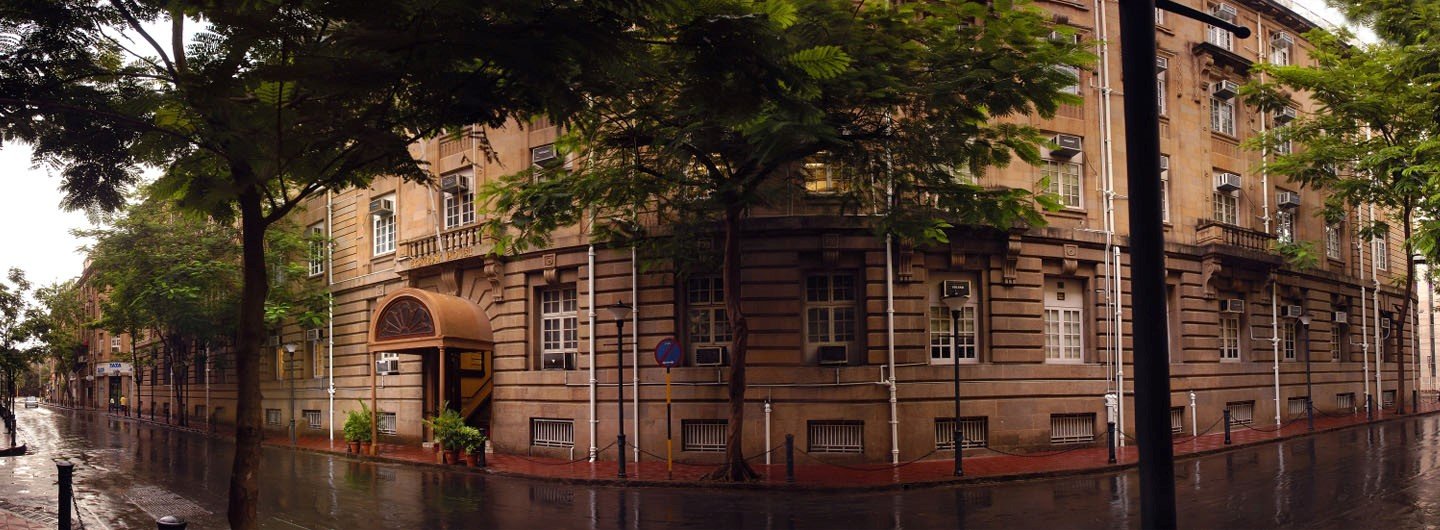
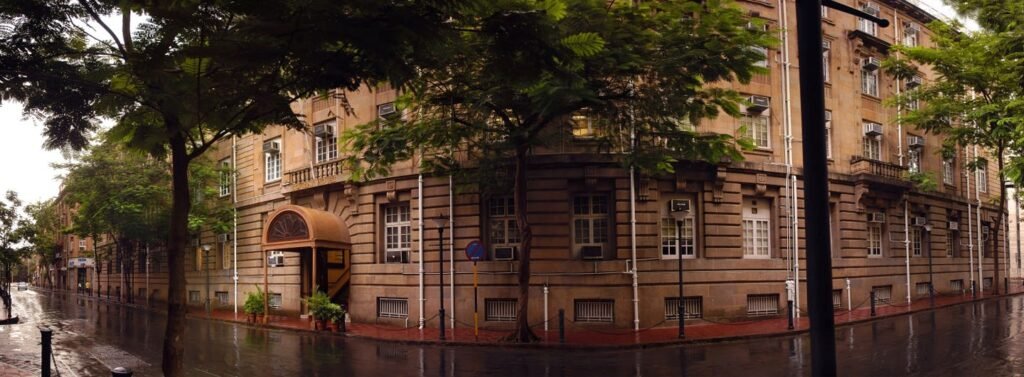
Table of Contents
- Why Demolition Is the Last Resort
- Adaptive Reuse as Chic Design
- India’s Context: Why Adaptive Reuse Matters Here
- Five Indian Examples of Adaptive Reuse
- 2. The Bombay House, Mumbai
- 3. David Sassoon Library & Reading Room, Mumbai
- 4. Café Zoé, Mumbai (Inside a 100-year-old mill)
- 5. Amrapali Museum, Jaipur
- Challenges in Adaptive Reuse
- Adaptive Reuse in Everyday Typologies
- The Chic Factor: Imperfection as Beauty
- The Future of Adaptive Reuse in India
- Conclusion: Pausing Before the Wrecking Ball
Architecture, by its very nature, is meant to last. Yet in modern cities, buildings are often treated as disposable objects demolished once their style fades or their program shifts. But if you pause before calling in the wrecking ball, you will notice a truth that architects and urbanists across the globe are embracing: the greenest building is the one that already exists.
Adaptive reuse revitalizing old structures for new purposes is not only practical sustainability but also the chicest form of design expression. Why? Because it takes what history has given us brick walls, timber beams, industrial sheds, colonial mansions and breathes new life into them without erasing their soul. In India, where heritage rubs shoulders with hypermodernity, adaptive reuse is not just a design strategy. It is an act of cultural continuity.
Why Demolition Is the Last Resort
Let us start with the uncomfortable truth: construction is resource-hungry. According to the World Green Building Council, the building and construction sector is responsible for nearly 40% of global carbon emissions. A massive chunk of that comes from embodied carbon the energy and emissions locked into the production of cement, steel, glass, and bricks. Every time we demolish and rebuild, we double down on this cycle.
Adaptive reuse interrupts that cycle. By reusing structural frames, façades, and even internal finishes, we conserve embodied energy. We reduce landfill waste, cut demand for virgin materials, and drastically lower carbon emissions. But beyond numbers, adaptive reuse also respects the layers of time embedded in a place. A reused building is never generic; it carries history, memory, and a texture that new construction struggles to replicate.
Adaptive Reuse as Chic Design
Now, why call it “chic”? Because adaptive reuse is a kind of architectural couture. It thrives on contrast: raw brick walls against sleek glass partitions, century-old timber floors under minimalist pendant lights, stone courtyards repurposed as coworking hubs. Instead of flattening history into uniform modernity, adaptive reuse celebrates imperfection, layering, and patina.
For designers, this is liberating. We’re not working with a blank slate but with a canvas already rich with texture. Adaptive reuse demands creativity: what to preserve, what to reveal, what to reinvent. And when it’s done well, the results are strikingly contemporary while remaining deeply rooted.
India’s Context: Why Adaptive Reuse Matters Here
India is a paradox when it comes to buildings. On one hand, our cities are exploding with glass-and-steel high-rises. On the other, they are anchored by centuries-old forts, havelis, mills, bungalows, and warehouses. In many cases, these “old” structures are seen as obstacles to development. But forward-looking architects and developers are proving otherwise they’re showing that old can be the new chic.

The Old Goa Institute of Management, Ribandar- Church to Campus
In India, adaptive reuse also has an additional dimension: affordability. Demolishing and rebuilding is not just environmentally costly, it’s financially inefficient. Reusing existing structures can lower construction costs, shorten timelines, and deliver unique spaces that stand out in a market saturated with sameness.
Five Indian Examples of Adaptive Reuse
1. The Imperial Hotel, New Delhi
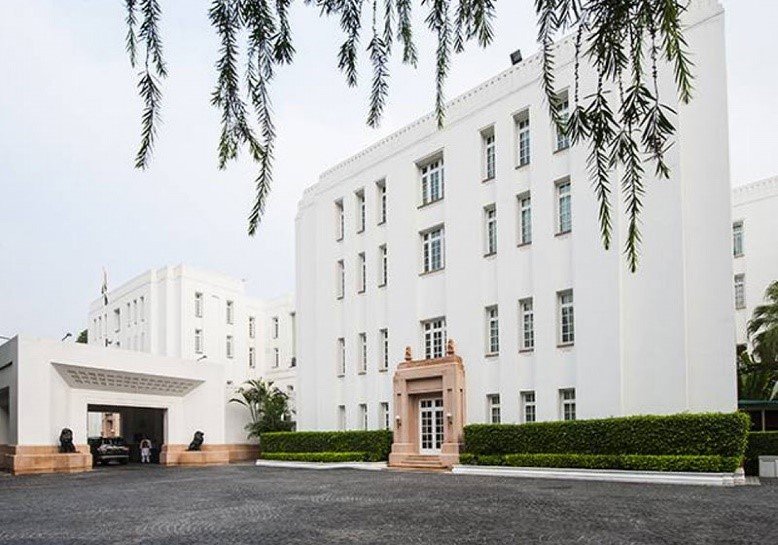
The Imperial Hotel, New Delhi
Originally built in the 1930s, The Imperial was once a colonial-era luxury hotel. Instead of being razed in the race for contemporary hospitality design, it has been meticulously restored and adapted to modern standards. Its interiors retain Art Deco detailing, colonial motifs, and vintage furniture, but are seamlessly integrated with 21st-century amenities. The result is a space that doesn’t just host guests it narrates Delhi’s layered history.
2. The Bombay House, Mumbai
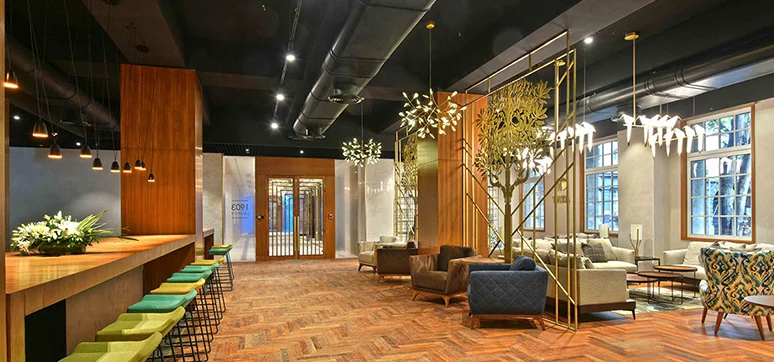
The Bombay House, Mumbai
Home to the Tata Group for nearly a century, Bombay House recently underwent an adaptive reuse transformation. While preserving its colonial façade and timber-frame character, the interiors were reimagined into modern offices with collaborative zones, technology integration, and sustainability upgrades. Instead of discarding a heritage landmark, Tata invested in making it future-ready sending a strong signal about continuity and responsibility.
3. David Sassoon Library & Reading Room, Mumbai
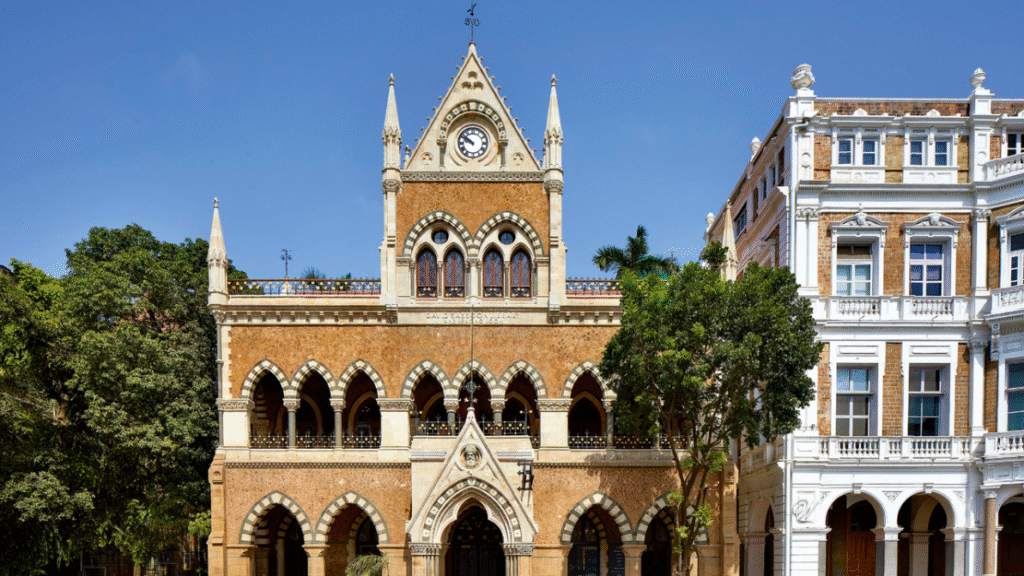
David Sassoon Library & Reading Room, Mumbai
One of the oldest libraries in the city, built in 1870, this Venetian Gothic gem has recently been restored and reprogrammed. Instead of letting it crumble, adaptive reuse efforts turned it into a cultural hub with coworking spaces, events, and reading programs while maintaining its stained-glass windows and basalt stone walls. It’s an example of how adaptive reuse is not just about form but about reinvigorating function.
4. Café Zoé, Mumbai (Inside a 100-year-old mill)
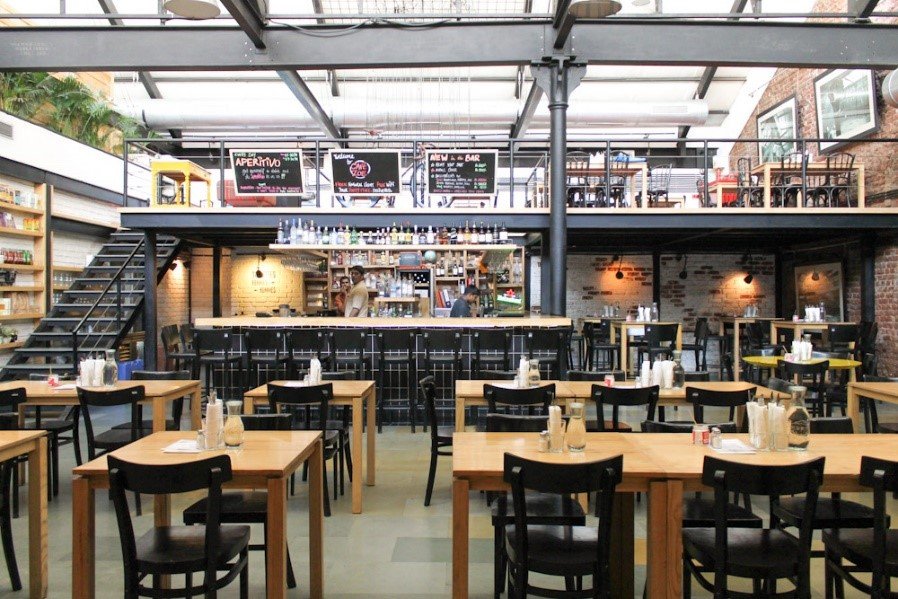
Café Zoé, Mumbai
Mumbai’s defunct textile mills have become a canvas for adaptive reuse. Café Zoé, once located in a former mill space, exemplified the chic industrial aesthetic: high ceilings, exposed trusses, brick walls, and raw concrete floors layered with contemporary furniture and lighting. This model has spread across Lower Parel, where abandoned mills are now home to luxury residences, offices, and cultural venues.
5. Amrapali Museum, Jaipur
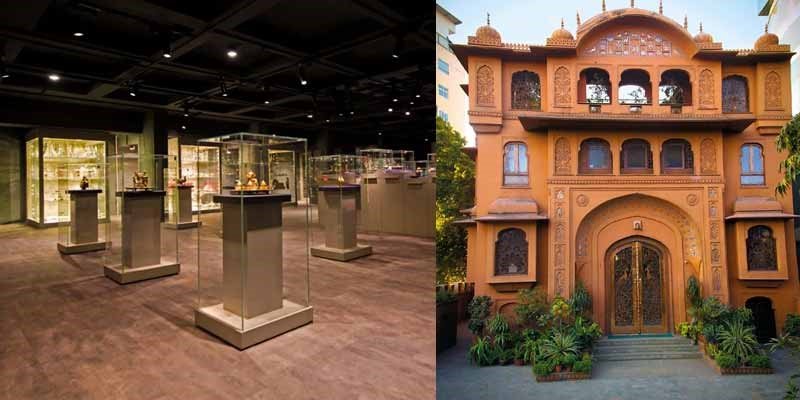
Amrapali Museum, Jaipur
Housed in a former haveli, the Amrapali Museum is a stunning adaptive reuse project that combines heritage architecture with contemporary display design. The haveli’s courtyards, jaalis, and frescoed walls were preserved, while the interiors were adapted to exhibit a dazzling collection of Indian jewelry. The project proves that adaptive reuse can keep heritage relevant by giving it new cultural value.
Challenges in Adaptive Reuse
Of course, adaptive reuse in India is not without its challenges. Many older buildings suffer from structural deterioration, poor documentation, and unclear ownership. Fire safety, accessibility, and service integration often need complete overhauls. Convincing clients can also be difficult new construction is still perceived as more prestigious and predictable.
But these challenges are also opportunities. Retrofitting services requires innovation. Working with deteriorated material demands craftsmanship. And navigating heritage conservation laws pushes architects to think creatively about what is essential and what can be modified. Adaptive reuse projects often end up being more meaningful collaborations between architects, engineers, historians, and artisans than conventional builds.
Adaptive Reuse in Everyday Typologies
In housing, adaptive reuse often appears as colonial bungalows transformed into boutique hotels or cafes. In workplaces, old warehouses and mills are reborn as coworking hubs. Educational institutions find themselves reimagining historic campuses with new digital layers. Even infrastructure like railway stations and post offices are being adapted into museums, cultural centers, or commercial spaces.
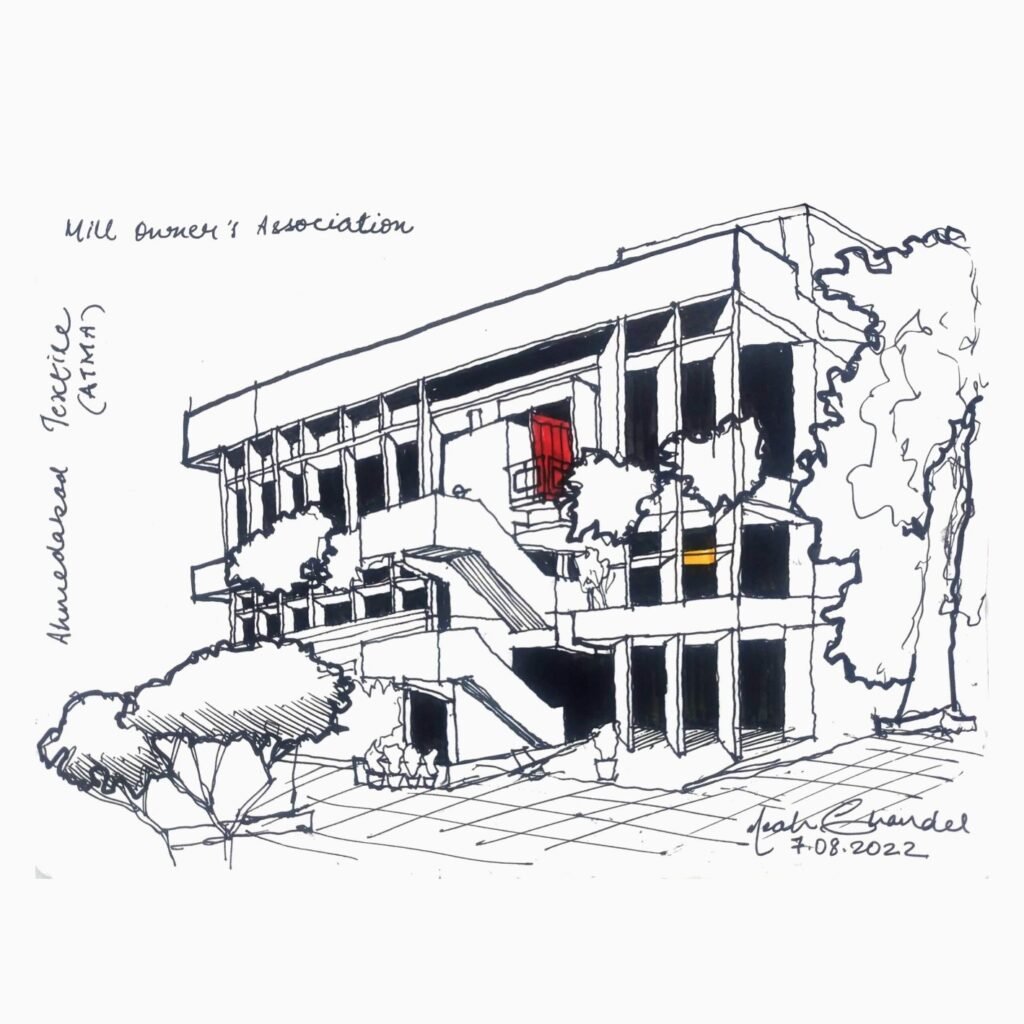
The Mill Owners’ Association Building, Ahmedabad- Le Corbusier
The diversity of India’s building stock means adaptive reuse can take many forms. What unites them is an ethos of respect for the existing. Rather than imposing an alien language, adaptive reuse listens to the building’s original story and continues it.
The Chic Factor: Imperfection as Beauty
If demolition is about erasing flaws, adaptive reuse is about reframing them as features. Exposed brick, weathered wood, fading frescoes these aren’t problems to hide but textures to celebrate. In a design culture often obsessed with sleek perfection, adaptive reuse offers a refreshing counterpoint: it’s stylish precisely because it’s layered, imperfect, and authentic.
Fashion has already embraced this ethos think vintage couture and upcycled collections. Adaptive reuse is the architectural equivalent. It proves that sustainability doesn’t mean compromise; it means sophistication.
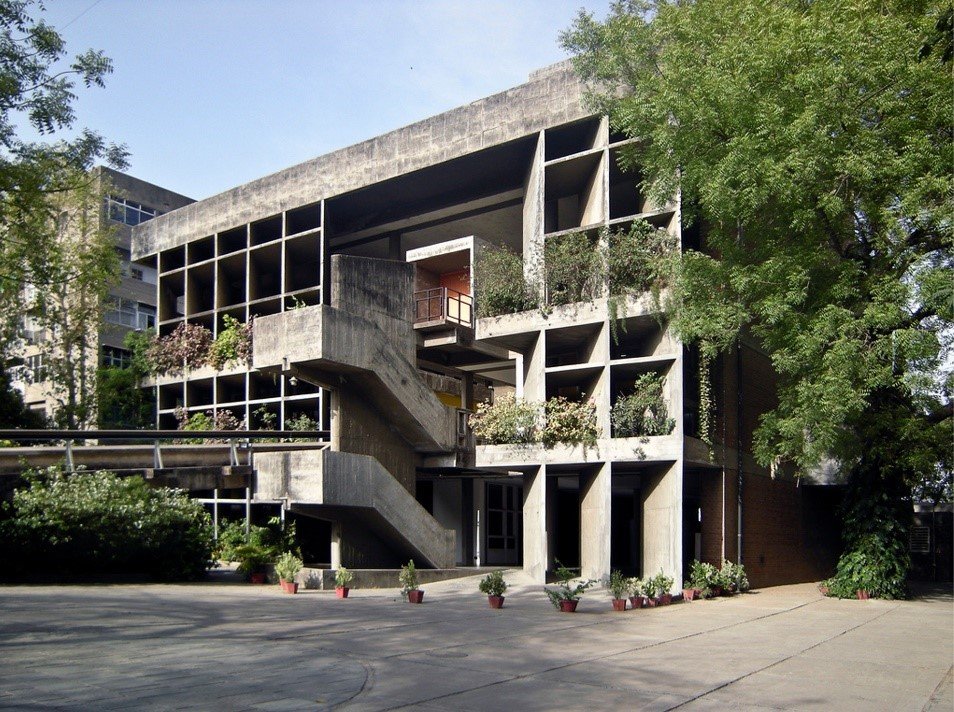
The Mill Owners’ Association Building, Ahmedabad- Le Corbusier
The Future of Adaptive Reuse in India
Looking ahead, adaptive reuse will only become more relevant. India’s cities are densifying, land is scarce, and heritage buildings are under pressure. Demolition-and-rebuild is not a sustainable long-term strategy. Architects and developers must shift focus to retrofit, repurpose, and renew.
Policy, too, is slowly catching up. Incentives for conserving heritage structures, FSI relaxations for retrofits, and rising consumer demand for unique, character-filled spaces are pushing adaptive reuse forward. The design community has a critical role to play not just in executing projects but in shifting mindsets from “old equals obsolete” to “old equals opportunity.”
Conclusion: Pausing Before the Wrecking Ball
Adaptive reuse is more than a design approach it’s an attitude. It asks us to slow down before demolishing, to see potential where others see decay, and to treat buildings not as disposable but as evolving. For architects, it is perhaps the most satisfying form of sustainability: instead of extracting new resources, we work with what already exists, layering the past into the future.
In India, adaptive reuse is not just chic it’s essential. Our heritage, our environment, and our cities depend on it. And perhaps the next time you walk past an old bungalow, warehouse, or haveli, you’ll see not a relic waiting for demolition, but a canvas waiting for reinvention.