Blog

Home·Blogs

Category: Blogs

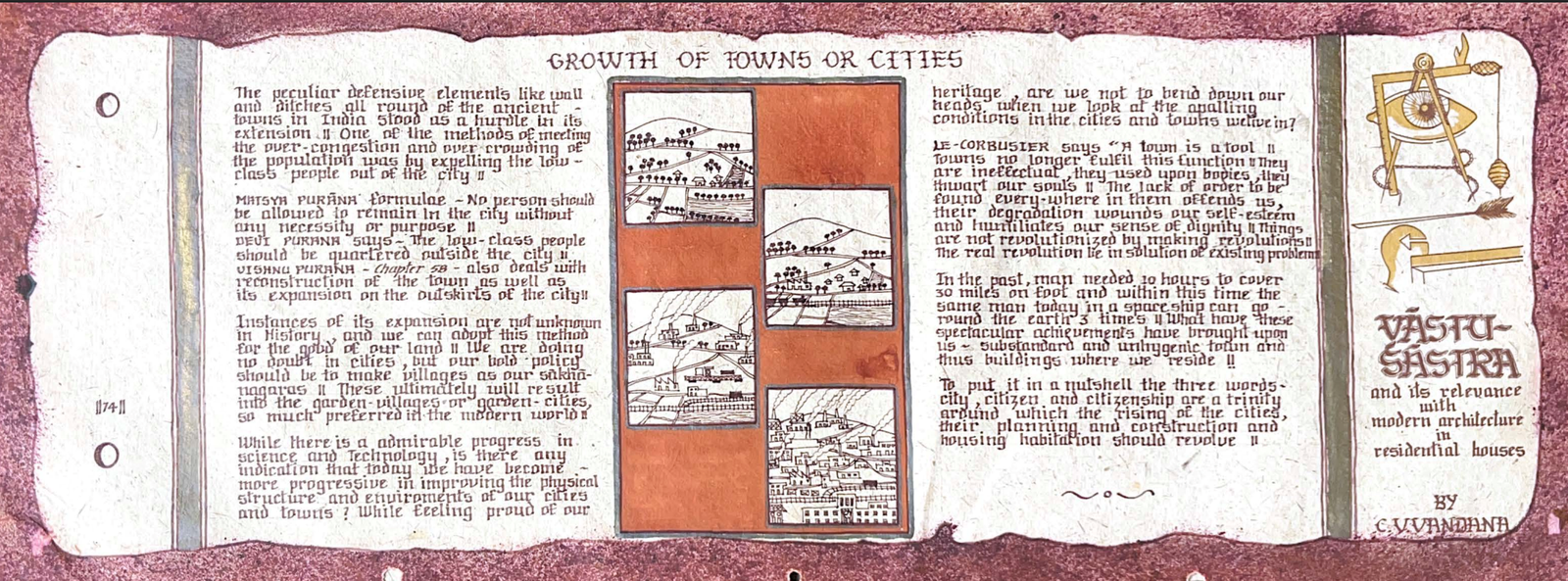
Town planning in Vastu Shastra reaches its highest level of sophistication in the concept of zoning the orderly distribution of residential, occupational, civic, and cultural spaces. Unlike modern zoning systems that often separate functions rigidly, Vastu-based zoning seeks harmonious coexistence, where every activity is placed according to its natural, social, and energetic suitability. The Town …
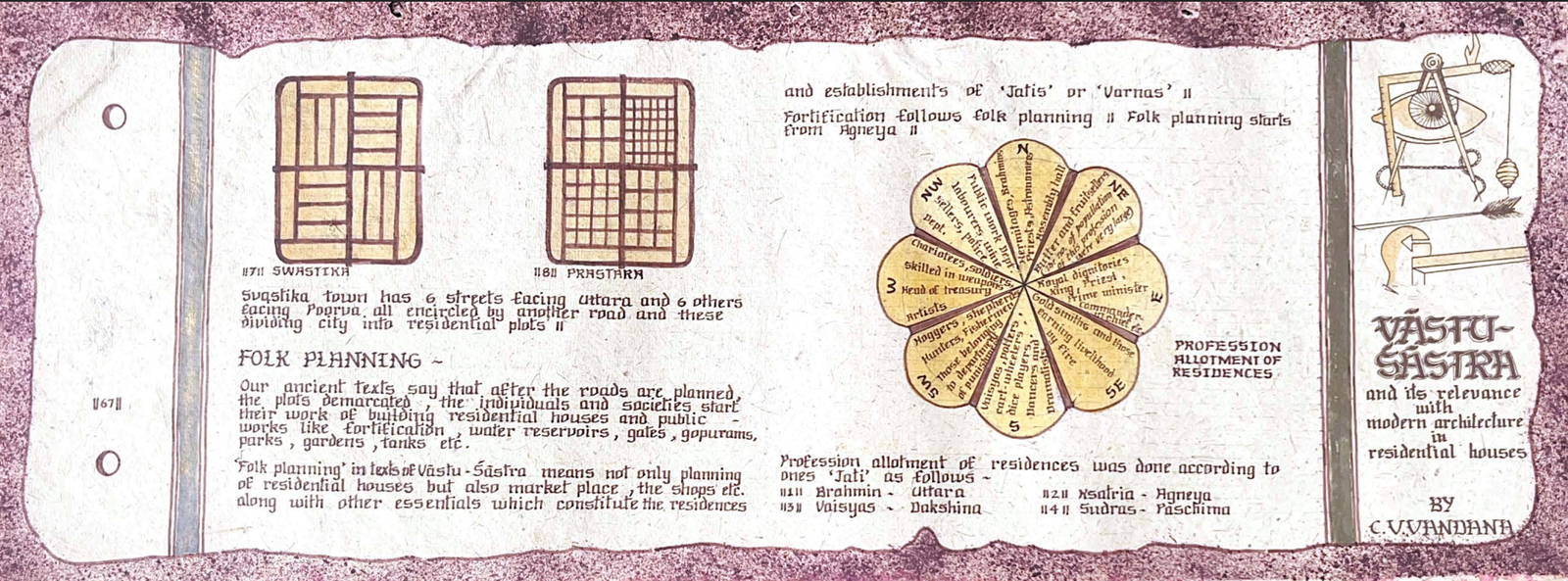
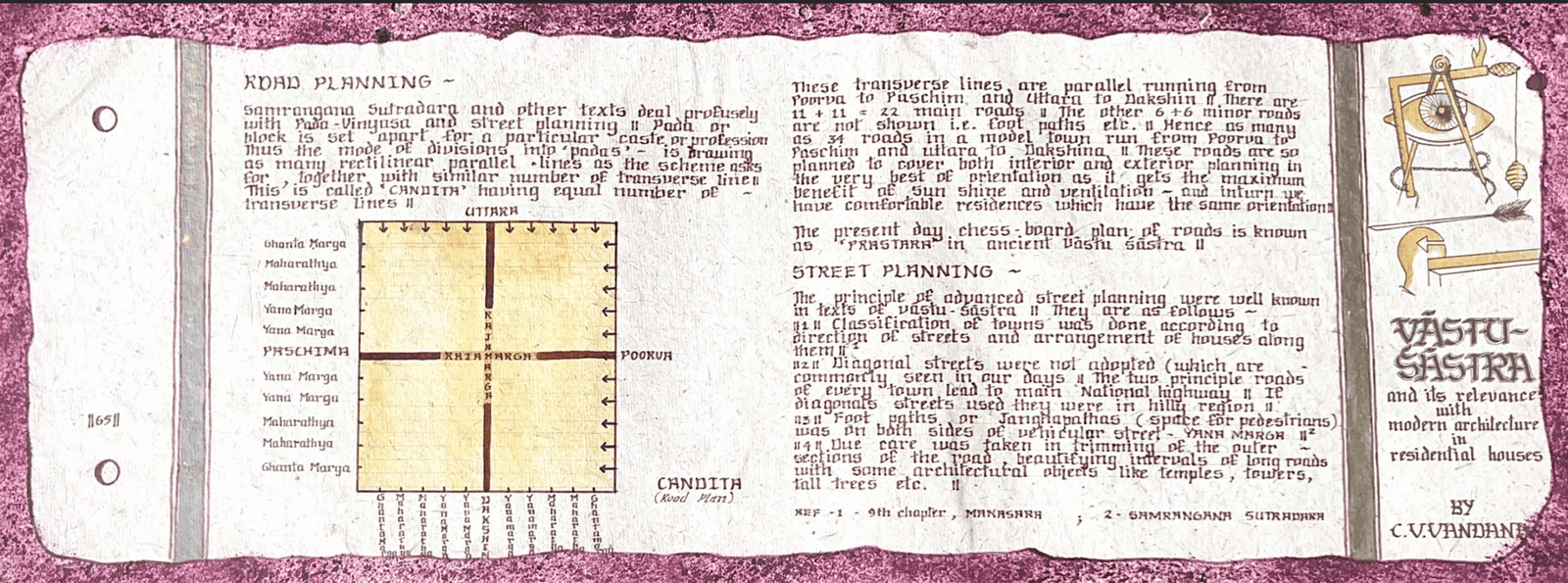
Town planning in Vastu Shastra is not merely a technical exercise of arranging streets and buildings; it is a profound synthesis of cosmology, nature, society, and human well-being. The ancient Indian approach to settlement planning views towns and cities as living organisms microcosms of the universe where every spatial decision influences physical comfort, social harmony, …

After establishing the foundational logic of residential planning, the document advances into a sequential approach to planning. This sequence is important because Vastu planning does not treat design as a random assembly of spaces. Instead, it follows a defined order that moves from the general to the specific. This structured progression ensures clarity, reduces conflict …

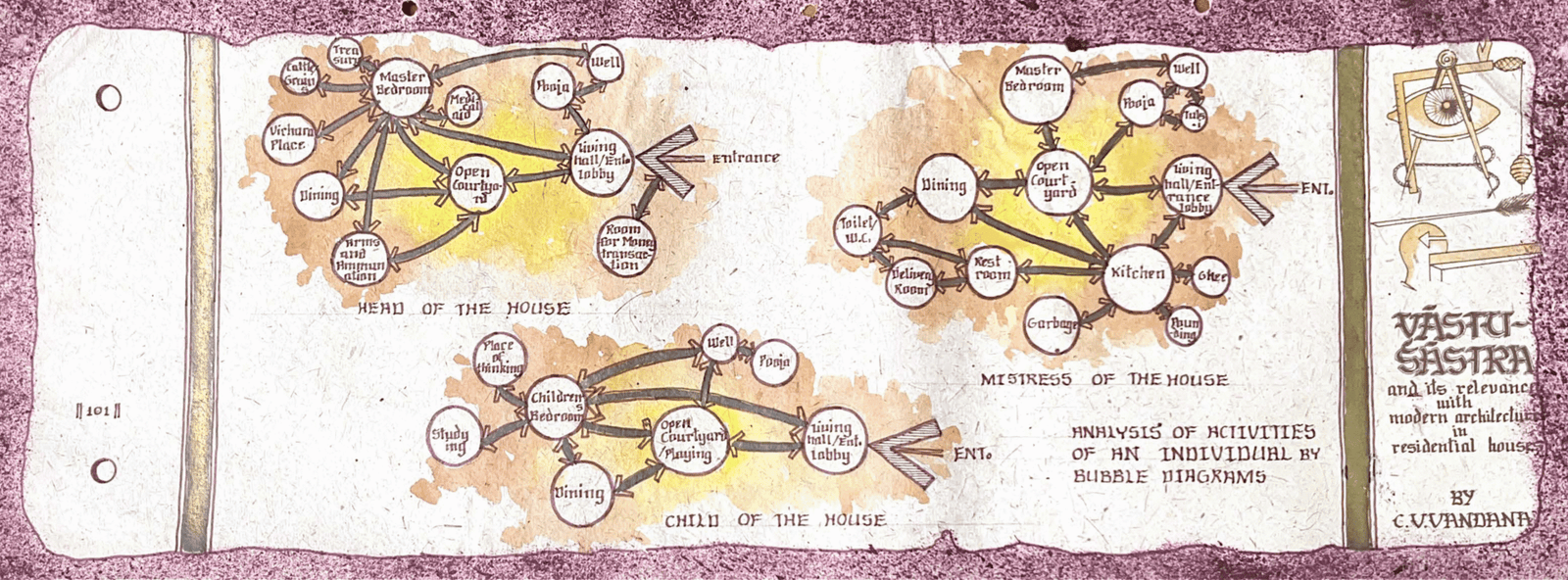
Planning is the stage where a house stops being an idea and becomes a structured system. In the Vastu tradition, planning is not treated as a drawing exercise alone. It is a method of organizing space so that daily life flows smoothly, resources are used intelligently, and the dwelling supports the occupants in practical and …

After the selection of materials and commencement of construction, the next critical aspect of house architecture is the structural layout. The layout determines how different components of the house relate to one another spatially and functionally. A well planned layout ensures convenience, comfort, and efficient circulation. The text emphasizes that structural arrangement is not random …

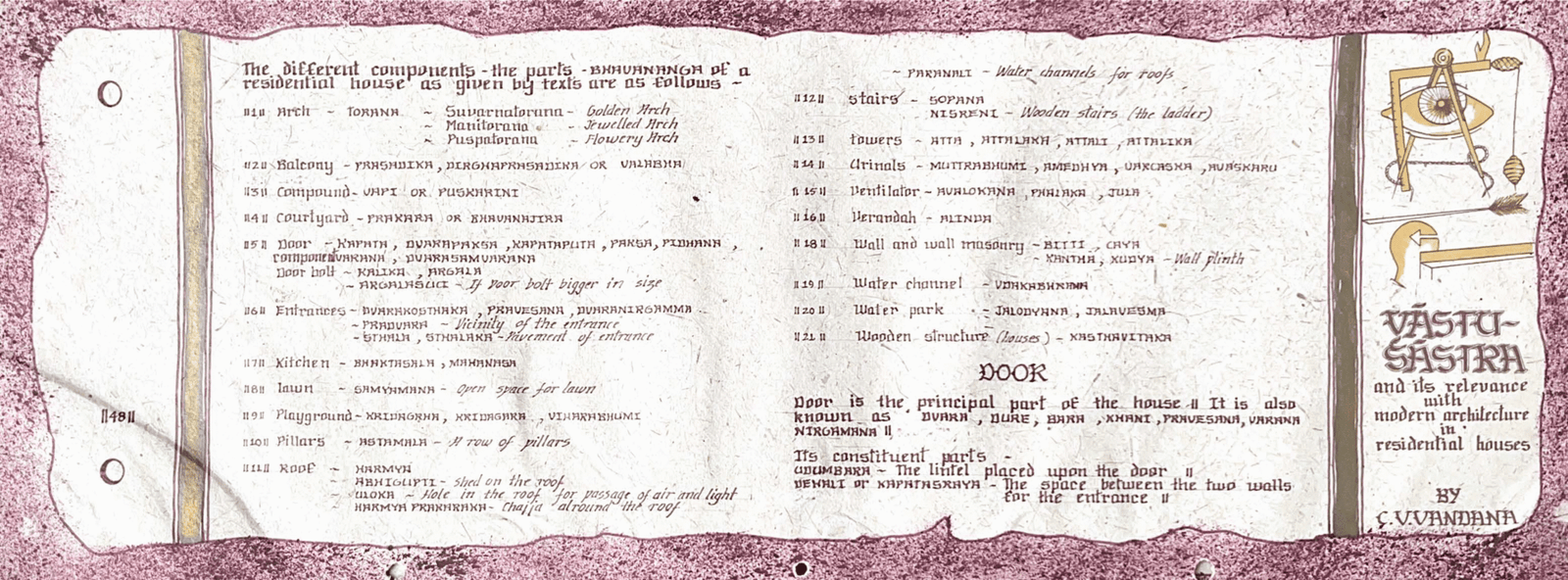
The study of house architecture advances from planning and measurement into the practical domain of construction. The components of a house represent the tangible elements that transform design into built reality. Before construction begins, traditional architectural practice emphasizes the importance of proper commencement. The beginning of building activity is considered a decisive stage because it …

After understanding the evolution and purpose of houses, the science of house architecture moves toward regulation and order through measurement and proportion. Measurements form the structural and spatial foundation of any building. Without standardized measurement systems, architectural consistency and stability cannot be achieved. The text emphasizes that ancient architectural practice placed great importance on precise …

House architecture represents one of the earliest and most fundamental expressions of human civilization. From the moment humans began to seek protection from environmental forces, the concept of a house emerged as a necessity rather than a luxury. The introductory discussion on house architecture establishes that a house is not merely a physical structure but …

Orientation occupies a central position in Vastu Shastra because it governs how a built space interacts with cosmic forces. After understanding the philosophical foundation and origin of Vastu Shastra, orientation becomes the first practical application of those principles. It establishes how a structure receives sunlight, wind, heat, and subtle energies that influence human life. Orientation …