Material experimentation as an artistic statement stands at the very core of Frank Gehry’s architectural philosophy, where materials are never treated as neutral construction elements but as expressive agents capable of communicating rebellion, play, vulnerability, and poetic force. In Gehry’s work, materials such as titanium, chain link, corrugated metal, plywood, and raw timber are deliberately …
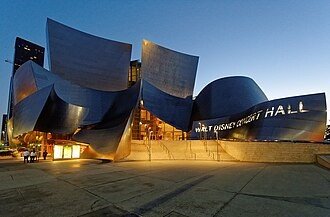
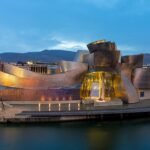
Material experimentation as an artistic statement stands at the very core of Frank Gehry’s architectural philosophy, where materials are never treated as neutral construction elements but as expressive agents capable of communicating rebellion, play, vulnerability, and poetic force. In Gehry’s work, materials such as titanium, chain link, corrugated metal, plywood, and raw timber are deliberately pulled away from their conventional industrial or utilitarian associations and repositioned within an artistic, sculptural, and often provocative architectural language. This radical recontextualization of materiality reflects not only a pursuit of visual originality but a deeper philosophical stance of anti conformity, where architecture resists polite refinement and embraces the rough, the unexpected, and the imperfect as legitimate carriers of meaning. In this sense, material choice becomes an act of defiance against the historical expectations of what architecture should look like, how it should age, and whom it should represent. Rather than relying on polished stone, symmetrical brickwork, or glass curtain walls that signify corporate neatness and structural discipline, Gehry elevates materials often associated with industrial backlots, suburban fences, shipping yards, and construction debris into instruments of cultural expression. This inversion of hierarchy destabilizes long standing prejudices between high and low materials and questions who decides what is worthy of architectural dignity. The philosophical message embedded in this material strategy is that artistic freedom in architecture cannot exist without a willingness to break social, aesthetic, and professional norms. Chain link fencing, one of the most emblematic of Gehry’s early material experiments, is a powerful symbol of this ideology. Traditionally used as a boundary marker for parking lots, playgrounds, and industrial zones, chain link is associated with exclusion, temporariness, and utility rather than beauty. By incorporating it into residential architecture and design installations, Gehry stripped it of its purely functional stigma and transformed it into a visual and conceptual statement. The material’s transparency, reflectivity, and ambiguity allowed spaces to remain visually open while still maintaining physical separation, creating an entirely new spatial reading that questioned the very nature of walls, edges, and enclosure. The choice of such a material was not driven by economy alone but by a deliberate rejection of architectural decorum, asserting that beauty could emerge from the mundane and even the socially disregarded. This perspective aligns with broader artistic movements that sought to collapse the distinction between fine art and everyday objects, suggesting that meaning is not inherent in materials but generated through perception and context. Plywood, another recurring material in Gehry’s experimental vocabulary, further amplifies this philosophy of artistic subversion. Often treated in conventional construction as a hidden structural layer beneath finishes, plywood in Gehry’s hands becomes surface, texture, and statement. Its layered grain structure, visible imperfections, and association with provisional construction sites undermine the polished finality traditionally expected in architecture. By exposing plywood as both structure and finish, Gehry emphasizes process over perfection and construction over illusion. The building no longer pretends to be a timeless, flawless artifact but instead reveals itself as an evolving, human made object with visible labor, joints, and vulnerabilities. This openness reflects an artistic commitment to honesty and impermanence, where architecture is not frozen in an idealized image but allowed to exist as something provisional, experimental, and alive. The same radical logic governs Gehry’s most globally recognized material signature, the extensive use of titanium, most famously realized in the Guggenheim Museum Bilbao, which stands as one of the clearest demonstrations of material experimentation elevated into a monumental artistic statement. Titanium, chosen for its lightness, corrosion resistance, and reflective qualities, behaves less like a static cladding and more like a living surface. It absorbs and refracts changing atmospheric conditions so that the building shifts in color and luminosity throughout the day, sometimes appearing silver, sometimes gold, sometimes almost blue, dissolving its solidity into light itself. The choice of this material transcended practical concerns and became a philosophical gesture, signaling that architecture could participate in time, weather, and motion as an expressive medium rather than remaining visually fixed. Titanium in this context symbolizes artistic freedom at an urban scale, declaring that a museum need not be a neutral container for art but can itself perform as a transformative artwork. The building’s economic and cultural impact further reinforced the idea that material risk and aesthetic rebellion could generate not just visual excitement but profound social and urban renewal, challenging the belief that conservative material choices are necessary for public acceptance or financial success. A different yet equally powerful example of Gehry’s material philosophy can be found in the Walt Disney Concert Hall, where stainless steel panels unfold in sweeping, dynamic forms that mirror the energy of music itself. While the material is industrial in origin, its treatment is fluid, sculptural, and almost fabric like in appearance. The metal no longer reads as cold or mechanical but as lyrical and animated, catching sunlight in changing patterns that activate the building’s exterior as a constantly shifting visual composition. This transformation of industrial metal into something emotionally resonant demonstrates how material experimentation in Gehry’s work is never about shock value alone but about unlocking latent expressive potential hidden within familiar substances. The material becomes a performer rather than a passive skin, engaging in dialogue with sound, movement, and urban life. Even in his smaller scale projects and early residential works, Gehry’s anti conformist material philosophy is consistently visible, particularly in the renovation of his own Santa Monica residence where corrugated metal, chain link, plywood, and exposed framing were layered around an existing suburban house. This act was not merely architectural provocation but a deeply personal manifesto against the sterile formalism of late modernism and the polite nostalgia of postmodernism. By wrapping a conventional home in materials associated with warehouses and factories, Gehry forced a confrontation between domestic traditions and industrial reality, between private comfort and public rawness. The house became a living laboratory where artistic freedom tested the boundaries of social acceptability, neighborhood conformity, and architectural decorum. The fierce public reaction to this project, ranging from admiration to outrage, only reinforced the philosophical stakes of material experimentation as a challenge to collective taste and expectation. Gehry’s use of unconventional materials also carries an implicit critique of architectural elitism. By elevating low cost, widely available, and often overlooked materials into celebrated design elements, he disrupts the notion that architectural value must be tied to luxury finishes or rare substances. This democratization of material language broadens the cultural accessibility of architecture, suggesting that creative expression is not dependent on wealth or exclusivity but on vision, courage, and conceptual rigor. In this sense, chain link and plywood become not just aesthetic choices but political ones, signaling an alignment with everyday environments and ordinary textures rather than with elite refinement. This material strategy resonates with Gehry’s long standing admiration for artists who worked with found objects, assemblage, and non traditional media, reinforcing his position at the intersection of architecture and contemporary art rather than within the boundaries of orthodox building practice. At the same time, Gehry’s later large scale use of titanium and complex metal systems demonstrates that anti conformity does not require rejection of advanced technology or high performance materials. Instead, it demands that such materials be liberated from their expected roles and put into service of expressive risk. Titanium in his work is not used merely because it is durable or lightweight but because its mutable reflectivity enables architecture to behave like a kinetic sculpture shaped by light and time. This approach reframes technological sophistication not as a pursuit of efficiency alone but as a catalyst for visual poetry, allowing architecture to resonate emotionally rather than merely perform technically. The contrast between rough plywood and shimmering titanium within Gehry’s broader body of work illustrates a consistent philosophical thread rather than stylistic contradiction. Both material extremes express a refusal to be bound by conventional hierarchies of taste. Whether working with inexpensive construction remnants or cutting edge aerospace metals, Gehry applies the same artistic logic of disruption, redefinition, and expressive experimentation. The unifying force is not the material itself but the attitude toward material as a medium of free artistic inquiry rather than a fixed typological solution. This fluid approach allows each project to invent its own material language according to context, concept, and desired emotional impact rather than adhering to a branded or formulaic palette. In urban terms, Gehry’s material experimentation introduces visual friction into cities accustomed to predictability. A titanium clad museum rising among masonry buildings or a chain link wrapped residence in a quiet suburban street functions as a deliberate rupture in visual continuity. This rupture is not accidental but ideologically motivated. It forces the city to recognize the presence of difference, to acknowledge that architectural uniformity is not a neutral condition but a cultural construct shaped by power, economics, and habit. Gehry’s buildings do not politely blend in; they assert their otherness as a form of cultural critique. The friction they create compels observers to reconsider what kinds of materials, forms, and expressions are permitted in shared space and who gets to decide those limits. From a sensory perspective, Gehry’s materials actively engage not only vision but touch, sound, and movement. Chain link vibrates with sound when wind passes through it. Corrugated metal reflects distorted images of moving pedestrians and cars. Titanium panels shift color with changing light. Plywood surfaces reveal their grain and layers at close range. These sensory qualities reinforce the idea that architecture is not a static visual composition but a multi sensory performance unfolding over time. Material becomes the primary interface between the human body and architectural form, intensifying physical awareness and emotional response. The anti conformist dimension of this material philosophy is inseparable from Gehry’s broader rejection of architectural dogma. At various points in his career, prevailing professional norms dictated what materials were considered appropriate for civic buildings, residences, or cultural institutions. Gehry consistently violated these unwritten rules. He applied industrial materials to domestic settings and sculptural metals to monumental civic projects. In doing so, he dismantled the rigid association between building type and material expectation. A museum no longer had to be stone and marble. A house no longer had to be brick and timber. Program no longer dictated material destiny. This liberation of material from typological obedience is one of the most profound expressions of artistic freedom within his work. Importantly, Gehry’s embrace of unconventional materials also foregrounds the notion of risk in architectural creation. Each departure from accepted material standards carries structural, financial, and reputational uncertainty. Clients may resist. Builders may hesitate. The public may object. Yet Gehry’s willingness to operate within this zone of risk reflects a deep commitment to architecture as an experimental art rather than a purely procedural service. Risk becomes not a byproduct but a prerequisite for genuine innovation. Without the danger of failure, material experimentation would lose its critical edge and become mere stylistic variation. Philosophically, this positions architecture closer to contemporary art practice, where failure, provocation, and uncertainty are not avoided but embraced as conditions of meaningful creation. Over time, many of Gehry’s once shocking material choices have become less controversial, even admired. Chain link has entered design culture as an accepted texture. Exposed plywood is now a common feature in contemporary interiors. Metallic sculptural facades have proliferated across global cities. This gradual normalization raises a paradox at the heart of material experimentation as artistic rebellion. Once a material strategy becomes popular, it risks losing its oppositional power. What was once anti conformist becomes fashionable, and what once challenged authority becomes absorbed into market driven aesthetics. This cycle does not invalidate Gehry’s contribution but rather highlights the relentless tension between innovation and institutionalization in architecture. The role of the radical is not to remain perpetually shocking but to expand the boundaries of what is culturally imaginable. Gehry’s material experiments have undeniably achieved this by permanently altering the architectural imagination of what materials can signify and how they can perform expressively. In the final analysis, material experimentation in Gehry’s work is not a superficial stylistic choice but a philosophical declaration of independence from inherited norms. Titanium becomes a medium of light and motion rather than a mere protective skin. Chain link becomes a poetic boundary rather than a symbol of exclusion. Plywood becomes a surface of honesty rather than a concealed structural layer. Through these transformations, Gehry asserts that architecture is not obligated to obey the symbolic codes embedded within materials by industry, tradition, or economics. Instead, it has the right and perhaps the obligation to reassign meaning, to challenge visual habits, and to provoke new ways of seeing. This is the essence of artistic freedom within his architecture. It is freedom not as arbitrariness but as disciplined defiance, where each material choice carries conceptual intent and cultural consequence. Gehry’s anti conformity does not reject the world of construction but reframes it as a site of poetic possibility. By doing so, he expands the ethical and aesthetic responsibilities of the architect beyond problem solving into the realm of cultural authorship. Material, in his work, speaks. It declares resistance to uniformity, skepticism toward polished perfection, and commitment to the unpredictable richness of human creativity. In a global architectural landscape increasingly shaped by standardized systems and value engineered finishes, this insistence on material as an artistic manifesto remains one of Gehry’s most enduring and disruptive contributions to contemporary architecture.