After establishing the foundational logic of residential planning, the document advances into a sequential approach to planning. This sequence is important because Vastu planning does not treat design as a random assembly of spaces. Instead, it follows a defined order that moves from the general to the specific. This structured progression ensures clarity, reduces conflict …
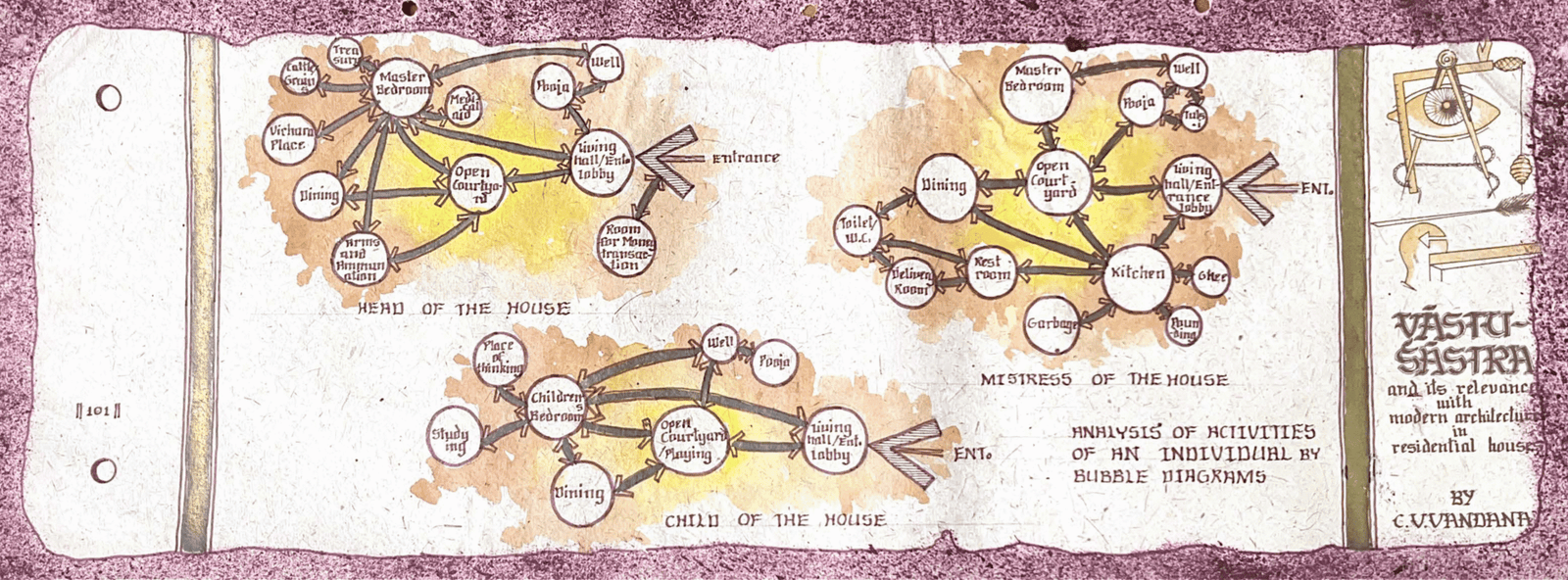
Table of Contents
- Time Scale as a Planning Consideration
- Activity Wise Progression in Planning
- Zoning as a Tool for Order
- Dimensional Discipline and Spatial Control
- Flexibility Within Structured Planning
- Relevance of Vastu Planning to Modern Architecture
- Environmental Responsiveness and Sustainability
- Human Centered Design and Well Being
- Integration with Modern Constraints
- Planning as a Decision Making Framework
- Contemporary Interpretation of Traditional Knowledge
- Conclusion
After establishing the foundational logic of residential planning, the document advances into a sequential approach to planning. This sequence is important because Vastu planning does not treat design as a random assembly of spaces. Instead, it follows a defined order that moves from the general to the specific. This structured progression ensures clarity, reduces conflict between functions, and supports long term usability.
The planning sequence begins with understanding the site as a whole before addressing internal divisions. The site is first assessed in terms of direction, access, and context. Only after this understanding is established does the planner move toward zoning and room placement. This order prevents premature decisions that might later restrict flexibility or create inefficiencies.
The text emphasizes that skipping steps in the planning sequence leads to compromised outcomes. When room placement is attempted before zoning, or zoning before site analysis, the result is often a forced layout that struggles to adapt to actual conditions. Sequential planning therefore acts as a safeguard against design errors.
Time Scale as a Planning Consideration
Time scale is introduced as a subtle but important planning factor. The document explains that planning must consider not only immediate needs but also future use. Houses are long term investments that often outlive the original occupants. Therefore, planning decisions must anticipate change rather than serve only present convenience.
Time scale influences decisions such as room size, flexibility of spaces, and circulation patterns. A house designed only for current needs may become inadequate as family size changes or activities evolve. The planning approach encourages creating adaptable spaces that can support different functions over time without major alteration.
The text also relates time scale to construction phasing. In many cases, houses are built incrementally. Planning must allow for future expansion without disrupting the integrity of the original structure. This foresight reflects a realistic understanding of economic and social conditions.
Activity Wise Progression in Planning
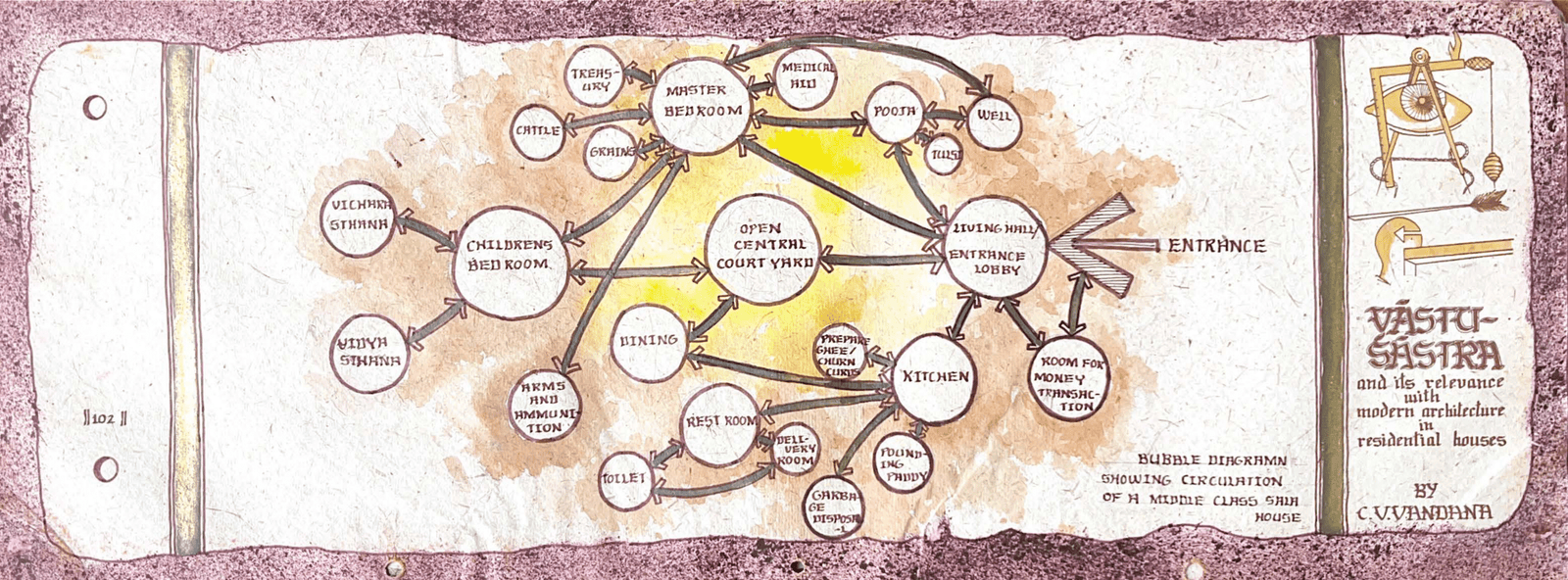
A significant portion of the second half focuses on activity wise planning. The house is understood as a framework for daily activities that occur in predictable sequences. Planning must support these sequences logically. Activities such as waking, washing, cooking, eating, working, resting, and sleeping follow rhythms that can be anticipated.
The document explains that good planning reduces overlap between incompatible activities. For example, spaces for rest should not be disturbed by circulation serving active areas. Kitchens should be accessible yet separated enough to control heat and odor. Activity wise planning therefore improves both comfort and efficiency.
The progression of activities throughout the day also influences spatial hierarchy. Public activities occur closer to the entrance, while private activities are placed deeper within the house. This hierarchy supports social interaction while preserving personal privacy. The text reinforces that planning is successful when movement feels natural and unforced.
Zoning as a Tool for Order
Zoning is presented as a core planning tool that translates abstract principles into physical arrangement. Zones are created based on function, activity level, and environmental needs. The document emphasizes that zoning does not mean rigid compartmentalization but organized grouping.
Functional zones such as living, sleeping, service, and storage areas are separated to reduce conflict. Circulation zones connect these areas efficiently without cutting through private spaces. Environmental zoning considers light, ventilation, and thermal comfort, ensuring that each function receives suitable conditions.
The value of zoning lies in its ability to create clarity. When zones are defined clearly, the house becomes easier to use and maintain. The document presents zoning as a planning discipline that remains relevant regardless of architectural style.
Dimensional Discipline and Spatial Control
The second half reinforces the importance of dimensional control in planning. Room sizes, circulation widths, and open spaces must be carefully proportioned. Oversized spaces waste resources and increase maintenance, while undersized spaces compromise comfort.
Dimensional discipline ensures that every space has a clear purpose and adequate capacity. The text emphasizes that dimensions should respond to use rather than aesthetic impulse. This practical approach ensures that houses remain functional under everyday conditions.
The relationship between dimensions and furniture placement is also addressed. Planning must anticipate how spaces will be furnished. This avoids situations where rooms appear adequate on paper but fail in real use due to poor proportions.
Flexibility Within Structured Planning
Although the planning system described is structured, it allows for flexibility. The document makes it clear that Vastu planning principles are not meant to produce identical houses. Instead, they provide a framework within which variation is possible.
Flexibility is achieved through multipurpose spaces, adaptable layouts, and thoughtful circulation. Rooms may serve different functions at different times without disrupting overall order. This adaptability is especially important in modern housing where space is limited and needs change frequently.
The text suggests that flexibility should be intentional rather than accidental. Planning should anticipate change and accommodate it gracefully. This approach aligns well with contemporary architectural thinking.
Relevance of Vastu Planning to Modern Architecture
A central objective of the document is to demonstrate the relevance of Vastu planning principles in modern architectural practice. The text argues that while construction technology has changed, the fundamental requirements of housing have not. People still need light, air, privacy, comfort, and functional organization.
Modern architecture often emphasizes efficiency, sustainability, and user experience. Vastu planning principles support these goals by promoting natural ventilation, logical zoning, and efficient circulation. When interpreted rationally, these principles complement modern design objectives rather than conflict with them.
The document cautions against literal or symbolic application of Vastu rules without understanding their intent. The relevance lies in the logic behind the principles, not in mechanical repetition. Modern architects are encouraged to extract functional wisdom rather than replicate forms blindly.
Environmental Responsiveness and Sustainability
Environmental responsiveness emerges as a major point of connection between Vastu planning and modern architecture. Orientation based planning improves daylighting and ventilation, reducing energy consumption. Zoning reduces unnecessary movement and heat gain.
The document highlights that traditional planning methods evolved in response to climate and environment. These responses remain valid in the context of sustainable design. Modern technologies may enhance performance, but they do not eliminate the need for good planning.
Sustainability is therefore presented as an outcome of intelligent planning rather than an add on. When houses are planned correctly, they naturally consume fewer resources and offer better comfort.
Human Centered Design and Well Being
The planning philosophy outlined places human experience at the center. Spaces are evaluated based on how they feel and function in daily life. This human centered approach aligns closely with modern design principles that prioritize user comfort and well being.
The document emphasizes that a well planned house reduces stress and improves quality of life. Clear circulation, adequate light, and functional zoning support mental and physical health. This reinforces the idea that architecture has a direct impact on human experience.
By focusing on lived reality rather than abstract form, Vastu planning demonstrates its continued relevance in addressing contemporary housing challenges.
Integration with Modern Constraints
Modern architecture operates under constraints such as building regulations, limited plot sizes, and dense urban contexts. The document acknowledges these realities and suggests that Vastu planning can adapt accordingly.
The principles of zoning, sequence, and orientation can be applied within regulatory frameworks. Even when full ideal conditions are not available, partial application of planning logic improves outcomes. The emphasis is on intelligent compromise rather than rigid adherence.
This adaptability ensures that Vastu planning remains a useful tool rather than an obstacle in modern practice.
Planning as a Decision Making Framework
One of the strongest arguments presented is that Vastu planning functions as a decision making framework. Instead of relying solely on intuition, planners can use structured principles to evaluate options and resolve conflicts.
When multiple layout possibilities exist, planning logic helps identify the most suitable solution. This reduces subjective bias and increases consistency. The framework supports both experienced architects and beginners by providing clear reference points.
The document presents planning as a rational process supported by experience and observation, rather than mysticism.
Contemporary Interpretation of Traditional Knowledge
The text concludes by advocating for thoughtful interpretation rather than blind acceptance or rejection of traditional planning systems. Vastu planning is presented as a body of accumulated knowledge that can be tested, refined, and adapted.
Modern architects are encouraged to study these principles critically, understand their intent, and apply them selectively. This approach preserves the value of tradition while embracing innovation.
The relevance of Vastu planning lies not in nostalgia but in its practical insights into space, function, and human behavior.
Conclusion
The second half of the document positions Vastu planning as a living system rather than a static rulebook. Through sequential planning, activity wise zoning, dimensional discipline, and adaptability, it offers a coherent approach to residential design.
Its relevance to modern architecture is grounded in shared objectives such as functionality, sustainability, and human well being. When interpreted intelligently, Vastu planning principles enhance modern design rather than constrain it.
Together with the first blog, this section completes a comprehensive understanding of planning as both a traditional discipline and a contemporary design tool. It reinforces the idea that good planning transcends time, style, and technology, remaining essential to the creation of meaningful and functional houses.