After the selection of materials and commencement of construction, the next critical aspect of house architecture is the structural layout. The layout determines how different components of the house relate to one another spatially and functionally. A well planned layout ensures convenience, comfort, and efficient circulation. The text emphasizes that structural arrangement is not random …
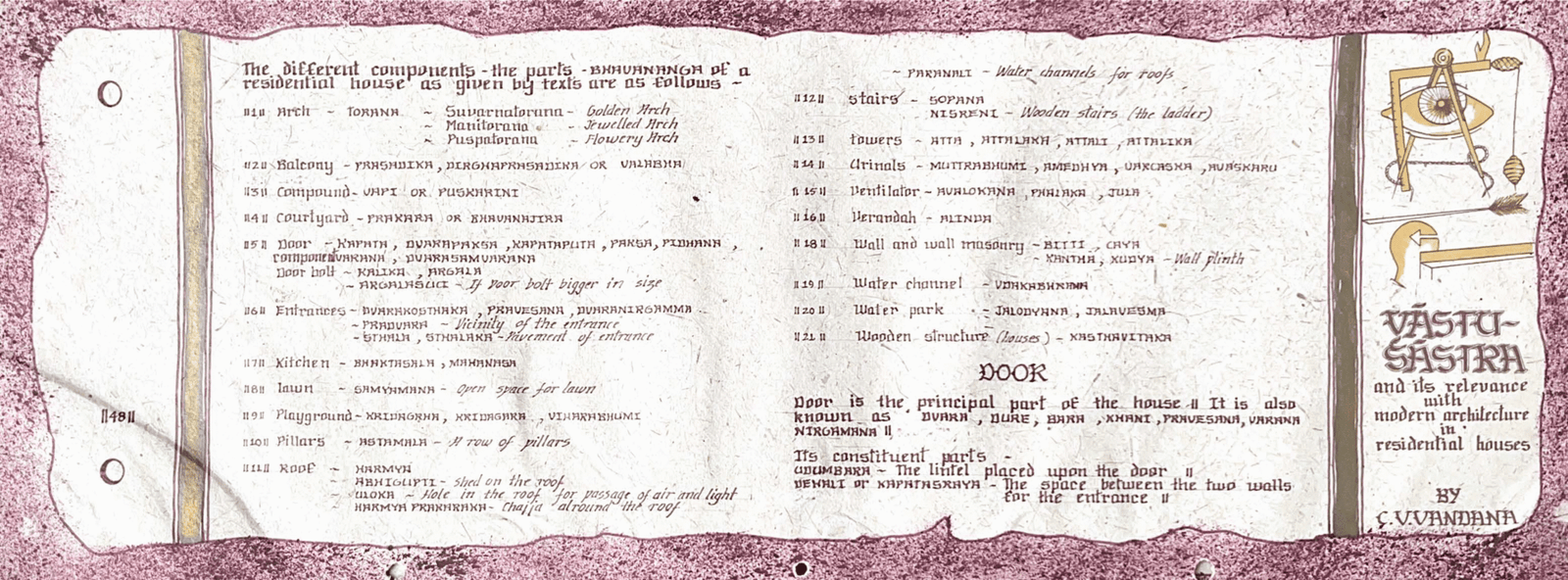
Table of Contents
- Components of a House
- Doors as Functional and Protective Elements
- Construction and Placement of Doors
- Windows and Their Role in Housing
- Types and Placement of Windows
- Rooms and Functional Spaces
- Circulation Spaces and Movement
- Staircases and Vertical Movement
- Structural Integration of Staircases
- Furniture and Built In Elements
- Decoration and Finishing Elements
- Integration of Components into a Unified House
- Durability and Maintenance Considerations
- Conclusion
After the selection of materials and commencement of construction, the next critical aspect of house architecture is the structural layout. The layout determines how different components of the house relate to one another spatially and functionally. A well planned layout ensures convenience, comfort, and efficient circulation. The text emphasizes that structural arrangement is not random but guided by functional logic and experiential knowledge.
The layout of a house begins with the identification of primary spaces and their relative positions. These spaces are arranged to support daily activities while maintaining privacy and ease of movement. Proper layout reduces unnecessary circulation and enhances the usability of each space. Structural clarity also simplifies construction and maintenance.
The relationship between load bearing elements such as walls and columns is an important consideration. Structural members must align vertically and horizontally to transfer loads safely to the ground. Misalignment can lead to stress concentration and long term damage. The text highlights that careful planning of structural layout ensures stability and longevity.
Components of a House
A house is composed of several components, each serving a specific function. These components can be broadly classified into major and minor elements. Major components include rooms, doors, windows, staircases, and circulation spaces. Minor components include finishes, fittings, and decorative elements. Together, these components create a complete living environment.
Each component must be designed in relation to others. Doors and windows influence ventilation and lighting. Rooms must be proportioned according to their function. Circulation spaces connect activities without causing obstruction. The integration of these elements determines the overall quality of the house.
Doors as Functional and Protective Elements
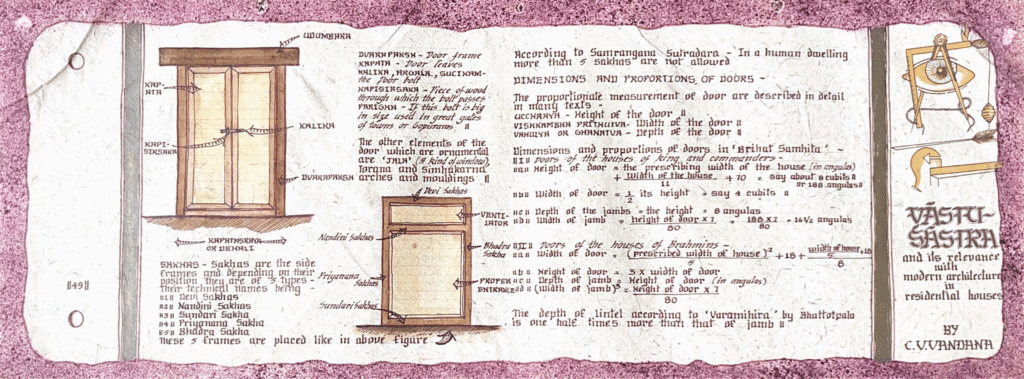
Doors are essential components that regulate movement and privacy within a house. They serve as points of access while also providing security and enclosure. The text explains that doors must be strong, durable, and properly positioned to perform effectively.
The size and proportion of doors influence ease of movement and visual balance. Doors that are too small restrict access, while oversized doors can disrupt proportion. Properly dimensioned doors contribute to comfort and efficiency.
Doors are also classified based on their location and function. Main entrance doors differ from internal doors in size and strength. Internal doors prioritize ease of use and spatial separation. The placement of doors must avoid conflict with furniture and circulation paths.
Construction and Placement of Doors
The construction of doors involves careful selection of materials and joinery. Wooden doors are commonly used due to their strength and workability. Proper framing ensures stability and prevents deformation over time.
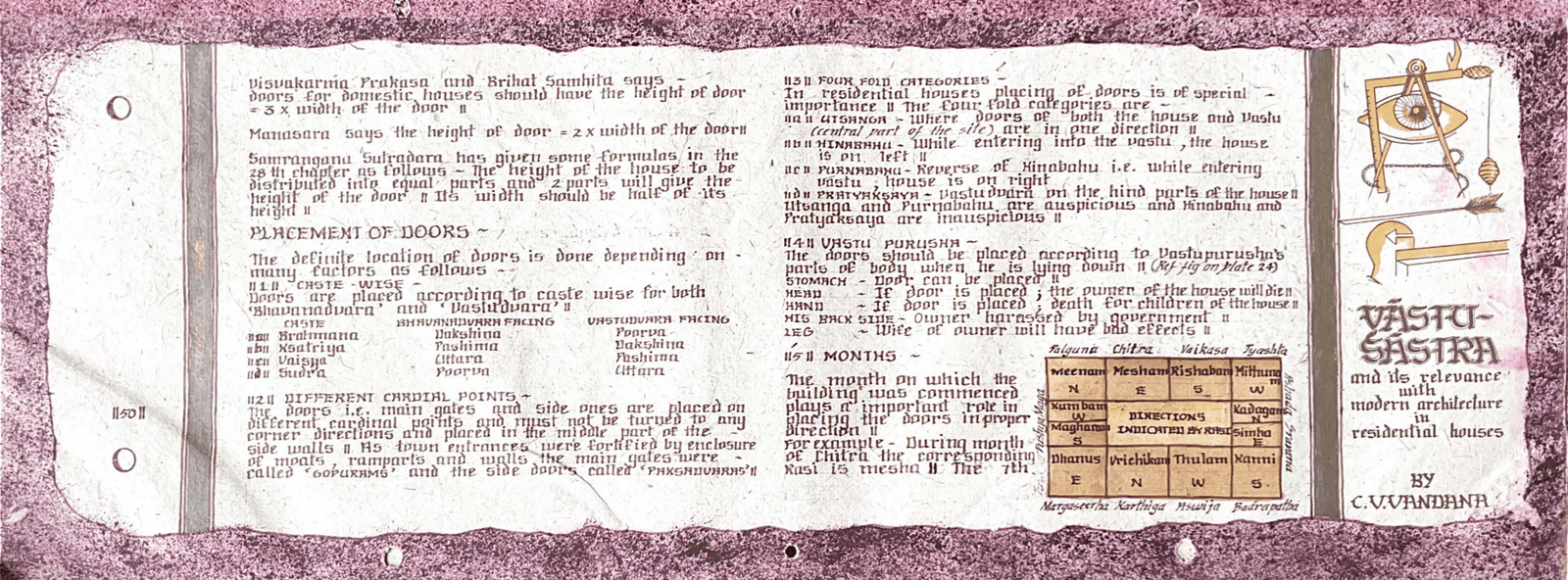
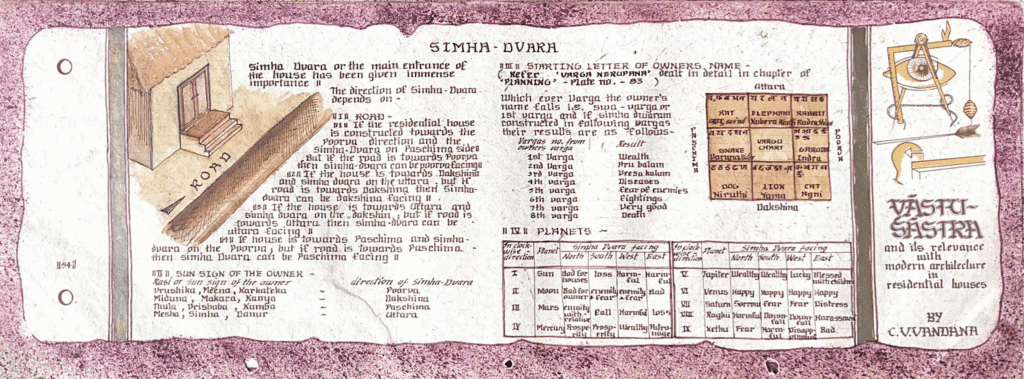
Placement of doors affects movement patterns within the house. Doors should be positioned to allow smooth circulation without unnecessary detours. The text emphasizes that doors should open conveniently and safely, avoiding obstruction to adjacent spaces.
The relationship between doors and rooms is carefully considered. Doors must support functional zoning by separating public, semi private, and private areas effectively.
Windows and Their Role in Housing
Windows are vital components that provide light, ventilation, and visual connection to the outside. The text explains that windows significantly influence indoor comfort and health. Adequate natural light reduces dependence on artificial lighting and enhances well being.
Window size and placement must balance light and ventilation while controlling heat and glare. Improperly placed windows can cause overheating or insufficient airflow. Traditional practice emphasizes moderation and balance.
Windows also contribute to the aesthetic character of a house. Their proportion and arrangement influence the external appearance and internal ambiance.
Types and Placement of Windows
Windows are classified based on function and construction. Fixed windows provide light without ventilation, while operable windows allow airflow. The choice depends on room function and climatic conditions.
Placement of windows must align with room usage. Living spaces benefit from larger openings, while service areas require controlled ventilation. Windows should be positioned to avoid direct exposure to harsh weather conditions.
The text emphasizes that window placement must respect structural requirements. Openings should not weaken load bearing walls. Proper lintels and frames ensure structural safety.
Rooms and Functional Spaces
Rooms form the core of a house. Each room is designed to support a specific activity. The text explains that room size, shape, and position must correspond to its function. Poorly designed rooms reduce usability and comfort.
Living rooms serve as shared spaces for social interaction. They are typically placed in accessible locations. Bedrooms require privacy and quiet, influencing their placement away from noisy areas. Kitchens must be efficiently organized to support cooking activities.
Functional separation between rooms improves hygiene and efficiency. Proper adjacency reduces unnecessary movement and enhances daily routines.
Circulation Spaces and Movement
Circulation spaces include passages, corridors, and transitional areas. These spaces connect rooms and facilitate movement. The text emphasizes that circulation must be efficient and unobtrusive.
Excessive circulation wastes space, while inadequate circulation causes congestion. Proper planning ensures smooth flow without compromising privacy. Circulation paths should be clear and direct.
The relationship between circulation and rooms is critical. Circulation should not cut through private spaces. Logical sequencing enhances comfort and usability.
Staircases and Vertical Movement
Staircases provide vertical circulation between different levels of a house. The text explains that stair design must prioritize safety, comfort, and structural stability. Improper stair design poses risk and inconvenience.
Stair dimensions such as riser height and tread width must be proportionate. Comfortable stairs reduce fatigue and risk of accidents. Proper handrails enhance safety.
Placement of staircases affects circulation and space utilization. Stairs should be accessible without disrupting primary living areas. Structural support must be adequate to carry loads safely.
Structural Integration of Staircases
Staircases must integrate with the structural system of the house. They require proper support at landings and connections with floors. Poor integration can cause vibration and cracking.
Material selection for stairs influences durability and appearance. Wood, stone, and masonry are commonly used. The choice depends on structural requirements and aesthetic intent.
The text emphasizes that staircases should be designed as integral components rather than afterthoughts.
Furniture and Built In Elements
Furniture contributes significantly to the functionality of a house. The text explains that furniture placement must be considered during planning. Built in elements such as shelves and storage units improve space efficiency.
Furniture should not obstruct circulation or access to doors and windows. Proper arrangement enhances comfort and usability. Built in furniture integrates seamlessly with architecture.
The relationship between furniture and room dimensions is important. Oversized furniture reduces usability, while undersized furniture affects comfort. Balance is essential.
Decoration and Finishing Elements
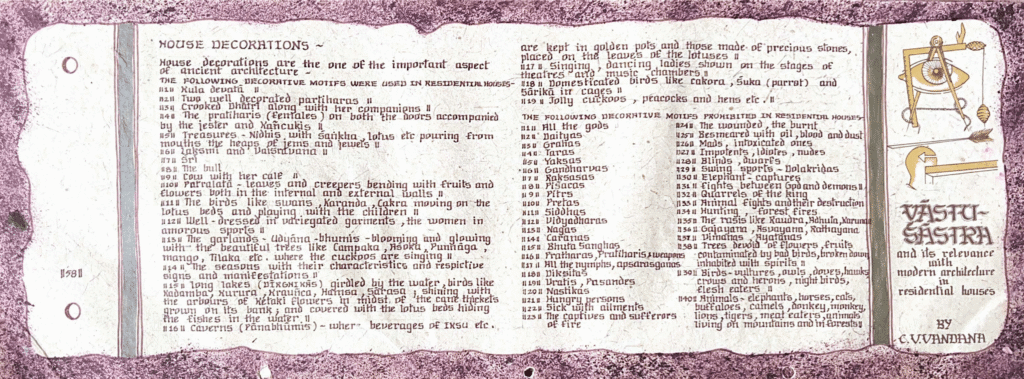
Decoration completes the transformation of a structure into a living space. The text explains that decoration should enhance comfort without compromising function. Excessive decoration can clutter spaces and reduce usability.
Finishes such as flooring, wall treatment, and ceiling design influence appearance and maintenance. Materials must be durable and appropriate for use conditions.
Decoration also reflects personal taste and cultural values. However, it must remain subordinate to function and structure.

Integration of Components into a Unified House
The text emphasizes that a house must function as a unified whole. Individual components must work together harmoniously. Doors, windows, rooms, and circulation spaces must align structurally and functionally.
Lack of integration results in inefficiency and discomfort. Traditional architectural practice valued coherence and balance. This approach ensured long term performance and satisfaction.
Durability and Maintenance Considerations
Components must be designed for durability and ease of maintenance. The text highlights that accessible construction and proper detailing reduce maintenance effort. Durable materials extend the lifespan of the house.
Maintenance considerations influence component selection and placement. Proper detailing prevents moisture infiltration and wear.
A maintainable house supports long term habitation and reduces cost.
Conclusion
The second half of the Components of House focuses on the organization and integration of structural and functional elements. Doors, windows, rooms, circulation spaces, and staircases form the framework of daily life within a house. Their proper design and placement ensure comfort, safety, and efficiency.
Furniture and decoration complete the living environment by enhancing usability and character. When all components are integrated thoughtfully, the house becomes a coherent and supportive space.
Together, the principles outlined demonstrate that house architecture is not merely about construction but about creating balanced environments that respond to human needs. The systematic approach to components ensures that houses remain functional, durable, and meaningful over time.