Introduction Light is more than just what lets us see. It is mood, energy, and life itself. As architects and designers, we often spend hours selecting artificial fixtures recessed spotlights, chandeliers, LED strips when the most powerful and sustainable source of light has always been available: the sun. Natural light, when harnessed thoughtfully, can transform …

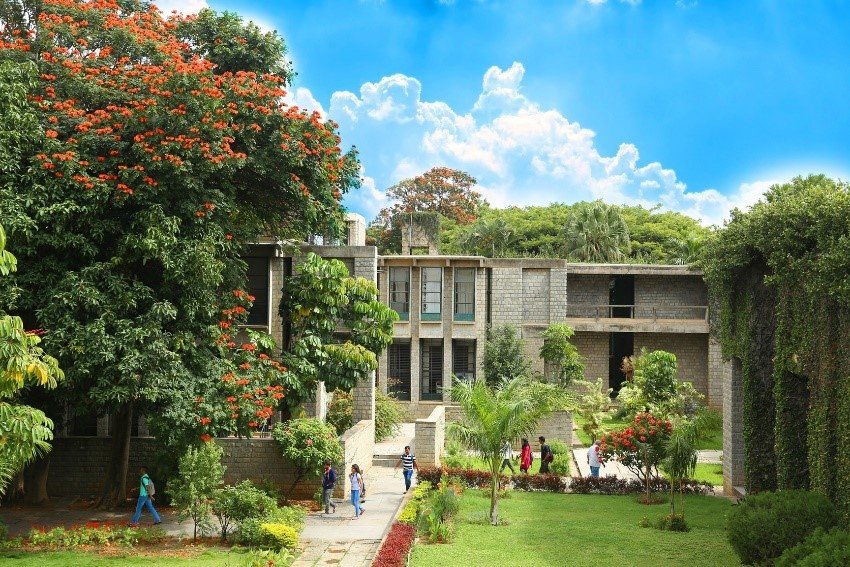
Table of Contents
- Introduction
- The Power of Natural Light
- Traditional Indian Wisdom in Lighting
- Case Study 1: The Indian Institute of Management, Bangalore
- Case Study 2: The Havelis of Shekhawati, Rajasthan
- Case Study 3: Lotus Temple, New Delhi
- Case Study 4: Laurie Baker’s Residences, Kerala
- Case Study 5: Jawahar Kala Kendra, Jaipur
- Practical Strategies for Natural Lighting in Modern Homes
- Psychological and Cultural Dimensions of Light
- Natural Light vs Artificial Tricks
- The Financial and Environmental Case
- Modern Urban Examples
- Conclusion
Introduction
Light is more than just what lets us see. It is mood, energy, and life itself. As architects and designers, we often spend hours selecting artificial fixtures recessed spotlights, chandeliers, LED strips when the most powerful and sustainable source of light has always been available: the sun. Natural light, when harnessed thoughtfully, can transform interiors in ways artificial illumination never can. It is dynamic, free, health-boosting, and deeply tied to culture.
India, with its vast range of climates and centuries of architectural traditions, provides countless lessons in designing with natural light. From the courtyards of havelis to the jaali screens of Mughal palaces, from the skylit temples of Tamil Nadu to modern eco-homes in Bengaluru, examples abound. This blog explores how natural illumination not only saves energy but also enhances well-being and beauty, and why it often outshines even the most high-tech artificial tricks.
The Power of Natural Light
Natural light is unique because it changes through the day and across seasons. Morning sunlight is soft and cool, creating calmness. Afternoon light is sharp, casting strong shadows. Evening light is warm, adding glow and intimacy. Artificial light, in contrast, is static and flat. Even the most advanced tunable LED systems cannot truly replicate the depth and variation of sunlight.
Moreover, natural light carries benefits beyond aesthetics. It boosts vitamin D, regulates circadian rhythms, and improves mood. In offices and schools, studies consistently show higher productivity, concentration, and attendance in naturally lit spaces. For homes, sunlight enhances a sense of openness and connection with the outdoors.
Traditional Indian Wisdom in Lighting
Indian architecture has long mastered the art of natural illumination. Builders understood that light was both a practical and spiritual element.
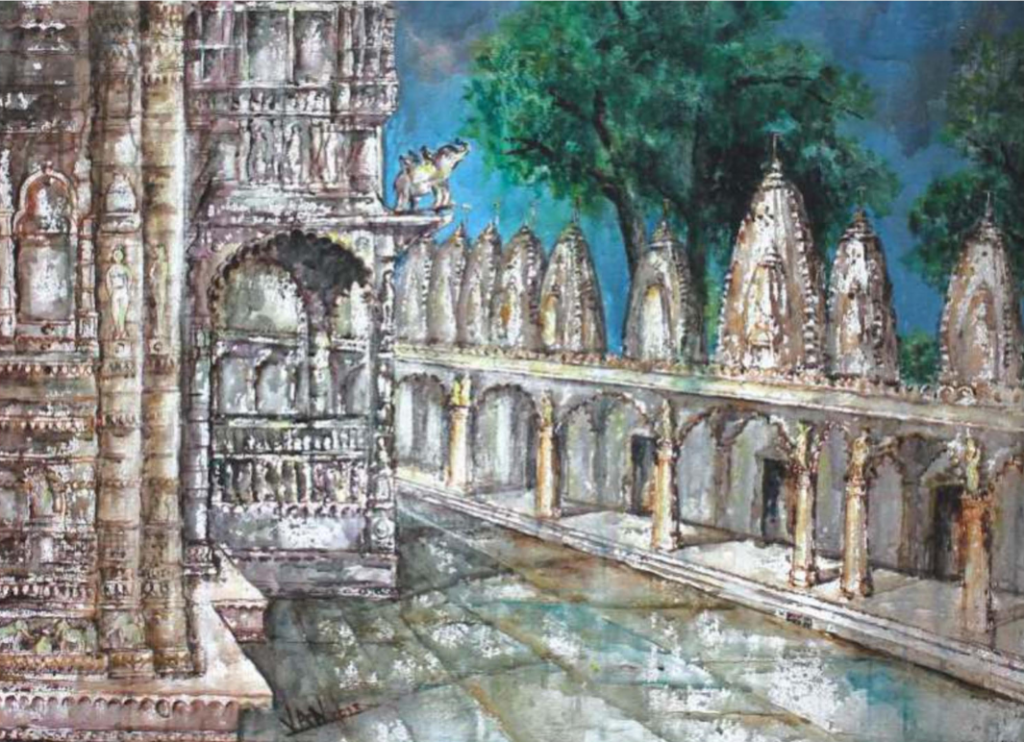
In Rajasthani havelis, jaalis latticed stone or wooden screens filtered the harsh desert sun into delicate patterns, cooling interiors while creating poetic play of shadow. In Kerala’s tharavadu houses, inner courtyards ensured light penetrated deep into long, sloping-roof homes, balancing ventilation and brightness. In South Indian temples, shafts of daylight from high openings were used to dramatize sacred idols, turning simple stone into divine spectacle.
These strategies were not just about light but about experience. Natural illumination created mystery, rhythm, and intimacy, giving each space its character.
Case Study 1: The Indian Institute of Management, Bangalore
Designed by B.V. Doshi, IIM Bangalore demonstrates how natural light can animate large institutional spaces. The campus is composed of stone corridors, courtyards, and pergola-covered walkways. Open-to-sky cutouts allow light shafts to punctuate shaded spaces, creating constant interplay between shadow and brightness. Classrooms and offices rely heavily on daylight, reducing the need for artificial fixtures during daytime.
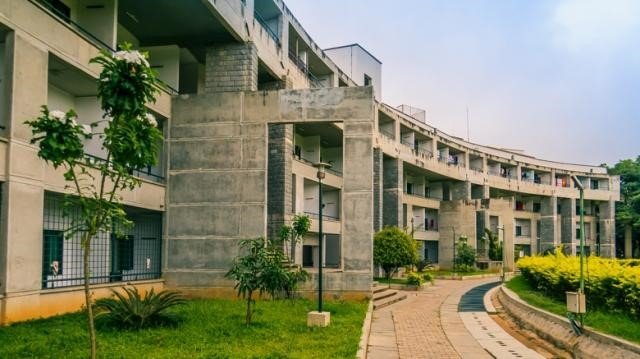
Here, natural light does more than save energy it becomes an architectural language. Walking through IIM Bangalore is a sensory journey where light defines rhythm and scale. Artificial light could never recreate this richness.
Case Study 2: The Havelis of Shekhawati, Rajasthan
The havelis of Shekhawati, known for their frescoed walls, are equally remarkable for their use of daylight. Central courtyards acted as giant light wells, drawing sunlight deep into the interiors while keeping rooms shaded at the periphery. Small, strategically placed windows admitted slivers of light, preventing glare.
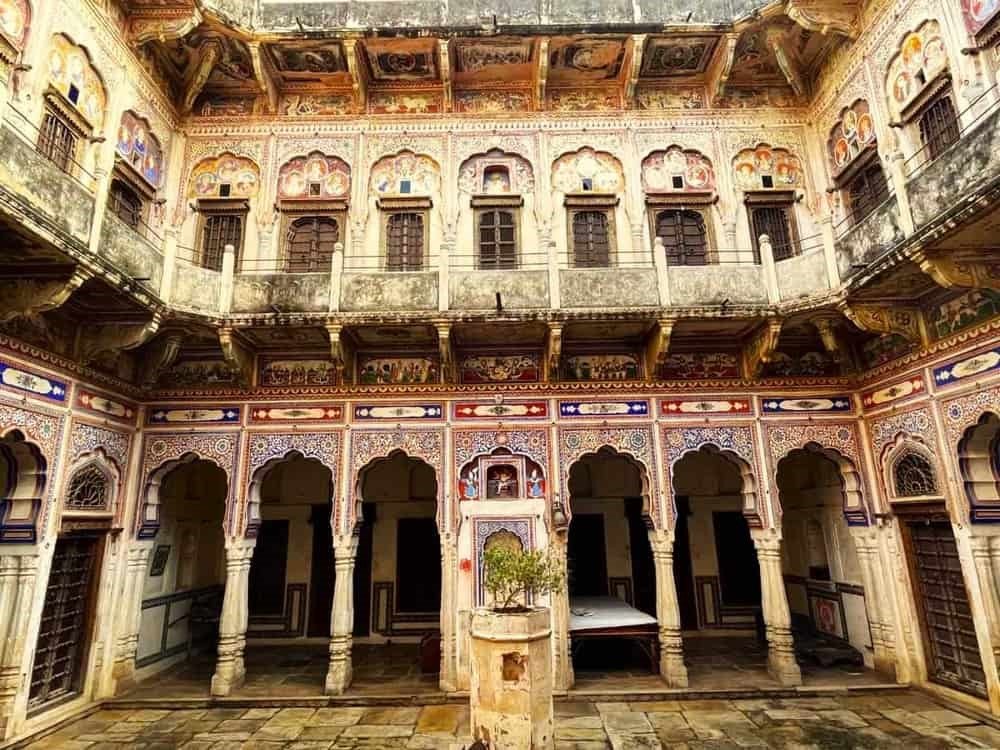
As the sun moved, frescoes glowed differently, making interiors dynamic without any bulbs. Even in the intense desert heat, these havelis remained lit naturally throughout the day. This passive use of daylight reduced dependence on oil lamps historically and serves as an example for modern designers aiming to minimize electricity use.
Case Study 3: Lotus Temple, New Delhi
The Lotus Temple by architect Fariborz Sahba is one of the most visited modern buildings in India. Its soaring petal-like shells are not only symbolic but also carefully designed to admit daylight. The gaps between the shells allow diffuse light to pour into the prayer hall. No artificial lighting is needed during the day, even though the hall accommodates thousands of visitors.

This example demonstrates how natural illumination can be scaled for monumental spaces. Artificial lighting here would have made the space feel ordinary; daylight transforms it into a spiritual experience.
Case Study 4: Laurie Baker’s Residences, Kerala
Laurie Baker’s houses in Kerala exemplify everyday brilliance in daylighting. Instead of expensive glazing or fixtures, he used simple jaali brickwork to let in filtered light, reducing heat gain. High-level openings brought in daylight while maintaining privacy. Courtyards and skylights made sure even deep interior spaces never felt dark.
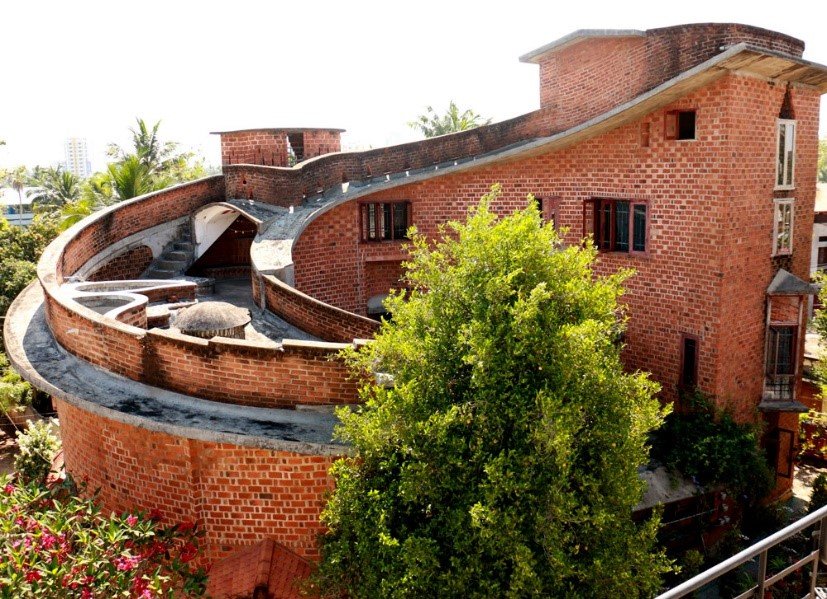
Residents in these homes not only save on electricity bills but also enjoy interiors that feel alive, shifting gently with the sun. Compared to flat-lit modern apartments, Baker’s designs reveal how subtle, low-tech daylighting strategies can make interiors emotionally richer.
Case Study 5: Jawahar Kala Kendra, Jaipur
Charles Correa’s Jawahar Kala Kendra is a cultural centre designed as a modern interpretation of Jaipur’s traditional city plan. The building plays dramatically with light: skylights, shaded courtyards, and controlled openings guide sunlight in theatrical ways. Galleries glow with indirect light, while courtyards shift from dazzling brightness to cool shade.
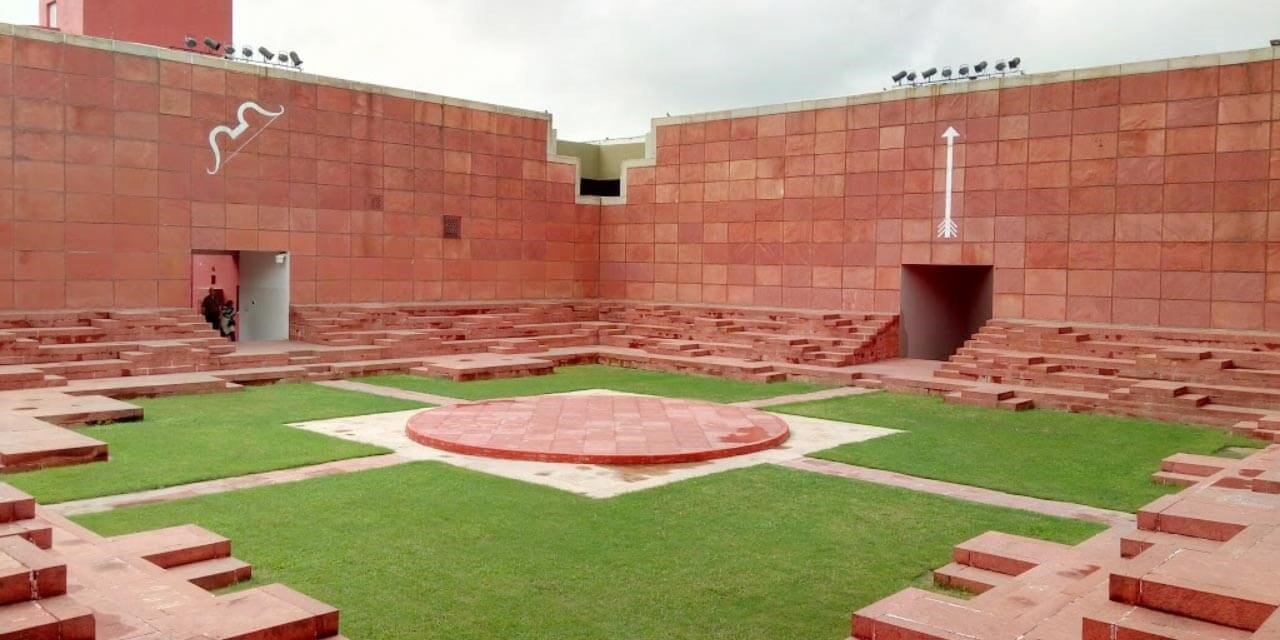
Here, light becomes a tool for storytelling, connecting visitors emotionally with space. Artificial lighting could illuminate art but never recreate the same depth of spatial drama.
Practical Strategies for Natural Lighting in Modern Homes
Many clients today live in apartments or compact houses, where direct courtyards or monumental skylights may not be possible. Yet there are practical, everyday strategies that can transform interiors through natural light.
Orientation Matters: Position living areas and workspaces to face east or north for softer light. West-facing windows bring harsh afternoon glare that often forces people to close curtains and turn on lights.
Maximize Window Design: Large windows are not always better. Instead, use strategically placed openings, high clerestory windows, or corner glazing to bring in daylight without overheating.
Use Reflective Surfaces: Light-colored walls, lime plaster, and reflective finishes bounce daylight deeper into rooms. Mirrored panels or polished stone can make even small spaces feel airy.
Light Wells and Cutouts: Vertical shafts, even small ones, can bring sunlight into otherwise dark apartments. A central stairwell with a skylight, for instance, can double as a light funnel.
Shading Devices: Pergolas, louvers, bamboo blinds, or green creepers filter sunlight, ensuring interiors remain comfortable. Controlled shading is key to harnessing light without excess heat.
Psychological and Cultural Dimensions of Light
Natural light carries meaning beyond function. In Indian homes, morning sunlight is often welcomed into puja rooms, symbolizing purity and new beginnings. Courtyards were places where families gathered in sunlight, connecting rituals with daily rhythms.
Psychologically, daylight helps regulate body clocks. Interiors flooded with natural light reduce fatigue, improve concentration, and elevate mood. Offices with skylights see fewer sick leaves. Schools with bright classrooms report higher attendance and performance. In contrast, artificial lighting can feel monotonous, detaching people from time and nature.
Natural Light vs Artificial Tricks
Artificial lighting has advanced dramatically, with LED systems that mimic daylight and sensors that optimize brightness. Yet, these remain imitations. They consume energy, need maintenance, and lack the soul of real sunlight.
Artificial lighting can highlight art or extend activities into the night, but it cannot replace the emotional richness of daylight. A beam of sunlight across a dining table, filtered through leaves, creates moments that no chandelier can replicate. Natural light makes interiors living, breathing, and seasonal. Artificial light, no matter how sophisticated, remains static and sterile.
The Financial and Environmental Case
Designing with natural light reduces electricity bills significantly. In Indian homes, lighting accounts for a large share of energy consumption, particularly in poorly designed apartments that rely on artificial lights even in daytime. By orienting spaces correctly, designing with skylights, and using reflective interiors, reliance on artificial lighting can drop by half or more.
Environmentally, this means reduced carbon footprint. Instead of installing expensive solar panels to power excessive lighting, the smarter approach is to reduce demand through passive daylighting. It’s the classic case where low-tech beats high-tech.
Modern Urban Examples
In Bengaluru, many contemporary eco-homes are experimenting with light wells and shaded skylights to reduce lighting costs and enhance quality of life. In Ahmedabad, offices designed with north-facing glazing and shaded courtyards operate through the day with minimal artificial lighting. Even in dense Mumbai, some architects are using cutouts and reflective louvers to channel daylight into cramped apartments.
These projects show that natural light is not just for traditional or luxury spaces. With thoughtful design, it can enrich urban homes, offices, and schools across India today.
Conclusion
Designing with light is not about adding more fixtures. It is about understanding and embracing the rhythms of the sun. Natural illumination, when harnessed intelligently, creates interiors that are healthier, more beautiful, and more sustainable than any artificial trick.
From Rajasthan’s havelis to Kerala’s courtyards, from Correa’s cultural centres to Baker’s modest homes, Indian architecture offers countless lessons in daylighting. These examples remind us that the most powerful design tools are often the simplest ones open courtyards, shaded verandahs, small jaalis, or a well-placed skylight.
As architects and interior designers, our task is not to overpower sunlight with artificial glow, but to choreograph it. To let it filter, bounce, and shift through our spaces, telling stories and shaping moods.
Artificial light will always have its role, but it should complement, not replace, the sun. Because when we design with light, we are not just illuminating spaces we are illuminating lives.