Orientation occupies a central position in Vastu Shastra because it governs how a built space interacts with cosmic forces. After understanding the philosophical foundation and origin of Vastu Shastra, orientation becomes the first practical application of those principles. It establishes how a structure receives sunlight, wind, heat, and subtle energies that influence human life. Orientation …
Orientation occupies a central position in Vastu Shastra because it governs how a built space interacts with cosmic forces. After understanding the philosophical foundation and origin of Vastu Shastra, orientation becomes the first practical application of those principles. It establishes how a structure receives sunlight, wind, heat, and subtle energies that influence human life. Orientation is not treated as a superficial preference but as a decisive factor that determines the quality of energy entering and circulating within a building.
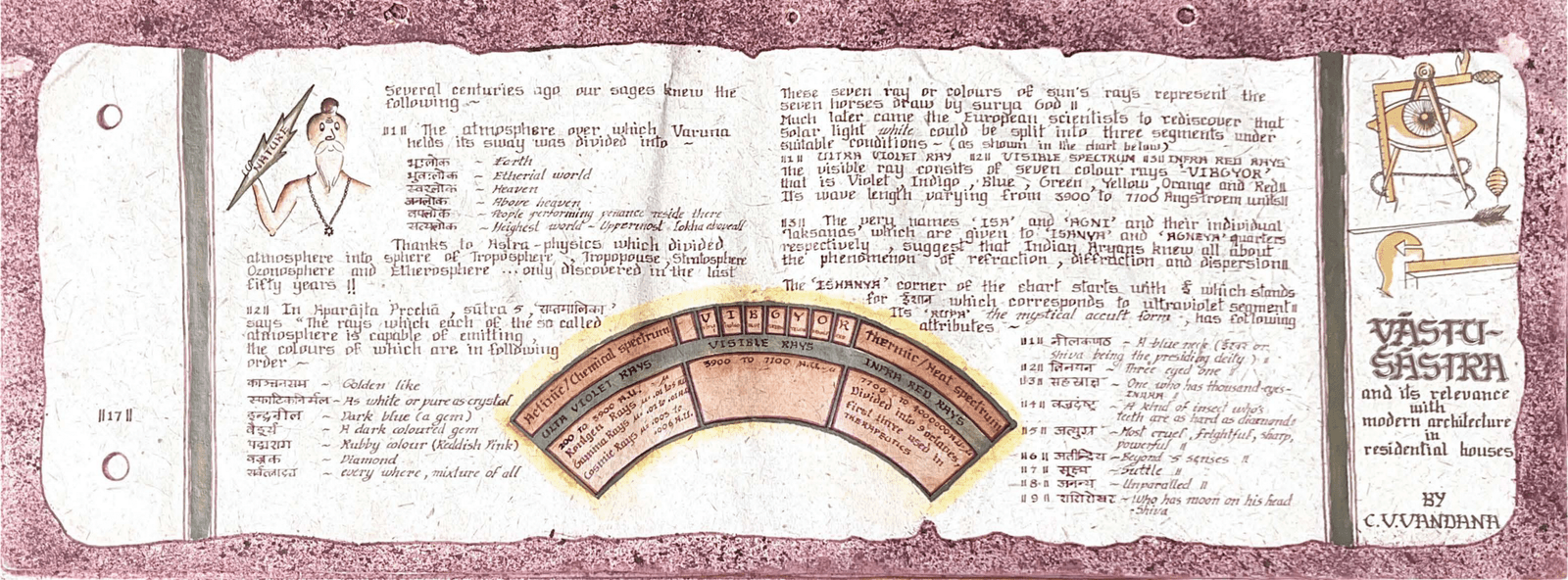
In Vastu Shastra, orientation is directly linked to the cardinal directions and their sub divisions. Each direction is associated with specific natural forces and functional qualities. The science recognizes that the earth is constantly influenced by solar movement, magnetic fields, and atmospheric patterns. Buildings that align with these forces are believed to support stability, health, and prosperity. Improper orientation, on the other hand, can disrupt natural flow and create imbalance within the space.
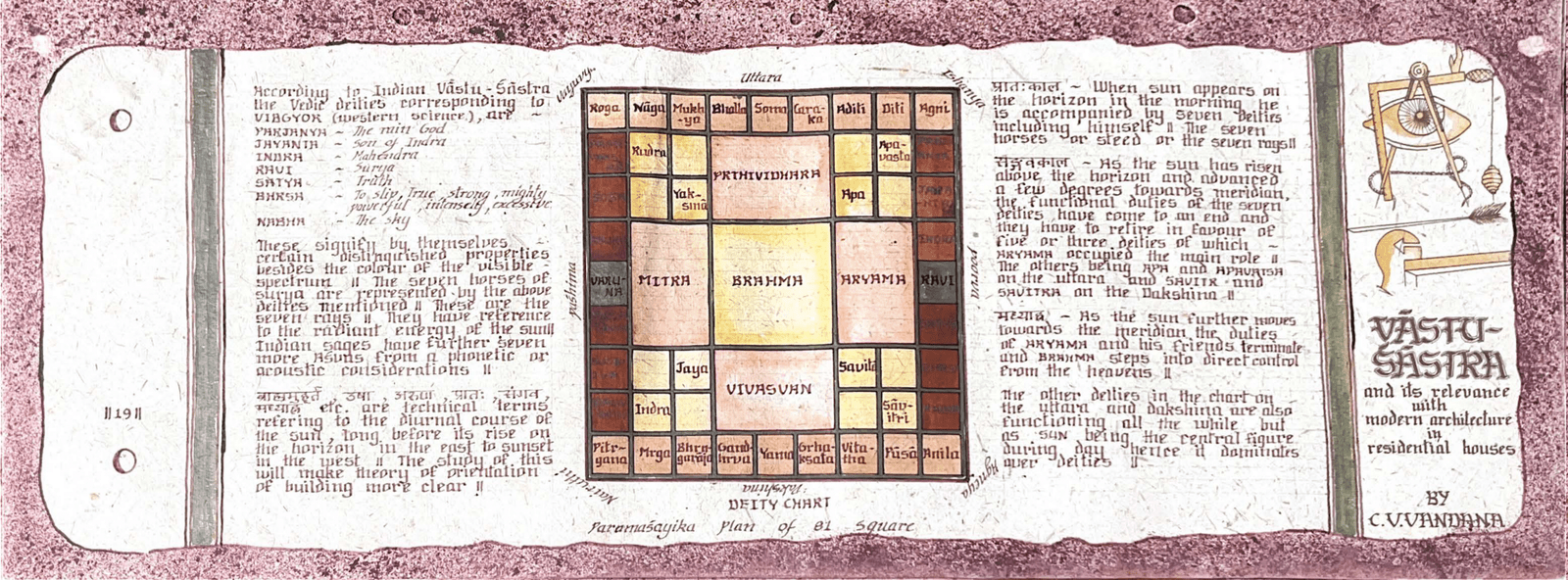
The concept of direction in Vastu Shastra is not limited to north, south, east, and west alone. It includes intermediate directions such as northeast, southeast, southwest, and northwest. Each of these zones carries distinct characteristics based on the movement of the sun and the distribution of elemental energies. Orientation therefore becomes a structured system rather than a general guideline, allowing precise planning of spaces within a building.
East holds special importance in Vastu Shastra because it is associated with the rising sun. The sun is regarded as the primary source of energy and life. Orientation toward the east allows maximum exposure to morning sunlight, which is considered beneficial for physical health and mental clarity. The gentle rays of the rising sun are believed to purify the environment and stimulate positive energy within a dwelling.
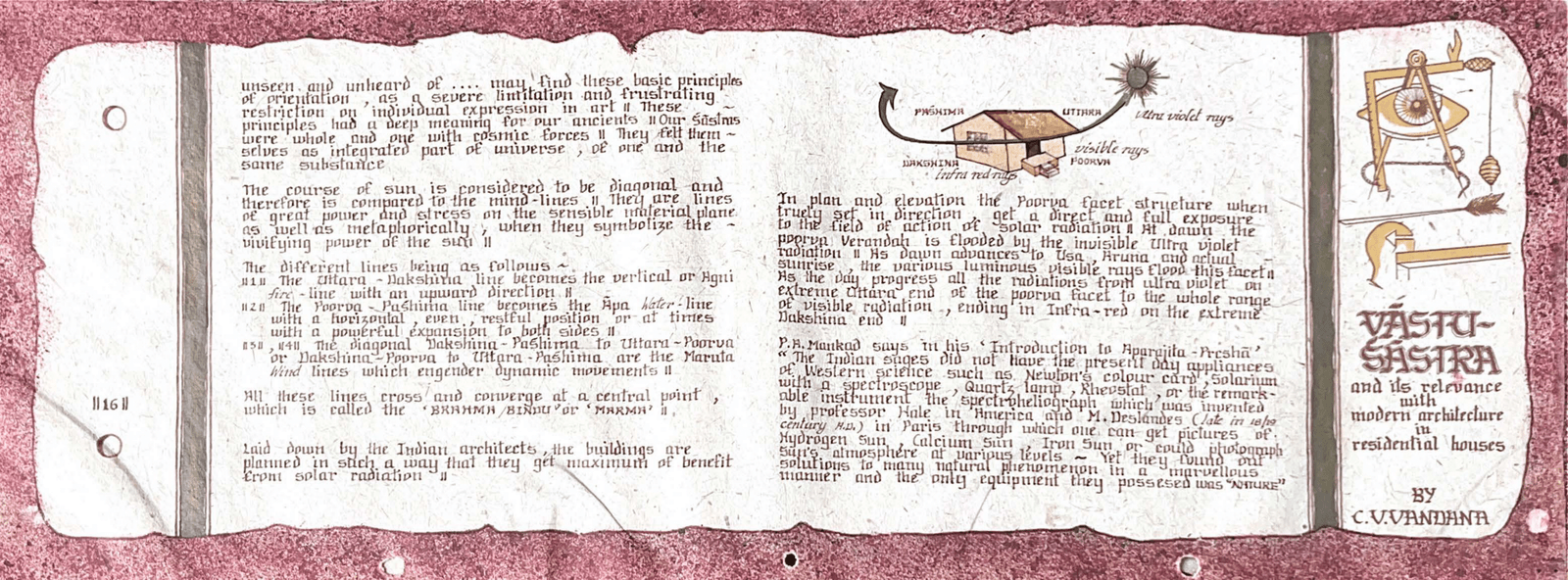
North is another significant direction due to its association with the earth’s magnetic field. Vastu Shastra recognizes that magnetic forces influence human physiology and mental state. Structures oriented toward the north are believed to benefit from a balanced magnetic flow. This orientation is traditionally associated with growth, stability, and financial well being. The science emphasizes that proper alignment with magnetic forces supports concentration and productivity.
South and west are treated with greater caution in Vastu Shastra. These directions are associated with intense heat and heavy energy. While they are not considered inherently negative, they require careful planning and balance. Orientation principles recommend controlling exposure in these directions through structural design. This ensures that excessive heat or stagnation does not affect the occupants adversely.
The orientation of a site is determined before any construction activity begins. Vastu Shastra places strong emphasis on site analysis. The shape of the plot, its slope, surrounding features, and directional alignment are all examined. A site that slopes toward the north or east is generally preferred, as it supports natural drainage and energy flow. Orientation is thus closely linked to land selection and site planning.
The orientation of entrances is another critical aspect discussed in Vastu Shastra. The main entrance acts as the primary point of energy exchange between the internal and external environment. Its direction determines the quality of energy entering the building. The science provides detailed guidance on selecting entrance directions based on the intended function of the structure and the nature of activities performed within.
Orientation also governs the internal zoning of spaces. Different functions are assigned to specific directional zones. This allocation is based on the elemental qualities associated with each direction. For example, areas requiring activity and energy are placed in zones that receive adequate sunlight, while spaces meant for rest and stability are located in calmer directional zones. This systematic arrangement ensures functional efficiency and energetic balance.
The orientation of rooms affects airflow and ventilation. Vastu Shastra recognizes the importance of natural ventilation in maintaining a healthy indoor environment. Properly oriented openings allow fresh air to circulate freely while preventing excessive heat or cold. This understanding reflects a deep awareness of climatic behavior and its impact on human comfort.
Orientation is also linked to the concept of time cycles. The movement of the sun throughout the day influences the suitability of activities in different spaces. Morning light is associated with clarity and freshness, while afternoon heat is more intense. Vastu principles align room placement with these natural cycles, ensuring that spaces are used in harmony with daily rhythms.
The orientation of water bodies and drainage systems is addressed within Vastu Shastra. Water is considered a vital element that must flow in harmony with natural gradients and directions. Improper orientation of water features can lead to stagnation or imbalance. Correct placement supports cleanliness, nourishment, and vitality within the environment.
Vastu Shastra also recognizes the influence of orientation on psychological well being. Exposure to natural light, views, and airflow affects mood and mental state. Well oriented spaces promote alertness, calmness, and emotional balance. This insight demonstrates that orientation is not only a physical consideration but also a psychological one.
The orientation of sacred and communal spaces holds particular importance. Temples, meditation areas, and gathering spaces are traditionally aligned to enhance collective harmony and spiritual focus. These alignments are based on centuries of experiential knowledge that observed the impact of direction on human perception and awareness.
Orientation principles were historically applied at the urban scale as well. Ancient towns and cities were planned with streets and public spaces aligned along cardinal directions. This planning facilitated efficient movement, climate responsiveness, and social organization. Orientation therefore extends beyond individual buildings to influence the structure of entire settlements.
The science of orientation also accounts for seasonal variations. The sun’s path changes throughout the year, affecting light and heat distribution. Vastu Shastra accommodates these variations by recommending design strategies that balance seasonal extremes. Proper orientation ensures comfort across different climatic conditions without excessive reliance on artificial systems.
Orientation plays a role in structural longevity as well. Buildings aligned with prevailing winds and natural forces experience less stress over time. This reduces wear and enhances durability. The integration of orientation principles therefore contributes to both environmental harmony and structural resilience.
The orientation of furniture and internal elements is considered an extension of spatial alignment. Vastu Shastra suggests that even small adjustments in orientation can influence comfort and efficiency. This attention to detail reflects the holistic nature of the science, where every element contributes to overall balance.
Orientation is not presented as a rigid rule set but as a guiding framework. Vastu Shastra allows practitioners to adapt principles based on context, climate, and cultural needs. This adaptability ensures relevance across different geographical regions and architectural styles.
Modern interpretations of Vastu Shastra continue to emphasize orientation due to its practical benefits. Even without symbolic understanding, the advantages of proper sunlight, ventilation, and spatial organization are evident. This demonstrates that orientation principles remain applicable in contemporary design.
The Orientation section ultimately reinforces the idea that buildings are living systems interacting with natural forces. Orientation determines how effectively this interaction occurs. By aligning structures with directional energies, Vastu Shastra seeks to create environments that support human life in a balanced and sustainable manner.
In continuity with the foundational ideas established in the introduction, orientation emerges as the first tangible expression of Vastu philosophy. It translates abstract principles into spatial decisions that shape daily experience. Through careful consideration of direction, Vastu Shastra bridges cosmic order and human habitation.
The study of orientation therefore becomes essential for anyone seeking to apply Vastu principles meaningfully. It provides the framework through which harmony with nature is achieved. By respecting directional forces, built spaces can become supportive environments that nurture health, clarity, and stability.
In conclusion, orientation in Vastu Shastra is not merely about facing a particular direction but about aligning life with natural order. It reflects an ancient understanding that space, time, and human activity are interconnected. When orientation is planned with awareness, architecture transforms into a medium that supports balanced living.