Introduction In today’s world, interiors often fall victim to the same “fast” culture that plagues fashion. Walk into any city apartment and you’ll likely find laminated MDF wardrobes, plastic-laminated coffee tables, or mass-produced seating affordable, glossy, and short-lived. But within a few years, these pieces chip, warp, or feel outdated, only to be discarded and …
Introduction
In today’s world, interiors often fall victim to the same “fast” culture that plagues fashion. Walk into any city apartment and you’ll likely find laminated MDF wardrobes, plastic-laminated coffee tables, or mass-produced seating affordable, glossy, and short-lived. But within a few years, these pieces chip, warp, or feel outdated, only to be discarded and replaced.
This “fast furniture” cycle is not just a design issue it’s an environmental and cultural one. Furniture waste clogs landfills, cheap imports undermine local crafts, and disposable interiors disconnect us from the stories our homes could tell.
India, however, offers a unique opportunity to rethink interiors. With its traditions of craftsmanship, abundant natural materials, and growing awareness of sustainability, we can shift from fast furniture to forever pieces designs that last, repair easily, and carry meaning.
What is Fast Furniture?
Fast furniture mirrors fast fashion: inexpensive, mass-produced, trendy, and disposable. Globally, millions of tonnes of furniture are discarded each year, much of it made from particleboard, laminates, and adhesives that off-gas harmful chemicals and cannot be recycled.
In India’s urban centers, fast furniture often comes in the form of:
- MDF or particleboard wardrobes with plastic laminate.
- Imported flat-pack furniture that relies on adhesives instead of solid joinery.
- Trend-driven sofas or dining tables with synthetic upholstery.
While affordable upfront, these pieces rarely survive beyond 5–7 years. They are difficult to repair, non-biodegradable, and quickly lose appeal.
The “Forever Pieces” Philosophy
Forever pieces aren’t just furniture that physically lasts longer they’re objects that:
- Use quality, repairable materials (solid wood, bamboo, stone, metal).
- Celebrate timeless design rather than chasing trends.
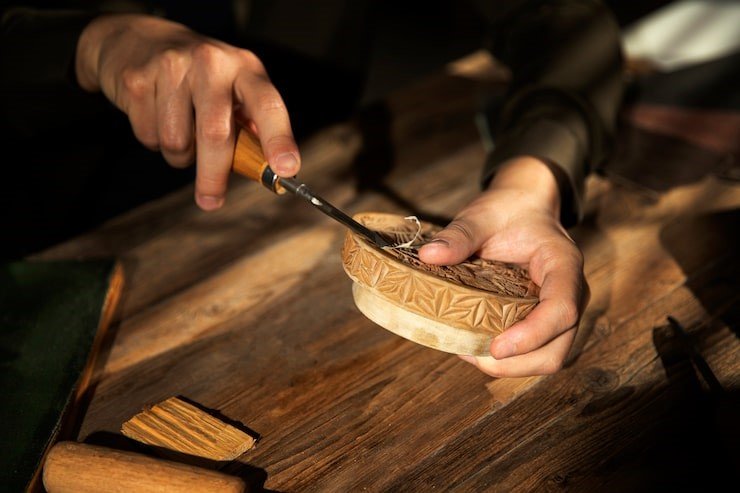
- Support local craft traditions, embedding cultural value.
- Adapt to change modular, versatile, and not locked to a single use.
- Aging with beauty materials like teak, brass, and stone acquire patina rather than degrading.
A forever piece grows with a family, is repaired instead of discarded, and often gets passed down generations.
The Legacy of Solid Teak
For decades, Indian homes used solid teakwood furniture: beds, wardrobes, and dining tables that were designed to last lifetimes. Many middle-class families still treasure old teak cabinets from the 1960s and 70s, passed down as heirlooms.
Why it worked:
- Teak’s natural oils make it resistant to termites and moisture.
- Solid joinery allowed for repairs parts could be replaced, re-polished, or refinished.
- The neutral, timeless designs didn’t age out of style.
Contrast with today:
Modern MDF wardrobes last 5 years, chip under humidity, and can’t be repaired once swollen. That old teak almirah? Still standing proud, often with just a new polish every decade.
Bamboo Furniture from Assam & Kerala
In regions like Assam, bamboo has been a furniture staple for generations. Chairs, stools, and woven daybeds made from bamboo not only supported livelihoods but also embodied low-carbon living.
Why it’s sustainable:
- Bamboo grows in 3–5 years, making it one of the fastest renewable resources.
- Local artisans master techniques that require little to no chemical treatment.
- Bamboo furniture is lightweight, strong, and biodegradable.
Modern revival:
Brands and NGOs in India are now working with bamboo artisans to create contemporary designs modular shelves, dining sets, and even office furniture that are stylish yet sustainable. Unlike fast furniture, these pieces can be repaired or composted at the end of life.
Upcycled Furniture from Jaipur
In Rajasthan, a growing number of studios are repurposing discarded materials into furniture. Old doors are transformed into coffee tables, reclaimed metal barrels into seating, and scrap wood into shelving.
Why it matters:
- Each piece carries history and uniqueness, unlike identical factory-made products.
- By upcycling, waste streams are diverted from landfills.
- The designs are often eclectic, aligning with global demand for one-of-a-kind interiors.
Example: Many heritage hotels in Jaipur proudly use furniture made from reclaimed doors and windows, blending sustainability with luxury. Guests don’t see “old furniture” they see craftsmanship, texture, and character.
Studio Mumbai’s Artisan Collaborations
Studio Mumbai, led by Bijoy Jain, is globally recognized for interiors and furniture deeply rooted in craft. Working with local carpenters, stonemasons, and metalworkers, their projects emphasize longevity and authenticity.
Key features:
- Solid joinery instead of adhesives.
- Locally sourced materials like stone, teak, and brass.
- Furniture that is integrated into the architecture, making it part of the home’s story.
These interiors aren’t about “trend” they are about timeless relationships between people, materials, and craft.
Practical Principles for Choosing Forever Pieces
Here’s how homeowners, designers, and architects in India can shift mindsets from fast to forever:
- Material First: Choose solid wood (teak, mango, sheesham), bamboo, stone, or metal over MDF and plastic laminates.
- Timeless Design: Avoid over-ornamentation or hyper-trendy colors. Neutral bases last longer; accents can change seasonally.
- Repairability: Look for mechanical joinery (screws, dowels) rather than glued assemblies.
- Local Craftsmanship: Commission from Indian artisan Rajasthan for stone, Kerala for cane, Assam for bamboo, Kashmir for walnut wood.
- Modularity: Select furniture that can adapt extendable dining tables, modular shelving, stackable stools.
- Maintenance Plans: Encourage clients to polish, oil, or refinish rather than discard.
The Cost Conversation
One of the biggest myths is that forever pieces are “too expensive.” Yes, solid teak furniture costs more upfront than a flat-pack MDF unit. But over 20 years, the solid teak cabinet will outlast 3 or 4 replacements of cheaper units. In the long run, forever pieces are more economical.
Moreover, supporting local crafts keeps money in the regional economy, builds skills, and reduces the carbon footprint of imports.
Environmental Benefits
Shifting to forever pieces also reduces environmental harm:
- Less Waste: Longer lifespan means fewer items reaching landfills.
- Lower Carbon Footprint: Local sourcing reduces emissions from transport.
- Better Indoor Air Quality: Natural finishes and low-toxin materials create healthier living environments.
- Circular Economy: Repair, reuse, and hand-me-down culture reduces demand for raw material extraction.
Cultural Benefits
In India, furniture has always been more than functional it’s cultural. From the charpai woven in courtyards to the ornate Kashmiri walnut carving, furniture carried memory and identity. Fast furniture, by contrast, erases culture in favor of global sameness.
Forever pieces preserve heritage, craft, and identity. They also anchor families with stories: “This table was made by your grandfather’s carpenter in 1970.” That is something no flat-pack purchase can replicate.
Modern Urban Applications
How can urban Indians, living in apartments, adopt this philosophy?
- Invest in one statement forever piece: A dining table, a bed, or a cabinet that will last decades.
- Mix old and new: Pair inherited furniture with modern accents.
- Opt for bamboo or reclaimed wood cabinetry instead of MDF.
- Commission artisan work: Many workshops now deliver across cities.
- Repurpose existing furniture: Reupholster sofas, refinish cabinets.
Step-by-Step Guide for a Conscious Interior
- Audit your current furniture identify pieces worth repairing.
- Replace only what’s essential with durable, artisan-made alternatives.
- For new purchases, ask: Can this last 20 years? If not, rethink.
- Create a maintenance schedule: polish, oil, or reupholster every few years.
- Involve local carpenters or artisans in customization they are often more affordable than assumed.
Conclusion
The interiors we design shape not only how we live but also how we impact the planet. Fast furniture offers convenience but at the cost of quality, culture, and sustainability. Forever pieces, on the other hand, are investments in longevity, beauty, and heritage.
India’s richness in crafts, materials, and cultural traditions gives us a unique advantage. By embracing solid wood, bamboo, reclaimed materials, and artisan collaborations, we can create homes that aren’t just stylish today but meaningful for generations.
A conscious home is not filled with more furniture it’s filled with fewer, better, lasting pieces. These are the pieces that tell stories, carry memory, and tread lightly on the Earth. And in that choice, we build homes that heal both us and the planet.