Blog

Home·Blogs

Category: Blogs

When I first stood before the Lotus Temple in Delhi, I felt an emotion that is rare in architecture: a sense of stillness that was not imposed, but invited. Here, in the midst of one of the most chaotic cities in the world, rises a building that speaks not in stone-heavy declarations but in soft …

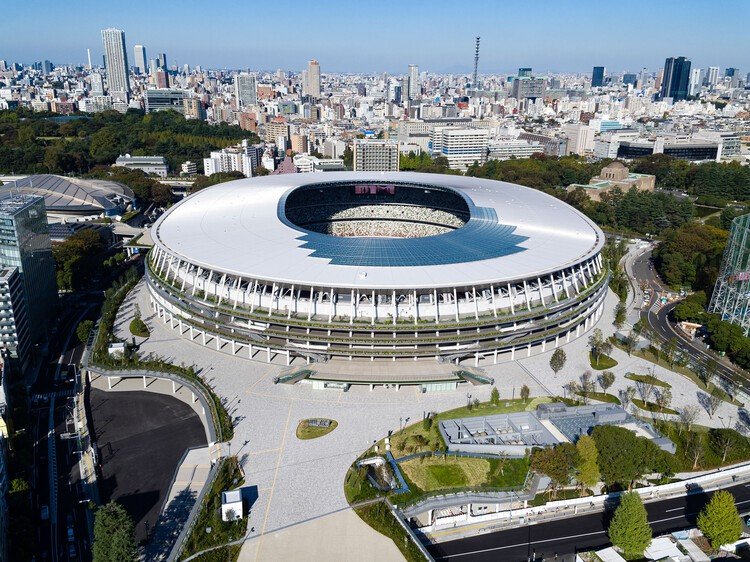
As architects, we are often confronted with paradoxes. Few are as daunting as the challenge of building something enormous while making it feel intimate, of creating a symbol for a nation while ensuring it remains human in scale, of accommodating 68,000 people yet making each one feel at home. The Japan National Stadium, completed in …

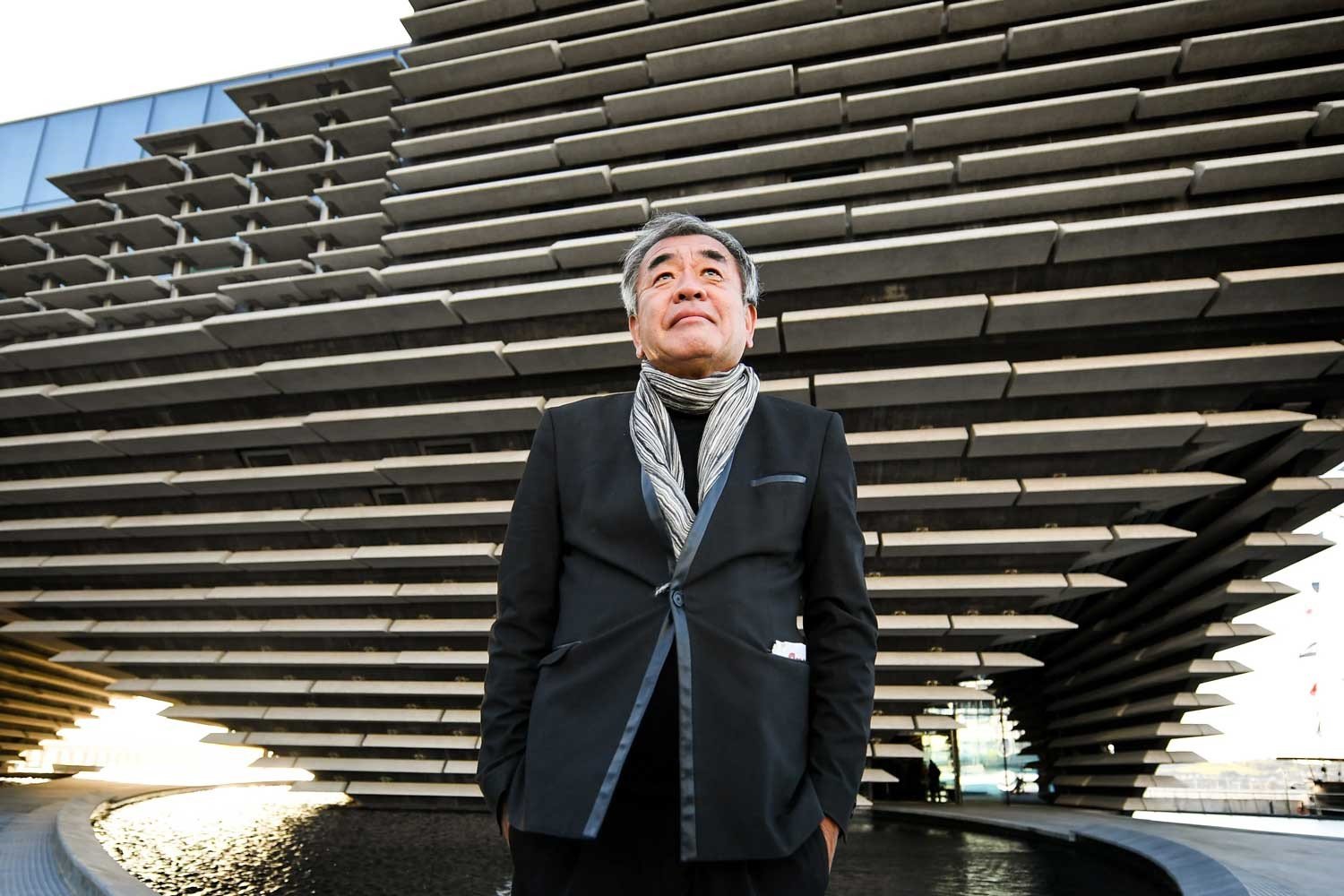
With this single line, Japanese architect Kengo Kuma captures the essence of his lifelong pursuit: an architecture that dissolves boundaries, embraces nature, and welcomes community. In a world where buildings are often celebrated for scale, spectacle, or technological bravado, Kuma’s work stands apart for its humility. His projects do not seek to dominate the landscape …

The Life Between Walls An architect often observes that the soul of a city is not confined within buildings, but flows through the spaces between them. These are the streets, courtyards, plazas, thresholds, verandas, gardens, and promenades that stitch urban fabric into lived experience. Buildings may be the nouns of architecture, but the in-between spaces …

For centuries, architecture has been the negotiation between hand and mind. The mason’s chisel, the carpenter’s saw, the weaver’s loom these were tools that not only shaped materials but also shaped culture. Craft gave architecture its intimacy, its ability to resonate with place and people. Yet the 21st century introduces new tools: algorithms, robotic arms, …

Architecture is often described as the art of building. Yet beneath its structural, aesthetic, and functional layers lies a deeper dimension: psychology. Spaces do not merely shelter; they affect how people think, feel, and behave. From the calming hush of a cathedral nave to the stress-inducing glare of an overlit office, architecture subtly scripts human …

For decades, “green building” has conjured images of vertical gardens, solar panels, and rating systems adorned with stars or plaques. While these gestures once symbolized progress, the climate crisis has outpaced them. The question for architects is no longer how to make buildings “less bad,” but how to make them actively good. Enter net-zero and …

Modern architecture is often celebrated through its iconic forms, technological innovations, or symbolic gestures. Yet some of the most impactful climate strategies are not flashy or photogenic; they work quietly, almost invisibly. They are the “unsung heroes” of climate resilience cool roofs, responsive facades, shading devices, courtyards, and passive ventilation systems. For an architect, these …

Architecture has long carried the burden of permanence. From temples that have stood for centuries to colonial bungalows still dotting Indian cities, buildings were historically imagined as static, monumental, and immovable. Yet in a world shaped by rapid urbanization, shifting demographics, climate uncertainty, and evolving technology, permanence can be a liability. The new architectural challenge …