Why Conscious Interiors Matter Sustainable design is no longer a buzzword reserved for architectural journals it’s now a way of living. While much attention has been placed on sustainable buildings, the interiors we design and live in every day also carry immense potential to heal both the planet and the people within. In India, where …

Table of Contents
- Why Conscious Interiors Matter
- Why Conscious Interiors Matter
- Case Study 1: Auroville Earth Institute, Tamil Nadu
- Case Study 2: The Earth House, Gujarat
- Case Study 3: Bamboo House India
- Case Study 4: Studio Mumbai, Maharashtra
- Materials & Finishes: A Quick Guide for India
- Designing for Indian Climates
- Retrofit Strategies for Apartments
- Financial & Lifestyle Benefits
- Objections & Rebuttals
- Simple Checklist for a Conscious Interior
- Closing Thoughts
Why Conscious Interiors Matter
Sustainable design is no longer a buzzword reserved for architectural journals it’s now a way of living. While much attention has been placed on sustainable buildings, the interiors we design and live in every day also carry immense potential to heal both the planet and the people within.
In India, where climatic diversity, resource pressures, and cultural richness intersect, conscious interiors take on a deeper meaning. A “conscious home” is not just about eco-friendly finishes it’s about material intelligence, passive comfort, and spaces that support both community and personal well-being.
Let’s walk through guiding principles, real-world Indian case studies, and practical strategies you can use to make any home from a city apartment to a rural villa a conscious interior that looks beautiful and lives lightly.
Why Conscious Interiors Matter
Before diving into examples, here are six principles to anchor any project:
- Use Local, Low-Embodied Carbon Materials
Earth plasters, bamboo, reclaimed wood, and stone from nearby sources cut emissions and embed cultural character into the home.
- Prioritise Passive Comfort
Ventilation, daylight, shading, and thermal mass often outperform mechanical systems while reducing long-term costs.
- Choose Non-Toxic Finishes
Low-VOC paints, lime plasters, and natural sealants improve indoor air quality and reduce health risks.
- Design for Longevity and Repair
Furniture and fixtures should be easy to repair, reassemble, or recycle not disposable.
- Embrace Circular Design
Upcycling, reusing, and designing with disassembly in mind keep materials out of landfills.
- Support Local Craft and Economy
Commissioning from artisans supports livelihoods, strengthens local identity, and reduces transport emissions.
Case Study 1: Auroville Earth Institute, Tamil Nadu
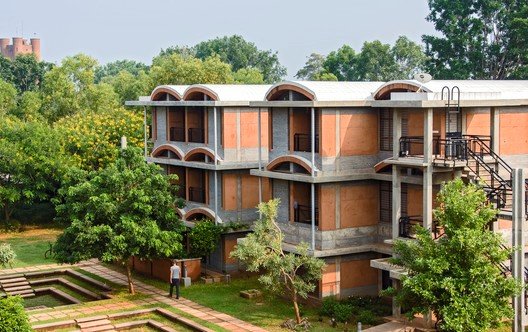
Auroville has long pioneered earth-based construction, but their philosophy extends indoors. Interiors finished with compressed stabilized earth blocks (CSEB) and lime plasters create spaces that breathe naturally.
Why it matters:
- Earth walls regulate temperature, keeping interiors cooler in Tamil Nadu’s heat.
- Natural plasters moderate humidity and improve comfort.
- Locally produced CSEB reduces transport energy and carbon footprint.
Interior details:
- Exposed earth or lime-washed walls with warm, tactile textures.
- Niches built into thick walls serve as shelves, reducing extra furniture.
- Clerestory windows and double-height voids promote air circulation.
Takeaway: Even if full earth walls aren’t feasible in apartments, earth plaster accent walls or rammed-earth partitions can bring thermal and aesthetic benefits indoors.
Case Study 2: The Earth House, Gujarat
Designed with thick rammed-earth walls and locally sourced timber, the Earth House shows how interiors can merge seamlessly with structure. Indoor temperatures remain significantly cooler than outside, even during Gujarat’s hottest months.

Why it matters:
- High thermal mass walls act as a natural “AC.”
- Interiors use timber and recycled wood, combining warmth with durability.
- Simple joinery makes furniture long-lasting and repairable.
Adaptation for urban homes: Use stone or reclaimed-wood cladding, heavy furniture for thermal mass, and cross-ventilation design in apartments.
Case Study 3: Bamboo House India
Bamboo is gaining recognition as a structural and interior material in India. With engineered bamboo panels and composites now available, it offers a renewable alternative to timber.

Why it matters:
- Bamboo grows in 3–5 years, making it highly renewable.
- It’s versatile usable for cabinetry, partitions, blinds, or furniture.
- Artisanal bamboo crafts link modern interiors to India’s cultural heritage.
Practical uses:
- Engineered bamboo boards for kitchens and wardrobes.
- Woven bamboo screens for daylight control.
- Bamboo composites for sleek, contemporary furniture.
Takeaway: With proper treatment and engineering, bamboo interiors are strong, stylish, and deeply sustainable.
Case Study 4: Studio Mumbai, Maharashtra
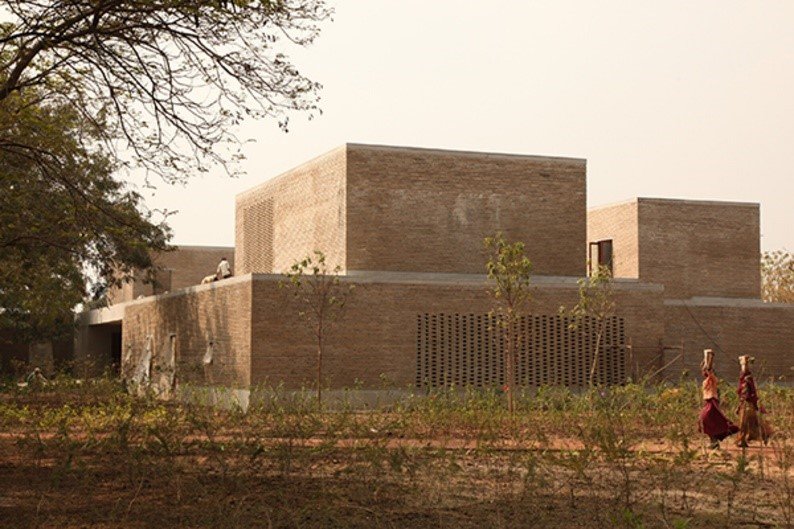
Bijoy Jain’s Studio Mumbai is renowned for working closely with artisans, creating interiors that are timeless, handmade, and deeply sustainable.
Why it matters:
- Handmade furniture lasts longer and is easier to repair.
- Local sourcing reduces transport emissions.
- Material honesty stone, timber, lime encourages maintenance rather than disposal.
Interior principles:
- Design furniture for disassembly and repair.
- Use hand-applied lime washes or oils for natural finishes.
- Commission timeless artisan-made pieces instead of mass-produced furniture.
Materials & Finishes: A Quick Guide for India
- Earth & Lime Plaster: Breathable, healthy, reduces humidity swings.
- Engineered Bamboo: Renewable, versatile for cabinetry and cladding.
- Reclaimed Timber: Characterful, durable, reduces deforestation.
- Natural Paints & Oils: Improves indoor air quality.
- Textiles in Cotton, Jute, Coir: Biodegradable, locally sourced, low energy footprint.
Designing for Indian Climates
India’s climate zones require thoughtful strategies for interiors:
- Hot-dry regions (Rajasthan, Gujarat): Thick walls, shaded courtyards, stone or earth finishes indoors.
- Hot-humid regions (Kerala, Bengal): Cross-ventilation, bamboo blinds, breathable finishes.
- Composite climates (Delhi, Lucknow): Flexible interiors that manage both heat and cold insulation plus operable windows.
- Moderate regions (Bengaluru, Pune): Maximise natural ventilation and daylight; minimal artificial cooling needed.
Retrofit Strategies for Apartments
Not everyone lives in a rammed-earth villa. Here’s how to bring conscious design into urban flats:
- Replace MDF cabinetry with bamboo panels.
- Create a clay or lime plaster feature wall.
- Install operable louvres or ventilators for airflow.
- Refinish existing furniture instead of replacing it.
- Use handwoven khadi, jute, or coir textiles.
- Introduce indoor plants alongside non-toxic finishes.
Financial & Lifestyle Benefits
Clients often ask, “Is it worth it?” The answer: absolutely.
- Lower lifecycle costs: Durable, repairable interiors save money long term.
- Resale value: Documented sustainable features increase property appeal.
- Health benefits: Better air quality, natural light, and thermal comfort improve well-being.
Objections & Rebuttals
- “It’s expensive.” → Passive design and local materials often cost less over the life of the home.
- “Eco looks rustic.” → Showcase modern examples like Studio Mumbai’s refined artisan interiors.
- “We can’t do this in apartments.” → Even small interventions (earth plaster, bamboo cabinetry, natural textiles) make a big difference.
Simple Checklist for a Conscious Interior
- Use at least one locally sourced natural material.
- Replace MDF with bamboo or reclaimed wood.
- Paint with low-VOC or natural lime washes.
- Design joinery for repair and disassembly.
- Maximise daylight with reflective surfaces.
- Provide cross-ventilation and ceiling fans.
- Commission at least one artisan-made furniture piece.
- Avoid plastic-heavy textiles; choose natural fibers.
- Include indoor plants and breathable finishes.
- Document material choices for clients.
Closing Thoughts
A conscious home is not about compromise it’s about creating interiors that are healthier, more comfortable, and timeless. The examples from Auroville, Gujarat, Bamboo House India, and Studio Mumbai prove that sustainability can be stylish, affordable, and deeply rooted in Indian contexts.
As designers, we hold the power to shift interiors away from “fast furniture” and disposable trends, towards spaces that people cherish and care for. When clients step into their homes and feel cooler air, breathe cleaner air, and touch materials that tell a story, they aren’t just experiencing design they’re experiencing care.
That is the true essence of a conscious home.