Designing for Diversity, Equity & Universal Learning Education is meant to be universal accessible to every individual regardless of physical ability, cognitive differences, social background, culture, gender identity, or learning style. But the truth is, many traditional educational spaces were not designed with inclusivity at their core. Long corridors, rigid classrooms, inaccessible entrances, overstimulating environments, …
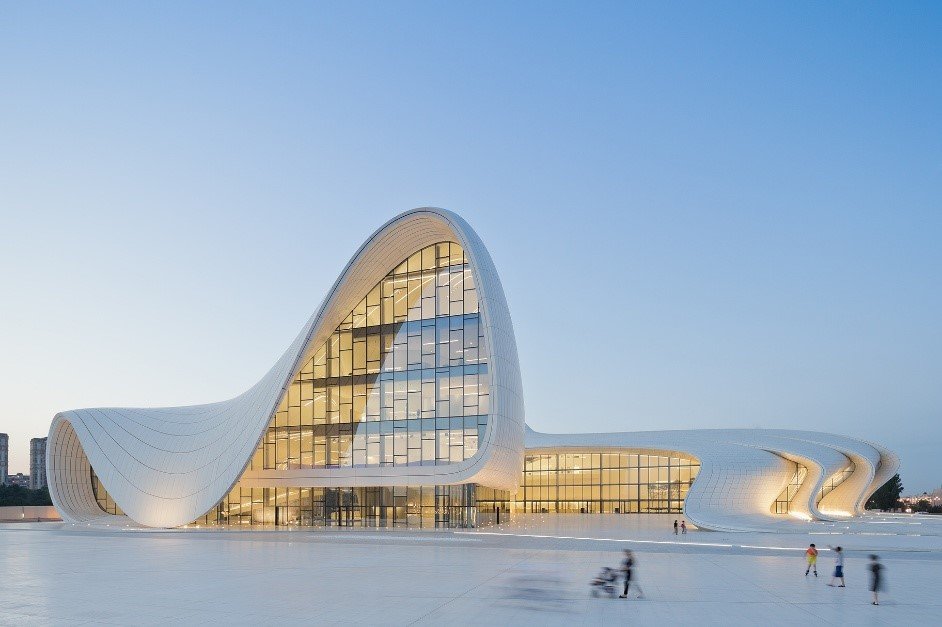
Table of Contents
- 1. What Is Inclusive Education Architecture?
- 2. Why Inclusive Architecture Is Essential
- 3. The Core Principles of Inclusive Educational Architecture
- 4.1 Sensory Considerations
- 5.1 Flexible Classrooms
- 6.1 Community-Centric Planning
- 7.1 Safe Spaces
- 8.1 Open Circulation & Flow
- 9.1 Barrier-Free Design
- 10. How Zaha Hadid’s Philosophy Guides Inclusive Learning Design
- 11. The Blueprint for Designing an Inclusive Educational Campus
- 12. Future of Inclusive Educational Architecture
Designing for Diversity, Equity & Universal Learning
Education is meant to be universal accessible to every individual regardless of physical ability, cognitive differences, social background, culture, gender identity, or learning style. But the truth is, many traditional educational spaces were not designed with inclusivity at their core. Long corridors, rigid classrooms, inaccessible entrances, overstimulating environments, and standardized layouts often disadvantage the very groups schools aim to uplift.
Inclusive education demands more than just policies or curriculum it demands architectural transformation. Architecture shapes learning, emotions, identity, accessibility, dignity, and opportunity. It influences how students move, behave, participate, and ultimately, how they feel about themselves.
We will explore how architecture can create inclusive learning environments for every learner addressing physical, sensory, cognitive, emotional, and socio-cultural diversity. We also look at real-world inspiration from Zaha Hadid, whose fluid, boundary-breaking designs transformed public spaces into inclusive and inspiring experiences.
1. What Is Inclusive Education Architecture?
Inclusive architecture is more than just accessibility compliance. It is the intentional design of environments that ensure:
- Equal participation
- Comfort for diverse bodies and minds
- Flexibility for varied learning styles
- Welcoming spaces for marginalized communities
- Support for neurodiverse learners
- Barrier-free movement and navigation
Inclusive spaces consider every learner:
- Students with physical disabilities
- Learners with autism, ADHD, dyslexia
- Children with sensory sensitivities
- Students from diverse cultures and linguistic backgrounds
- Gender-diverse learners
- Students with social anxiety
- Economically disadvantaged communities
Architecture becomes the bridge between diversity and equal opportunity.
2. Why Inclusive Architecture Is Essential
Inclusive design is not just a “good-to-have” it is a necessity driven by research, ethics, and educational outcomes.
2.1 Spaces Influence Learning Outcomes
Studies show:
- Comfortable, accessible spaces improve attendance.
- Natural and sensory-friendly environments reduce stress.
- Flexible spaces enhance engagement across learning styles.
2.2 Environments Shape Identity & Belonging
Students who feel welcomed and represented in physical spaces:
- participate more
- collaborate better
- experience higher self-worth
- perform better academically
2.3 Inclusivity Reflects Real-World Values
Schools mirror the society we aim to build: diverse, accessible, respectful, and equitable.
3. The Core Principles of Inclusive Educational Architecture
There are five central design principles that define universally inclusive learning environments.
Principle 1: Accessibility Beyond the Basics
Accessibility goes past ramps and railings. It involves creating effortless, dignified and independent movement and participation.
3.1 Physical Accessibility
Key elements include:
- Step-free circulation
- Wide corridors for wheelchair access
- Elevators placed centrally
- Gentle gradient ramps
- Accessible toilets on every floor
- Lowered door handles and switches
- Automatic doors
But inclusivity requires seamlessness, not “special provisions”.
3.2 Cognitive and Visual Wayfinding
Wayfinding supports:
- Students with cognitive disabilities
- Young children
- Neurodivergent learners
- Visitors and parents
Tools include:
- Colour-coded zones
- Icons and visual cues
- Intuitive signage
- Predictable spatial organization
- Clear sightlines
- Natural light guiding movement
3.3 Acoustic Accessibility
Good acoustics are crucial for:
- Students with hearing impairments
- Students with ADHD or autism
- Young learners in noisy environments
Design strategies:
- Acoustic panels
- Soft flooring
- Sound insulation
- Noise-buffering courtyard placement
Principle 2: Designing for Neurodiversity
Neurodiversity includes autism, ADHD, dyslexia, and other cognitive differences. These learners often experience sensory overload in poorly designed schools.
4.1 Sensory Considerations
Create:
- Calm zones for decompression
- Low-stimulation classrooms
- Adjustable lighting
- Soft, matte colours
- Acoustic control
- Predictable layouts
4.2 Multiple Learning Zones
Recognize differences in:
- attention
- sensory processing
- movement needs
Include:
- quiet study pods
- collaborative hubs
- movement-friendly corridors
- sensory rooms
- standing desks
- relax-and-reset areas
4.3 Controlled Lighting
Avoid:
- flickering fluorescent lights
- harsh spotlights
Use:
- natural light
- warm LEDs
- dimmable lights
Principle 3: Flexibility & Adaptability
Inclusive education requires learning spaces that adapt to different:
- teaching methods
- age groups
- learning styles
- group sizes
- cognitive needs
5.1 Flexible Classrooms
Including:
- movable furniture
- multi-height seating
- reconfigurable partitions
- amphitheatre-style steps
- standing/sitting options
5.2 Shared Multi-Use Spaces
Instead of single-purpose rooms, inclusive architecture benefits from:
- maker labs
- library–café blends
- art + science fusion studios
- open indoor courtyards
- learning commons
5.3 Outdoor Learning Integration
Outdoor environments support:
- sensory regulation
- physical movement
- social learning
Provide:
- shaded classrooms
- sensory gardens
- courtyards
- open amphitheatres
Principle 4: Culturally Responsive Architecture
Inclusivity also addresses culture, identity, and representation.
6.1 Community-Centric Planning
Schools should:
- reflect local culture
- incorporate familiar materials
- celebrate heritage
- include multilingual signage
6.2 Gender-Inclusive Design
Examples:
- all-gender toilets
- private changing rooms
- spatial safety for all genders
6.3 Spaces That Promote Equality
Designing:
- level platforms (not elevated podiums)
- democratic seating arrangements
- transparent classrooms
helps reduce hierarchical barriers.
Principle 5: Emotional & Social Inclusion
Architecture influences how students feel.
7.1 Safe Spaces
Design features:
- visible circulation
- soft edges
- low-noise interiors
- warm materials
increase emotional comfort.
7.2 Areas for Social Growth
Include:
- informal seating nooks
- large group spaces
- calming private spaces
- peer collaboration corners
7.3 Biophilic Design
Natural elements:
- reduce anxiety
- improve attention
- support emotional stability
Use:
- indoor plants
- green walls
- courtyards
- natural materials
4. Architect Spotlight: Zaha Hadid & Inclusive Space
While Zaha Hadid (1950–2016) is often remembered for her bold, futuristic, fluid forms, she was deeply committed to designing spaces that felt open, empowering, and inclusive. Her architecture breaks hierarchical boundaries, creates fluid movement, and dissolves spatial barriers essential values for inclusive environments.
Her designs emphasize:
- accessibility through continuity
- open, democratic space planning
- intuitive wayfinding
- movement-friendly layouts
- spatial equality
Below are two examples that reflect inclusive design principles relevant to educational environments.
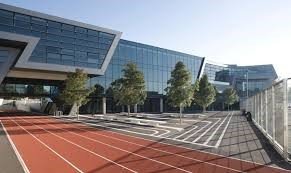
EXAMPLE 1: Evelyn Grace Academy, London (2010)
Zaha Hadid Architects
This award-winning school is a powerful representation of inclusive educational design.
8.1 Open Circulation & Flow
Hadid designed the building around movement:
- clear sightlines
- wide corridors
- intuitive navigation
- interlinked learning zones
Inclusive architecture thrives on clarity and flow Evelyn Grace embodies this.
8.2 A “School Within a School” Concept
The academy is divided into four smaller “schools”, supporting:
- individual student needs
- different learning styles
- varied academic streams
This fosters personal connection and removes intimidation associated with large institutions.
8.3 Adaptable Learning Spaces
Classrooms are:
- flexible
- modular
- connected through shared zones
This promotes multi-modal education.
8.4 Highly Accessible Layout
The campus has:
- step-free paths
- smooth circulation
- strategically placed entries
It ensures equal access for all physical abilities.
8.5 Integrated Sports Facilities
Inclusive education values physical literacy. The central running track emphasizes:
- movement
- physical comfort
- whole-body learning
Evelyn Grace Academy received the RIBA Stirling Prize an indication of its excellence in inclusive educational architecture.
EXAMPLE 2: The Heydar Aliyev Centre, Baku (2012)
While not an academic building, this cultural and public learning centre is one of the greatest examples of universal, accessible, inclusive space on a monumental scale.
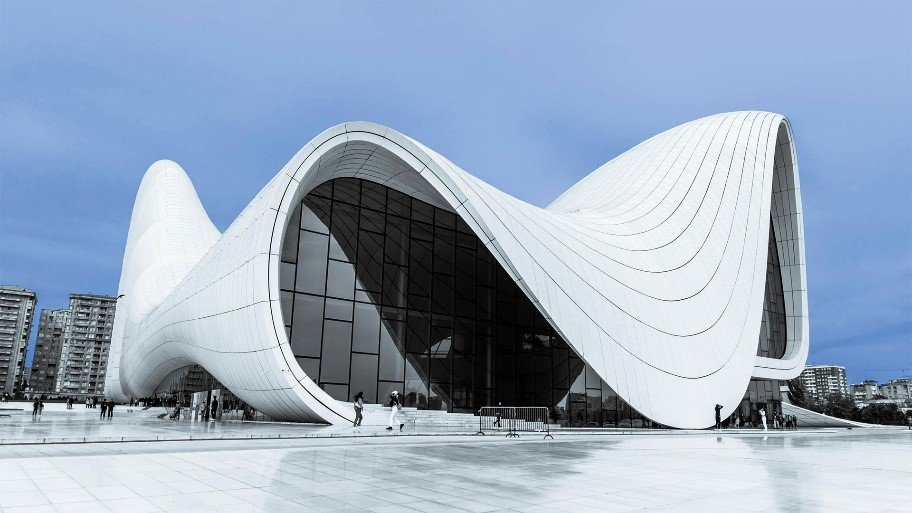
9.1 Barrier-Free Design
The building’s iconic fluid form:
- eliminates hard edges
- reduces visual barriers
- creates seamless transitions
- supports intuitive movement
This is exactly what inclusive educational spaces strive for.
9.2 Democratic Interiors
There are:
- no hierarchical levels
- no rigid separation of spaces
- no confusing sharp corners
This allows visitors of every age and ability to move freely and confidently.
9.3 Sensory-Friendly Curves
Organic forms reduce:
- anxiety
- overstimulation
- stress
and promote comfort critical for neurodiverse learners.
9.4 Cultural Inclusivity
The centre celebrates cultural exchange and learning, embodying:
- community belonging
- representation
- shared identity
These values translate directly into inclusive school design.
10. How Zaha Hadid’s Philosophy Guides Inclusive Learning Design
Hadid believed that architecture should:
- empower people
- unite communities
- remove perceived barriers
- create democratic, accessible, uplifting spaces
Her principles inspire inclusive education design in the following ways:
10.1 Open Flow Enhances Accessibility
Fluid circulation supports students with mobility, sensory, or cognitive differences.
10.2 No Hierarchy in Space
Students feel equal to staff, reducing psychological barriers.
10.3 Organic Forms Support Emotional Comfort
Curves and flowing spaces improve wellbeing especially for sensitive learners.
10.4 Spatial Flexibility Encourages Diverse Learning Styles
Hadid’s large, open interiors can be adapted for group learning, quiet study, or collaborative activity.
11. The Blueprint for Designing an Inclusive Educational Campus
Below is a detailed guideline for creating an inclusive school or university.
11.1 Universal Design Principles
- equitable use
- simple navigation
- perceptible information
- low physical effort
11.2 Diagonal and Curved Circulation Paths
Curves reduce overstimulation, improve flow, and support intuitive wayfinding.
11.3 Tier-Free Classrooms
Avoid high podiums; prioritize:
- circular seating
- flat layouts
- equal vantage points
11.4 Sensory-Zoned Classrooms
Integrate:
- quiet zones
- tactile learning corners
- movement spaces
11.5 Diverse Furniture Options
Include:
- bean bags
- stools
- soft seats
- bar-height desks
- floor seating
11.6 Inclusive Outdoor Environments
- wheelchair-accessible gardens
- sensory landscapes
- shaded reading corners
11.7 Culturally Sensitive Materials
Use:
- local patterns
- multilingual signage
- community artwork
12. Future of Inclusive Educational Architecture
The next generation of inclusive design will integrate:
12.1 Neurodiversity Hubs
Dedicated therapy + learning spaces.
12.2 Technology Accessibility
- voice navigation
- AI-based acoustic correction
- sensory-adjustable environments
12.3 Hybrid Learning Zones
Blending digital + physical learning.
12.4 Community-Centred Shared Spaces
Campuses becoming community hubs for inclusive growth.
Conclusion: Designing for Every Learner
Inclusive education architecture is not about providing equal facilities it is about providing equitable opportunities. Every student deserves:
- dignity
- accessibility
- representation
- emotional comfort
- sensory consideration
- flexible learning
- cultural acceptance
Architects like Zaha Hadid remind us that buildings can be more than functional they can be empowering, democratic, and deeply human.
When we design schools that embrace differences instead of ignoring them, we create environments where every learner thrives.
The future of education depends on architecture that sees every child.