The world of education is transforming at a speed never seen before. From AI-integrated learning to collaborative work cultures, from climate-responsible architecture to immersive tech-driven classrooms today’s campuses must adapt to a future that is dynamic, digital, global, and deeply interconnected. A “future-ready campus” is more than a collection of classrooms and buildings. It is …
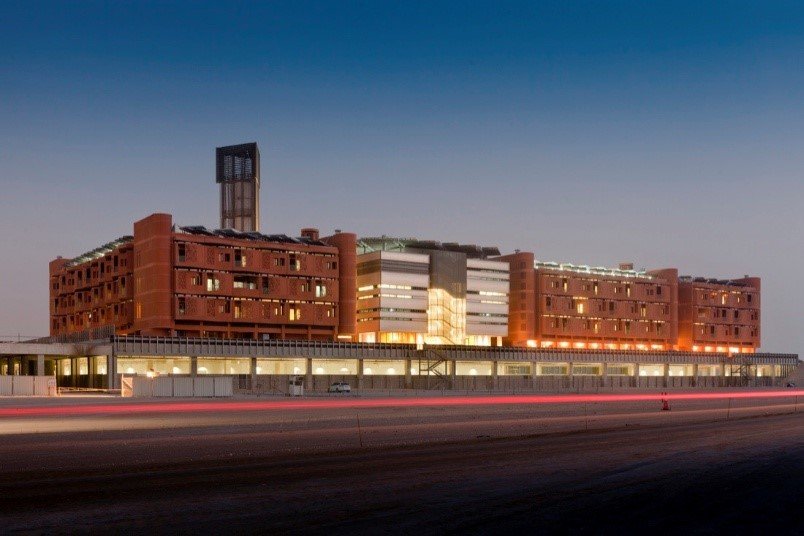
Table of Contents
- 1. Why Future-Ready Campuses Matter More Today Than Ever Before
- 2. The Three Pillars of a Future-Ready Campus: Technology, Flexibility & Sustainability
- 3.1 Adaptable Learning Spaces
- 4.1 Passive Design Principles
- 5. Real-World Inspiration: Architect Norman Foster
- 6.1 Smart & Sustainable Design
- 7. How Future-Ready Principles Apply to School & University Campuses
- 8. Lessons from Norman Foster for Future-Ready Campus Design
- 9. Building a Future-Ready Campus: The Blueprint
- 10. Conclusion: The Campus of Tomorrow
The world of education is transforming at a speed never seen before. From AI-integrated learning to collaborative work cultures, from climate-responsible architecture to immersive tech-driven classrooms today’s campuses must adapt to a future that is dynamic, digital, global, and deeply interconnected.
A “future-ready campus” is more than a collection of classrooms and buildings. It is an ecosystem that:
- embraces technology effortlessly,
- adapts to changing learning styles,
- performs sustainably,
- and creates environments where innovation thrives.
We dive deep into how architects are shaping campuses for the next era of learning where flexibility meets cutting-edge tech and sustainability becomes the foundation of design.
We will also look at real-world examples by Norman Foster, one of the most influential architects of our time, whose work demonstrates how the right design approach can transform both learning and the planet.
1. Why Future-Ready Campuses Matter More Today Than Ever Before
Education is no longer confined to textbooks and chalkboards. Students today learn:
- collaboratively rather than individually,
- through digital tools as much as physical ones,
- in dynamic environments instead of static spaces,
- and with a strong awareness of global sustainability challenges.
A future-ready campus anticipates these needs and builds for them.
1.1 The Modern Learner Has Changed
Learners today:
- multitask
- engage through hands-on problem solving
- expect digital integration
- value freedom of movement
- learn both online and offline
Rigid classrooms from the industrial age do not serve today’s creative, tech-savvy students.
1.2 The World Itself Is Changing
Global issues like climate change, resource scarcity, and declining environmental health demand campuses that:
- reduce energy usage
- produce renewable energy
- minimize waste
- support ecological resilience
A campus is no longer just a place of education—it is a role model for sustainable living.
1.3 Technology Is Reshaping Knowledge Systems
From AR/VR to AI-assisted learning, technology is redefining:
- how content is delivered
- how teachers interact
- how students collaborate
Designing campuses without anticipating technological evolution risks early obsolescence.
2. The Three Pillars of a Future-Ready Campus: Technology, Flexibility & Sustainability
A truly future-proof educational environment sits at the intersection of three interdependent pillars.
PILLAR 1: Technology Integration
Technology is not an “add-on” anymore it is woven into every fabric of modern learning.
2.1 Smart Classrooms
A smart classroom includes:
- Interactive digital boards
- Wireless projection
- IoT-integrated devices
- Occupancy sensors
- Adaptive lighting
These features support digital literacy while reducing cognitive burden on educators.
2.2 Campus-Wide Connectivity
A future-ready campus is a seamless digital landscape offering:
- High-speed Wi-Fi everywhere
- Cloud-based learning tools
- Virtual learning studios
- Remote-learning integration
- AI-enabled monitoring of energy, space and usage
Connectivity transforms learning from a location-specific activity to a dynamic, borderless experience.
2.3 Immersive Technologies
Emerging tools redefine “experience-based learning”:
- Virtual Reality (VR): immersive simulations
- Augmented Reality (AR): interactive overlays during lessons
- Digital twins: virtual replicas for engineering and design studies
- AI-enabled labs: real-time data analysis and feedback
Such tools create opportunities for learners that were once impossible in physical spaces.
2.4 Automated Operations
Building automation systems (BAS) manage:
- climate control
- lighting
- security
- energy use
- occupancy
A smart campus becomes more efficient, safe, and cost-effective.
PILLAR 2: Flexibility in Design
Flexibility ensures that a campus remains relevant in the face of pedagogical shifts, technological advancements, and evolving societal needs.
3.1 Adaptable Learning Spaces
Future-ready classrooms should allow:
- rearranging furniture
- combining spaces through movable partitions
- multiple teaching formats (lecture, discussion, project-based, digital)
Flexibility transforms a static classroom into a multi-dimensional learning environment.
3.2 Modular Architecture
Modular components help:
- add new blocks quickly
- transform floors into new departments
- reconfigure interior layouts as needs change
This is crucial in universities where programs evolve annually.
3.3 Multi-Use Zones
Spaces now serve multiple purposes:
- staircases become amphitheatres
- corridors become collaboration hubs
- roofs become green learning terraces
- courtyards become outdoor classrooms
A flexible campus eliminates dead zones and maximizes usability.
3.4 Blended Learning Environments
A future-ready campus creates spaces for:
- digital learning studios
- hybrid classrooms
- self-study pods
- maker labs
- quiet zones
- interactive hubs
This acknowledges the diversity of learning styles among students.
PILLAR 3: Sustainability
The campus of the future must contribute positively to the environment rather than draining it.
4.1 Passive Design Principles
Future-focused architecture reduces energy consumption by using:
- optimal building orientation
- natural ventilation
- sun-shading devices
- insulation strategies
- daylight-maximizing windows
This reduces operational costs and environmental impact.
4.2 Renewable Energy Integration
Leading campuses now use:
- solar photovoltaic roofs
- geothermal heating
- wind turbines
- biomass systems
They generate significant portions of their own energy.
4.3 Green Infrastructure
Sustainable campuses include:
- rainwater harvesting
- green roofs
- bioswales
- native landscaping
Such features improve air quality, biodiversity, and climate resilience.
4.4 Sustainable Materials and Low-Carbon Design
Materials like:
- recycled steel
- engineered timber
- rammed earth
- low-VOC finishes
- carbon-capturing concrete
help reduce carbon footprint significantly.
4.5 Waste and Resource Management
A future-ready campus promotes:
- zero-waste policies
- recycling ecosystems
- sustainable food systems
- composting zones
- low-energy appliances
Students not only learn sustainability they live it.
5. Real-World Inspiration: Architect Norman Foster
To understand how future-ready principles translate into real architecture, we turn to Norman Foster, founder of Foster + Partners, known globally for human-centred, tech-integrated, and sustainable design.
Foster’s philosophy is simple yet transformative:
“The architecture of the future must be light, flexible, green, and technologically intelligent.”
Below are two projects that perfectly reflect the theme of future-ready campuses.
EXAMPLE 1: The Masdar Institute of Science and Technology, Abu Dhabi (2009)
(Designed by Foster + Partners)
The Masdar Institute campus is one of the world’s most advanced experiments in sustainability-driven educational architecture.
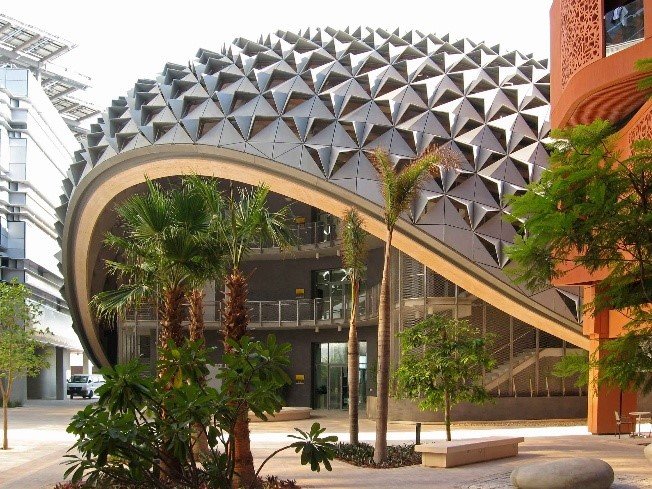
Key Features That Make It a Future-Ready Campus
5.1 Energy-Efficient Planning
Masdar uses:
- passive cooling
- narrow streets for shade
- wind towers to direct breezes
- 70–80% less energy than conventional buildings in the region
An exemplary fusion of tradition and innovation.
5.2 Technology-Integrated Learning Zones
The campus incorporates:
- smart lab management systems
- digital research studios
- high-energy computational hubs
- AI-driven climate monitoring
This makes it a global centre for advanced research.
5.3 Smart Mobility
The campus originally tested:
- autonomous transport vehicles
- clean-energy mobility systems
A precursor to smart mobility integration in educational campuses.
5.4 Sustainable Materials
Foster used:
- low-carbon materials
- high-insulation facades
- solar technologies
The entire campus operates as a carbon-conscious ecosystem.
5.5 Collaboration-Focused Layout
Spaces are designed for:
- spontaneous collaboration
- interdisciplinary research
- community interaction
Every pathway encourages intellectual cross-pollination.
Why This Matters
Masdar Institute shows how campuses can lead the world in sustainability and digital innovation becoming living laboratories for students.
EXAMPLE 2: Apple Park, Cupertino (2017)
(Not a campus in the academic sense, but a “learning and innovation campus” that showcases future-ready principles at the highest level.)
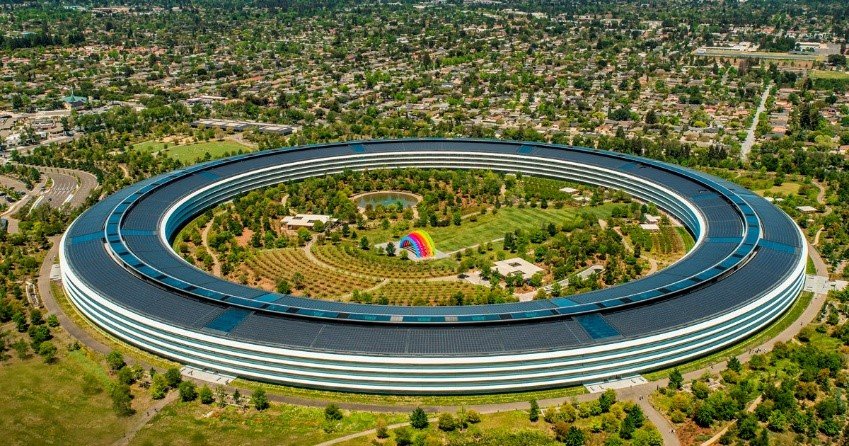
Apple Park is not a school, yet it functions as an innovation campus a learning ecosystem for 12,000+ individuals. It demonstrates how future-ready design applies seamlessly to educational environments.
6.1 Smart & Sustainable Design
Apple Park includes:
- one of the world’s largest solar roofs
- natural ventilation systems that operate for 9 months a year
- large green landscapes
- minimal energy use
This embodies the future of ecological campuses.
6.2 Flexible Interiors
The ring building includes:
- movable partitions
- modular meeting rooms
- collaboration pods
- large innovation hubs
Students in future campuses will use similar layouts.
6.3 A Tech-Integrated Ecosystem
Apple Park is wired with:
- AI-enabled automation
- smart climate systems
- advanced communication networks
Such systems are now appearing in modern universities and tech schools.
6.4 Biophilic Design
With over 7,000 trees, Apple Park reconnects people with nature.
Biophilic campuses:
- reduce stress
- improve focus
- enhance social behaviour
- promote well-being
6.5 Community and Creativity
The circular layout symbolizes unity and collaboration an ideal model for future educational institutions.
7. How Future-Ready Principles Apply to School & University Campuses
7.1 Future Tech Labs
Campuses must anticipate:
- AI research rooms
- VR/AR studios
- robotics labs
- data science hubs
7.2 Hybrid Learning Infrastructure
Spaces must support:
- synchronous online classes
- asynchronous virtual collaboration
- physical group work
7.3 Flexible Multi-Level Learning Zones
Including:
- mezzanine libraries
- learning staircases
- interaction atriums
- multi-purpose corridors
7.4 Green Social Spaces
Future-ready campuses must cultivate:
- outdoor learning courts
- shaded courtyards
- roof gardens
7.5 Student-Centric Design
Spaces should cater to:
- neurodiverse learners
- collaborative learners
- independent thinkers
8. Lessons from Norman Foster for Future-Ready Campus Design
Foster’s works teach us:
8.1 Technology Should Be Invisible
Rather than overwhelming users, technology should:
- integrate quietly
- support seamlessly
- simplify learning
8.2 Flexibility Ensures Longevity
Buildings must adapt to:
- new curricula
- emerging technologies
- changing teaching patterns
8.3 Sustainability Is Non-Negotiable
Campuses must move toward:
- net-zero design
- renewable energy
- ecological harmony
8.4 Design Should Inspire
Architecture must nurture:
- creativity
- collaboration
- curiosity
- social well-being
Foster’s philosophy aligns perfectly with global educational needs.
9. Building a Future-Ready Campus: The Blueprint
To design a future-ready campus, architects should focus on:
9.1 Smart Infrastructure
- IoT systems
- digital connectivity
- automated climate control
9.2 Adaptable Architecture
- modular rooms
- movable walls
- multi-functional furniture
9.3 Sustainable Ecosystems
- solar and wind energy
- passive cooling
- circular material usage
9.4 Human-Centric Experience
- natural light
- biophilic elements
- acoustic comfort
9.5 Learning Beyond Classrooms
- maker spaces
- outdoor labs
- innovation hubs
10. Conclusion: The Campus of Tomorrow
A future-ready campus is:
- technologically intelligent
- spatially flexible
- environmentally responsible
- deeply human in design
It empowers students to:
- think freely
- collaborate meaningfully
- innovate responsibly
- and grow sustainably
Architects like Norman Foster show us what is possible when design anticipates the future rather than reacting to it.
The campuses we build today will shape the leadership, creativity, and consciousness of tomorrow’s generations. Designing them with intention, intelligence, and vision is not just an architectural responsibility it is a responsibility to the future of humanity.