Why the Built Environment of Schools Matters More Than We Think Architecture is not just about buildings it is about shaping human experiences. Nowhere is this more evident than in schools, where young minds spend nearly one-third of their daily lives. The spaces children occupy influence how they think, feel, interact, behave, and ultimately, how …
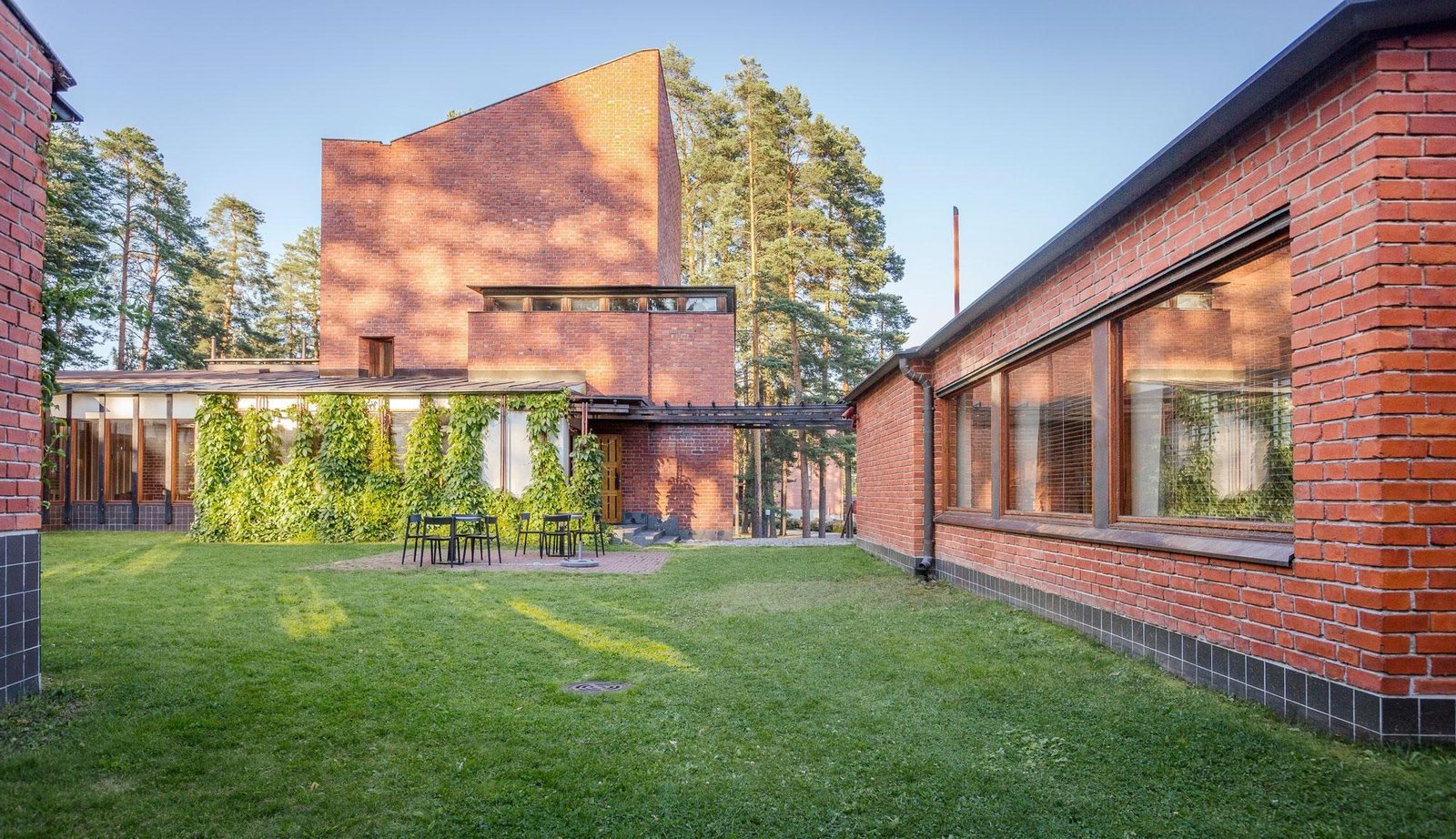
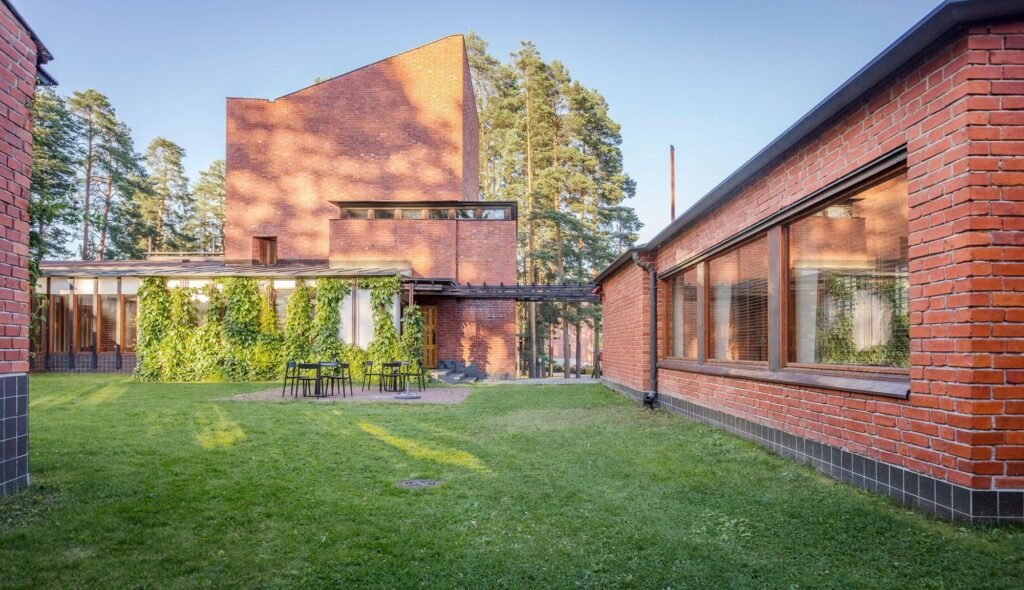
Table of Contents
- 1. The Psychological Foundation: How Space Influences the Mind
- 2. Classroom Design: The Heart of Learning
- 3. Outdoor Learning Environments: Extending the Classroom
- 4. Campus Planning: How the Whole School Influences Behaviour
- 5. Technology Integration and Behaviour
- 6. Sustainability and Student Behaviour
- 7. The Architect Who Understood Educational Spaces Best: Alvar Aalto
- 8. Other Examples from Aalto’s Approach That Apply to School Design
- 9. Bringing It All Together: Why School Architecture Must Be Intentional
- 10. Final Thoughts: Designing for the Future Learner
Why the Built Environment of Schools Matters More Than We Think
Architecture is not just about buildings it is about shaping human experiences. Nowhere is this more evident than in schools, where young minds spend nearly one-third of their daily lives. The spaces children occupy influence how they think, feel, interact, behave, and ultimately, how they learn. From the width of a corridor to the colour of a wall, from the placement of windows to the design of a child’s desk architecture silently shapes educational outcomes.
In recent decades, research from environmental psychology, pedagogy, neuroscience, and behavioural studies has increasingly confirmed what visionary architects have long believed: well-designed school environments improve focus, reduce anxiety, enhance collaboration, and positively impact both academic performance and social behaviour.
This blog explores how school architecture affects student learning and behaviour supported by real examples, including the work of Alvar Aalto, a master of human-centric educational design.
1. The Psychological Foundation: How Space Influences the Mind
Human behaviour is deeply connected to environmental cues. Schools are more than academic venues they are entire ecosystems of emotions, interactions, and experiences. Architectural elements become stimuli that shape these ecosystems.
1.1 Light and Learning
Natural light is one of the strongest predictors of academic performance. Research shows that classrooms with sufficient daylight lead to:
- Higher test scores
- Better attendance
- Reduced eye strain
- Improved mood and behaviour
Sunlit spaces regulate circadian rhythms, helping students stay alert, focused, and calm. It’s no coincidence that many modern schools prioritise large windows, skylights, and clerestory lighting.
1.2 Colour Psychology in Education
Colours affect emotions and cognitive processes:
- Blue & green enhance concentration and calmness
- Yellow boosts creativity
- Warm neutrals reduce stress
Overly stimulating colours like bright red may trigger anxiety or distraction. Catastrophic colour choices in hallways or classrooms can drastically influence behaviour either positively or negatively.
1.3 Acoustics: The Silent Academic Influencer
Children are more sensitive than adults to background noise. Poor acoustics can cause:
- Difficulty understanding speech
- Reduced memory retention
- Increased restlessness
- Behavioural issues
Modern school architecture incorporates:
- Acoustic ceiling panels
- Sound-dampening materials
- Strategic placement of noisy zones (labs, music rooms) away from learning spaces
1.4 Spatial Organization and Behaviour
The way school spaces are arranged influences:
- Social interaction
- Movement flow
- Safety
- Teacher supervision
- Student autonomy
For example, open learning commons foster collaboration, while poorly planned corridors may cause traffic congestion, conflict, or bullying.
2. Classroom Design: The Heart of Learning
Classrooms are the primary arena of behavioural development. A well-designed classroom acts as a third teacher after parents and educators.
2.1 Flexible Learning Spaces
Traditional rows of desks are being replaced by:
- Movable furniture
- Modular seating
- Group-friendly layouts
- Multi-purpose corners
These layouts support different teaching styles discussion, collaboration, independent study, and hands-on work.
Impact on Behaviour:
- Reduces monotony and restlessness
- Encourages creativity
- Accommodates diverse learners
- Improves engagement
2.2 Ergonomics and Student Comfort
Ergonomic furniture improves posture, reduces fatigue, and increases focus. Poor ergonomics can lead to:
- Back pain
- Classroom fidgeting
- Reduced attention span
Modern classrooms incorporate adjustable desks, rounded corners, bean bag seating, and more.
2.3 Visual Connectivity & Transparency
Glass partitions and open layouts:
- Improve safety through passive supervision
- Promote accountability
- Encourage calm behaviour
- Allow teachers to monitor without invading privacy
3. Outdoor Learning Environments: Extending the Classroom
Schools today integrate nature not as an afterthought, but as a teaching tool.
3.1 Green Spaces and Cognitive Restoration
Environmental psychologists emphasize attention restoration theory: natural environments help the brain reset and restore focus.
Benefits include:
- Reduced stress and anxiety
- Improved behaviour in classrooms
- Enhanced creativity and problem-solving
3.2 Playgrounds as Learning Grounds
Modern playgrounds are shifting from fixed metal structures to:
- Natural play elements (boulders, timber, sand)
- Sensory pathways
- Outdoor classrooms
- Learning gardens
These encourage imaginative play, cooperation, and emotional resilience.
3.3 Sports and Movement Zones
Active design principles ensure:
- Wide pathways
- Open courts
- Multifunctional sports fields
Physical movement directly improves executive function, discipline, and self-regulation.
4. Campus Planning: How the Whole School Influences Behaviour
A school campus is a micro-city. Its master plan affects the collective psyche.
4.1 Zoning for Behaviour
Thoughtful zoning separates:
- Noisy from quiet areas
- Primary from secondary circulation routes
- Public from private zones
This reduces chaos and enhances security.
4.2 Circulation Patterns
Smooth flow routes reduce conflict. Curved corridors and wider hallways encourage:
- Calm movement
- Reduced stress during transitions
- Safety
4.3 Social Hubs and Gathering Spaces
Courtyards, atriums, and stepped seating areas promote:
- Social bonding
- Informal learning
- A sense of community
4.4 Safety Through Design
Schools today integrate “passive safety”:
- Visibility from staff areas
- Controlled entry points
- Landscaping used as soft barriers
Safer students behave better and learn better.
5. Technology Integration and Behaviour
Technology is transforming architecture.
Smart classrooms include:
- Integrated screens
- Digital boards
- Charging stations
- Sensor-based lighting and ventilation
Architecture supports these tools by ensuring:
- Adequate wiring
- Concealed equipment
- Flexible walls
- Adaptive infrastructure
Students respond with:
- Higher engagement
- Improved collaboration
- Specialized learning experiences
6. Sustainability and Student Behaviour
Green schools not only save energy they shape environmentally conscious behaviour.
Sustainable features include:
- Solar panels
- Rainwater harvesting
- Green roofs
- Low-VOC materials
- Natural ventilation
These features:
- Inspire students to adopt eco-conscious habits
- Improve indoor air quality
- Reduce respiratory issues
- Increase overall learning performance
7. The Architect Who Understood Educational Spaces Best: Alvar Aalto
Why Alvar Aalto?
Alvar Aalto (1898–1976), the Finnish modernist master, was one of the earliest architects to emphasize human-centered design, especially in educational environments. He believed schools should nurture the soul, intellect, and emotions not merely house students.
Aalto’s works demonstrate how architecture can profoundly affect learning and behaviour.
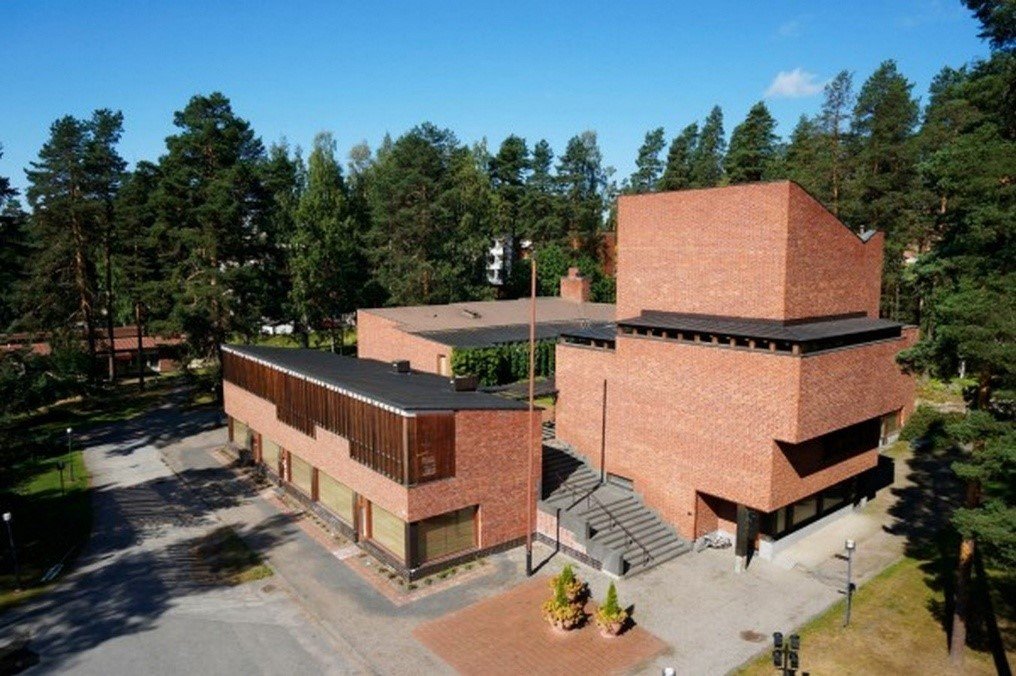
7.1 Example 1: Säynätsalo Town Hall (1952), A Learning Environment in Disguise
Although not a school, the Säynätsalo Town Hall includes a library that became one of the most influential learning spaces in architectural history.
Key Architectural Lessons for Schools:
Natural Light
Aalto used clerestory windows and carefully oriented openings to create a soft, diffused light ideal for reading and concentration.
Warm, Tactile Materials
Wooden interiors made the space feel comforting, helping users feel emotionally grounded.
Terraced Spaces
The stepped seating areas anticipated modern educational “learning stairs” used in contemporary campuses.
Impact on Learning & Behaviour:
- Calm ambience reduces stress
- Natural materials increase comfort
- Tiered spaces promote group learning
7.2 Example 2: Viipuri Library (1935), A Revolution in Educational Architecture
This is Aalto’s most iconic education-related project.
Key Design Innovations:

Skylights & Experimentation with Light
The library’s circular skylights create perfect ambient lighting for reading, one of the earliest modern applications of diffused daylight in education spaces.
Acoustic Wood Panel Ceilings
Aalto introduced wave-like ceiling panels to:
- Enhance acoustics
- Reduce echo
- Improve speech clarity
Flexible Reading Areas
Separate rooms for children, adults, and silent study reflected the idea of personalized learning zones.
Impact on Learning & Behaviour
- Better focus due to acoustic control
- Enhanced reading culture
- Age-appropriate spaces encourage discipline and autonomy
The Viipuri Library became a global reference for educational architecture, inspiring countless schools and campuses.
8. Other Examples from Aalto’s Approach That Apply to School Design
Even in projects not directly labelled as schools, Aalto’s principles inform modern educational architecture:
- Organic forms promoting calmness
- Human-scale interiors
- Connection with nature
- Soft material palettes
- Spaces designed for emotional comfort
His philosophy directly aligns with current theories in environmental psychology.
9. Bringing It All Together: Why School Architecture Must Be Intentional
A well-designed school is more than an academic space. It is:
- A behavioural guide
- A teacher in itself
- A community hub
- A safe, nurturing environment
When architecture is intentional, students:
- Behave better
- Learn faster
- Collaborate more
- Feel emotionally secure
- Develop lifelong positive habits
When architecture is neglected, schools become:
- Stress-inducing
- Distracting
- Uncomfortable
- Unsafe
- Behaviourally disruptive
10. Final Thoughts: Designing for the Future Learner
As education evolves, so must school architecture. The future calls for:
- Flexible learning zones
- Biophilic environments
- Technology-integrated spaces
- Sustainable campuses
- Inclusive, accessible designs
Architects hold the power to shape not just buildings, but the future of learning itself.
Alvar Aalto’s legacy teaches us that educational spaces should be warm, human, uplifting, and deeply considerate of how children experience the world. When we design with empathy, we design for better behaviour, better learning, and ultimately, better lives.