Gothic cathedrals, with their towering spires and intricate façades, are some of the most awe-inspiring monuments in the history of architecture. While their grandeur is evident from the outside, the true marvel lies in the ethereal play of light within. Light, in the context of Gothic architecture, is not merely a practical element; it is …
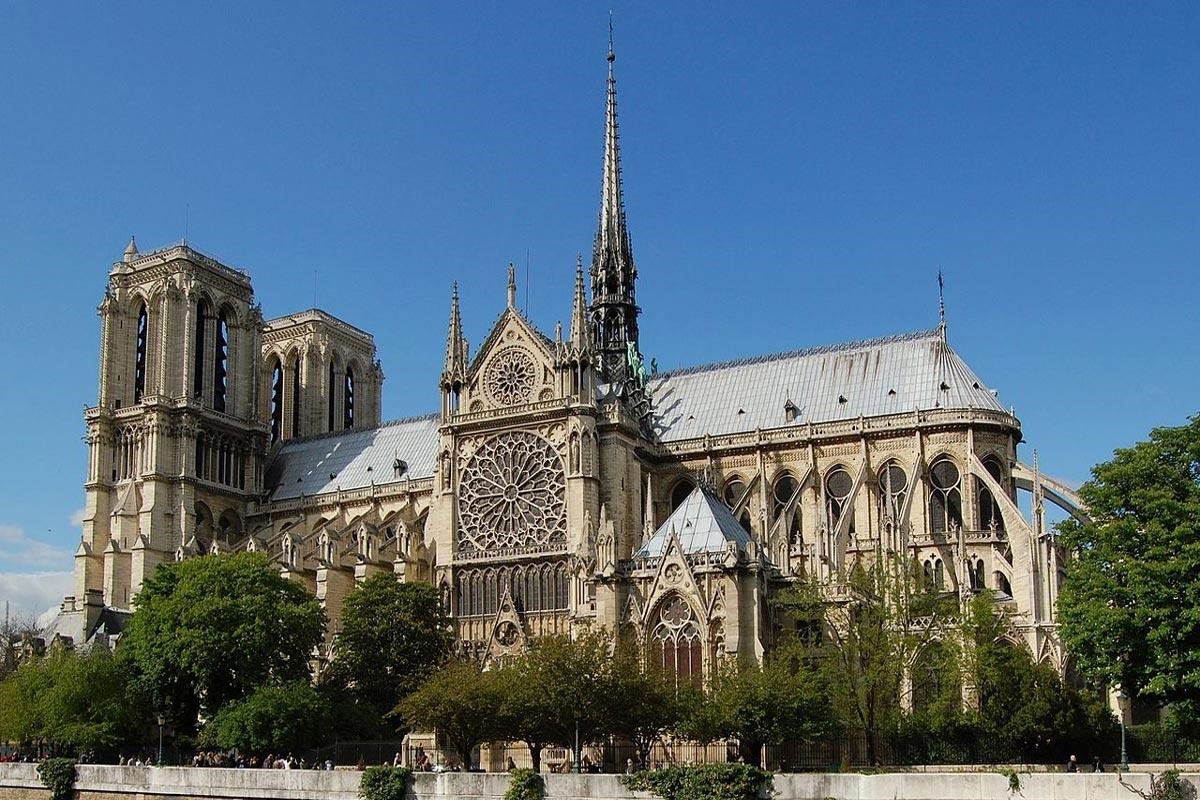
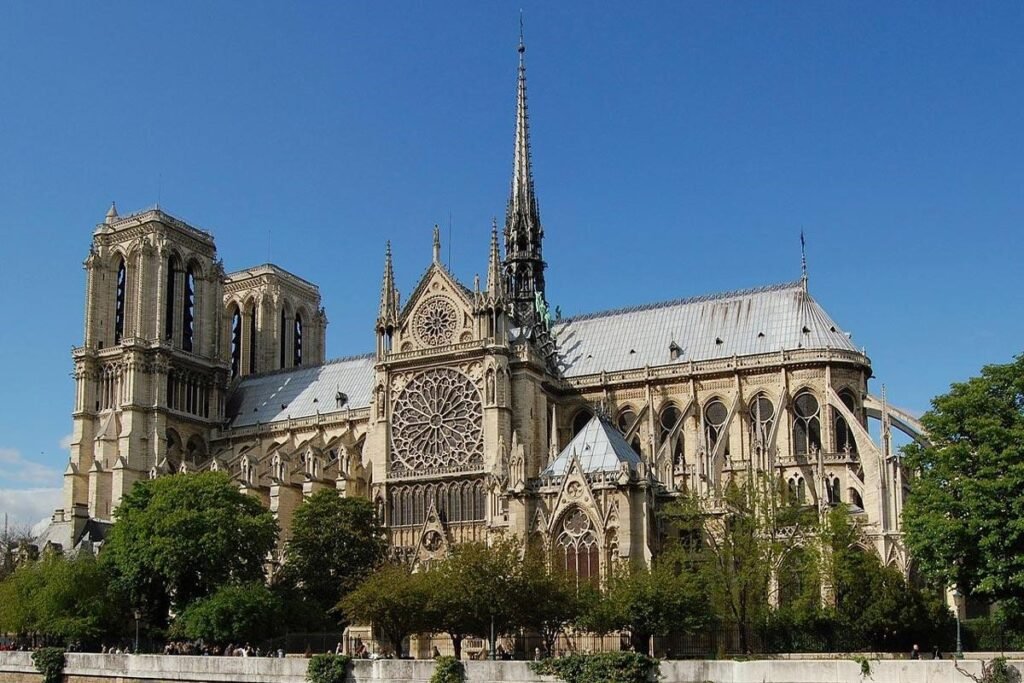
Table of Contents
- Origins of Gothic Architecture and the Role of Light
- Stained Glass: Storytelling Through Color
- Architectural Design: Directing Light and Spirit
- Symbolism and Theology of Light
- Examples of Light’s Impact on Worshippers
- Light as an Architectural and Artistic Challenge
- Modern Appreciation and Preservation
- Conclusion
Gothic cathedrals, with their towering spires and intricate façades, are some of the most awe-inspiring monuments in the history of architecture. While their grandeur is evident from the outside, the true marvel lies in the ethereal play of light within. Light, in the context of Gothic architecture, is not merely a practical element; it is a profound symbol of the divine, a medium for storytelling, and a tool to evoke spiritual transcendence. From the kaleidoscopic glow of stained glass to the soaring expanses of ribbed vaults, Gothic cathedrals transform the ordinary into the extraordinary, guiding worshippers on both a visual and spiritual journey.
Origins of Gothic Architecture and the Role of Light
Gothic architecture emerged in 12th-century France, evolving from the Romanesque style. Unlike the heavy, dark interiors of Romanesque churches, Gothic architects sought to create spaces that felt open, luminous, and upward-reaching. The key innovations that enabled this transformation were pointed arches, ribbed vaults, and flying buttresses. These structural advancements allowed walls to become thinner and punctuated by large windows, which in turn invited more light into the sacred space.
Light in Gothic cathedrals was not merely a physical phenomenon; it was theological. Medieval thinkers often equated light with God’s presence, wisdom, and purity. In the writings of Abbot Suger, who oversaw the reconstruction of the Basilica of Saint-Denis a pioneering Gothic structure light was described as a manifestation of divine energy. Suger’s vision emphasized that the church should be a “jewel of light,” where spiritual illumination mirrored the physical brightness inside the sanctuary.
Stained Glass: Storytelling Through Color
One of the most striking features of Gothic cathedrals is their stained glass windows. These colorful panes are far more than decorative elements; they are narrative devices and spiritual instruments. By casting colored light across the interior, stained glass created a sense of heavenly presence, transforming mundane stone spaces into a living tapestry of sacred stories.
Take, for example, the Chartres Cathedral in France, which houses over 150 stained glass windows dating back to the 12th and 13th centuries. Each window tells a story from the Bible, the lives of saints, or allegorical depictions of virtues and vices. The famed Blue Virgin Window, with its deep azure hues, bathes the cathedral interior in a mystical blue glow, symbolizing purity and divine wisdom. As sunlight shifts throughout the day, the windows animate the interior, creating a dynamic spiritual experience for worshippers.
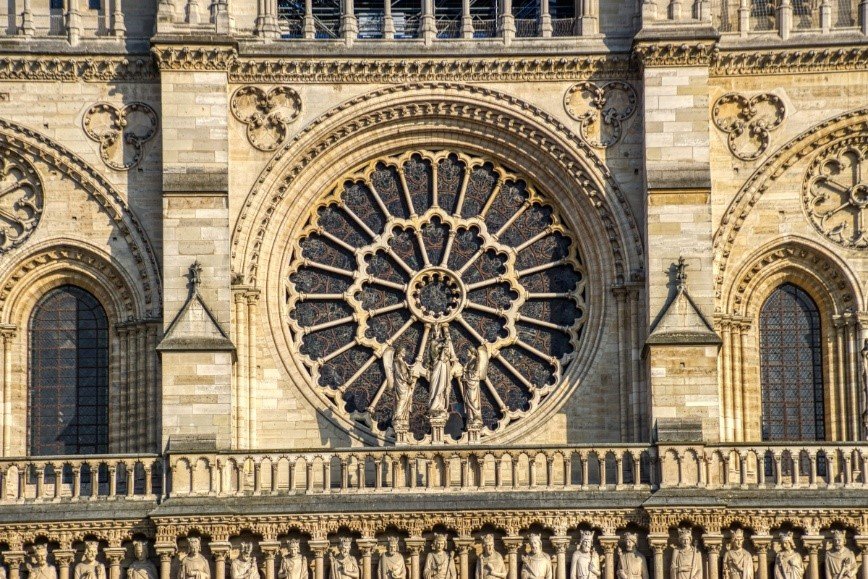
Similarly, Notre-Dame de Paris showcases rose windows that are masterpieces of both art and engineering. These circular windows not only draw the eye upward but also serve as metaphors for the perfection of the divine cosmos, with geometric patterns radiating from a central point. The interplay of colored light and intricate design envelops the viewer, making them feel both small in human terms and connected to something infinitely larger.
Architectural Design: Directing Light and Spirit
Beyond stained glass, the very architecture of Gothic cathedrals is designed to harness and manipulate light. Pointed arches, ribbed vaults, and clerestory windows work together to elevate both the structure and the human spirit. The clerestory, a high band of windows near the roofline, floods the nave with sunlight, creating vertical rays that seem to pierce the earthly realm and connect it with the heavens.
The Salisbury Cathedral in England demonstrates this beautifully. Its slender nave columns and ribbed vaults channel light downward in diffused patterns, drawing attention toward the altar. This vertical emphasis mirrors the Gothic preoccupation with reaching toward God, using light as a guide for the eyes, the mind, and the soul.

Moreover, Gothic cathedrals often feature triforiums shallow galleries above the nave arcade but below the clerestory. These spaces allow subtle reflections and layered shadows, enriching the sensory experience. The combination of shadow and illumination was intended to create an atmosphere of mystery, inviting worshippers to contemplate the divine through both light and dark.
Symbolism and Theology of Light
In the medieval mind, light was a bridge between the earthly and the divine. The term “lux nova” or “new light” was used by Abbot Suger to describe the spiritual quality of light entering the cathedral through stained glass. Lux nova represented clarity, purity, and the presence of God. The cathedral thus became a physical manifestation of theological concepts: just as light penetrates darkness, divine wisdom and grace penetrate the human soul.
Each color in stained glass carried symbolic meaning. Blue often represented the Virgin Mary, red symbolized Christ’s sacrifice, green stood for rebirth, and gold indicated divine glory. The careful orchestration of these colors was intended to teach, inspire, and elevate the faithful. In this sense, Gothic cathedrals were not only places of worship but also educational tools, visually communicating the core tenets of Christianity to a largely illiterate population.
Examples of Light’s Impact on Worshippers
The experiential impact of light in Gothic cathedrals cannot be overstated. Consider the Reims Cathedral, where the luminous interiors were designed to awe visitors with the majesty of God. Pilgrims entering the cathedral would experience a gradual unveiling: first the exterior grandeur, then the filtered, colored sunlight inside. This interplay of architecture and light created a narrative of ascent from the earthly to the divine.
Similarly, Cologne Cathedral in Germany, with its enormous stained glass windows and vast interior height, uses light to induce contemplation. Walking through its nave, visitors are enveloped in a celestial glow that changes with the time of day.
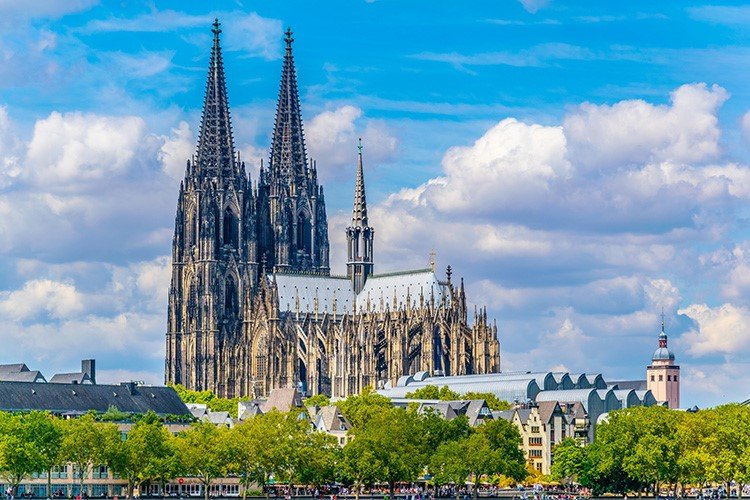
The shifting light not only enhances the beauty of the cathedral but also reinforces the idea of life as a spiritual journey, with light guiding the way.
Light as an Architectural and Artistic Challenge
Designing Gothic cathedrals was a monumental challenge, particularly when it came to controlling light. Architects had to balance structural integrity with the desire for luminous interiors. Flying buttresses allowed walls to be thinner and punctuated by large windows, supporting the weight of the roof while maximizing space for stained glass. The precise alignment of windows ensured that sunlight would illuminate important areas, such as the altar or the transept, at specific times of day or during liturgical celebrations.
Artists and craftsmen also faced technical challenges in producing stained glass. Creating vivid colors required sophisticated knowledge of minerals and glassmaking techniques. The assembly of hundreds of small pieces of colored glass into coherent designs demanded extraordinary skill. Yet the result was worth the effort: a living, glowing canvas that brought scripture, saints, and divine symbolism to life.
Modern Appreciation and Preservation
Today, Gothic cathedrals continue to captivate visitors with their mastery of light. Scholars, architects, and tourists marvel at how medieval builders achieved such effects without modern technology. Restoration efforts aim to preserve these luminous interiors, recognizing that the interplay of light and stone is as crucial to the cathedral’s identity as its structural form.
Modern architects also draw inspiration from Gothic principles. Contemporary religious and public buildings often use light to create atmosphere, guide movement, or evoke emotional responses. The Gothic understanding that light is not just functional but profoundly spiritual remains influential, bridging centuries of architectural innovation.
Conclusion
The symbolism of light in Gothic cathedrals is a testament to the ingenuity and vision of medieval architects, artisans, and theologians. Through stained glass, soaring vaults, and masterful spatial design, these sacred spaces transformed light into a medium of divine communication. Every ray of sunlight filtered through colored glass, every shadow cast by ribbed arches, was carefully orchestrated to inspire awe, educate the faithful, and elevate the human spirit.
Gothic cathedrals stand as enduring monuments to the power of light, reminding us that architecture is not merely about shelter but about experience, perception, and transcendence. In these hallowed spaces, light becomes a bridge between heaven and earth, a visual hymn that continues to illuminate minds and hearts centuries after their construction.