Blog

Home·No breadcrumbs

Archives

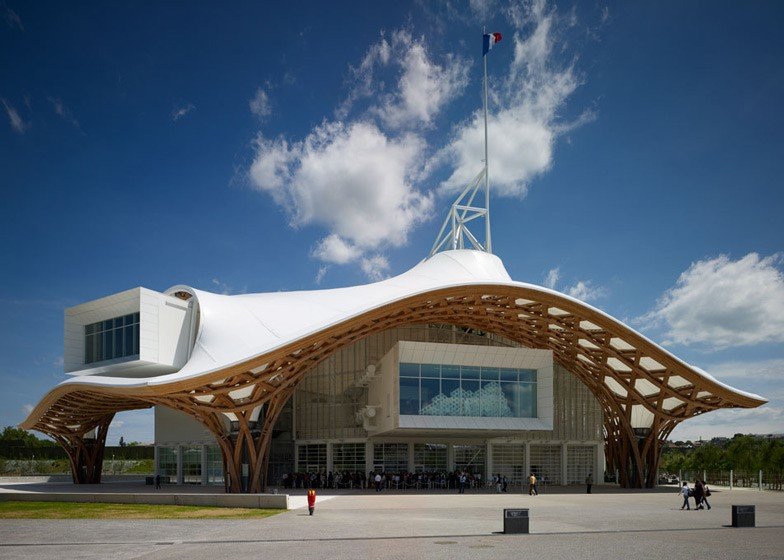
Shigeru Ban’s architectural philosophy has long been celebrated for its humanitarian focus, material experimentation, and pioneering work with sustainable, low-cost building systems. While Ban is often associated with paper tubes, recycled materials, and emergency shelters, an equally important yet less frequently discussed aspect of his practice is his use of computational thinking. Although he is …

Eladio Dieste stands as one of the most extraordinary yet understated innovators in the global history of architecture, a Latin American engineer whose work predated digital computation but whose ideas resonate profoundly with modern parametricism. His buildings, shaped primarily from thin-shell brick, demonstrate a deep understanding of material behavior, structural efficiency, and geometric logic. Long …

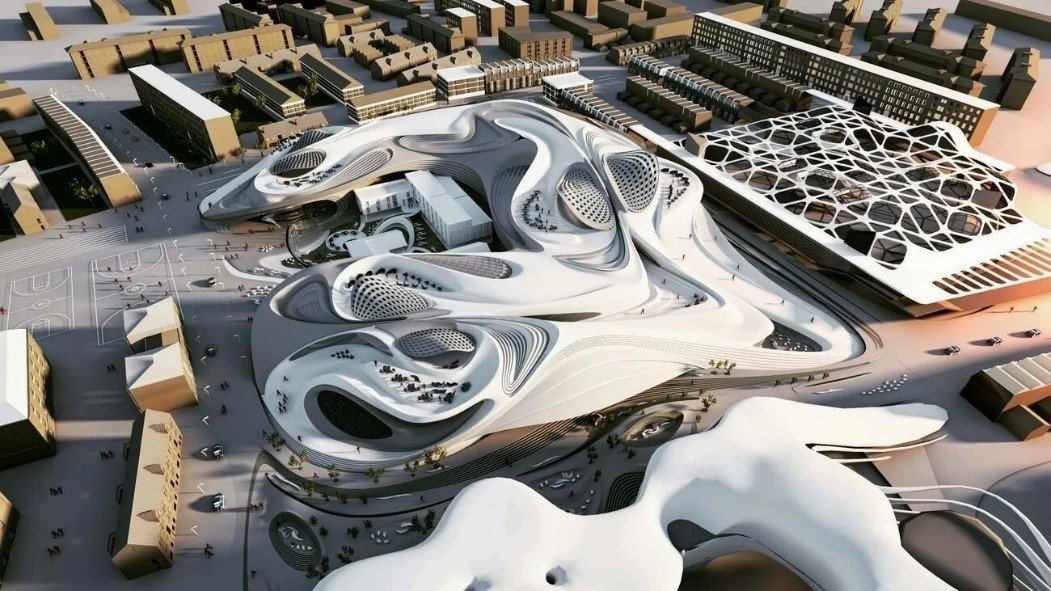
The evolution of organic parametric design within the global projects of Zaha Hadid Architects represents one of the most transformative movements in contemporary architecture, merging digital experimentation with an expressive vision of spatial fluidity. Long before parametric design became a mainstream methodology, Zaha Hadid and her studio were already exploring the conceptual foundations of non-linear …

When we think of educational excellence, our minds usually go straight to great teachers, modern curriculum, innovative pedagogy, and technology-driven classrooms. But there is an equally powerful, often underestimated factor that shapes how students learn, interact, collaborate, and grow: the psychology of space. The way a campus is planned its pathways, courtyards, classroom clusters, green …

Designing for Diversity, Equity & Universal Learning Education is meant to be universal accessible to every individual regardless of physical ability, cognitive differences, social background, culture, gender identity, or learning style. But the truth is, many traditional educational spaces were not designed with inclusivity at their core. Long corridors, rigid classrooms, inaccessible entrances, overstimulating environments, …

The world of education is transforming at a speed never seen before. From AI-integrated learning to collaborative work cultures, from climate-responsible architecture to immersive tech-driven classrooms today’s campuses must adapt to a future that is dynamic, digital, global, and deeply interconnected. A “future-ready campus” is more than a collection of classrooms and buildings. It is …

Why the Built Environment of Schools Matters More Than We Think Architecture is not just about buildings it is about shaping human experiences. Nowhere is this more evident than in schools, where young minds spend nearly one-third of their daily lives. The spaces children occupy influence how they think, feel, interact, behave, and ultimately, how …

Green infrastructure is not a gardening trend with good PR it’s the city’s future air-conditioning, sponge, and lungs all rolled into one. As extreme weather becomes a recurring event rather than a headline, designers must stop treating landscape as leftover space. Instead, living roofs, bioswales, permeable paving, urban forests and rain gardens should be central …

From material choices to energy systems what it actually takes to design buildings that give back as much as they take Introduction As the world faces the twin urgency of climate change and resource constraints, the concept of net-zero and carbon-neutral buildings has moved from idealistic vision to practical imperative. Architects, engineers and developers are …

Passive cooling and climate-responsive architecture feel a bit like old herbal remedies suddenly trending on the wellness feeds: simple, time-tested, and suddenly indispensable. As the built environment faces rising temperatures, energy constraints, and a desire for healthier interiors, architects and designers are revisiting foundational strategies that let buildings breathe, shade, and soothe themselves without always …